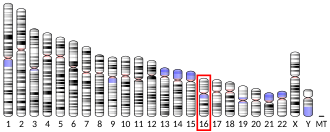
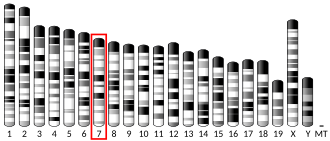
The sodium/glucose cotransporter 2 (SGLT2) is a protein, which facilitates glucose transport and is regulated by sodium ions. In humans it is encoded by the SLC5A2 solute carrier family 5 (sodium/glucose cotransporter) gene, located in chromosome 16, specifically in the band 16p11.2.5
Function
SGLT2 is a member of the sodium glucose cotransporter family, which are sodium-dependent glucose transport proteins. SGLT2 is the major cotransporter involved in glucose reabsorption in the kidney.6 SGLT2 is located in the early proximal tubule, and is responsible for reabsorption of 80–90% of the glucose filtered by the kidney glomerulus.7 Most of the remaining glucose absorption is by sodium/glucose cotransporter 1 (SGLT1) in more distal sections of the proximal tubule.8
SGLT2 inhibitors for diabetes
SGLT2 inhibitors are also called gliflozins or flozins. They lead to a reduction in blood glucose levels, and therefore have potential use in the treatment of type 2 diabetes. Gliflozins enhance glycemic control as well as reduce body weight and systolic and diastolic blood pressure.9 The gliflozins canagliflozin, dapagliflozin, and empagliflozin may lead to euglycemic ketoacidosis.1011 Other side effects of gliflozins include increased risk of Fournier gangrene12 and of (generally mild) genital infections such as candidal vulvovaginitis.13
Clinical significance
Mutations in this gene are also associated with renal glycosuria.14
Sodium-glucose cotransporter-2 (SGLT2) inhibitors were associated with significant long-term reductions in mortality risk for patients with pulmonary arterial hypertension (PAH), according to an observational cohort study.15 The study revealed that after one year, 8.1% of PAH patients prescribed SGLT2 inhibitors had died, compared to 15.5% of those who did not take the medication.
See also
See also
References
References
- GRCh38: Ensembl release 89: ENSG00000140675 – Ensembl, May 2017
- GRCm38: Ensembl release 89: ENSMUSG00000030781 – Ensembl, May 2017
- "Human PubMed Reference:". National Center for Biotechnology Information, U.S. National Library of Medicine.
- "Mouse PubMed Reference:". National Center for Biotechnology Information, U.S. National Library of Medicine.
- Wells RG, Mohandas TK, Hediger MA (September 1993). "Localization of the Na+/glucose cotransporter gene SGLT2 to human chromosome 16 close to the centromere". Genomics. 17 (3): 787–789. doi:10.1006/geno.1993.1411. PMID 8244402.
- "Entrez Gene: solute carrier family 5 (sodium/glucose cotransporter)".
- Bonora BM, Avogaro A, Fadini GP (2020). "Extraglycemic Effects of SGLT2 Inhibitors: A Review of the Evidence". Diabetes, Metabolic Syndrome and Obesity: Targets and Therapy. 13: 161–174. doi:10.2147/DMSO.S233538. PMC 6982447. PMID 32021362.
- Vallon V, Thomson SC (2012). "Renal function in diabetic disease models: the tubular system in the pathophysiology of the diabetic kidney". Annual Review of Physiology. 74: 351–375. doi:10.1146/annurev-physiol-020911-153333. PMC 3807782. PMID 22335797.
- Haas B, Eckstein N, Pfeifer V, Mayer P, Hass MD (November 2014). "Efficacy, safety and regulatory status of SGLT2 inhibitors: focus on canagliflozin". Nutrition & Diabetes. 4 (11): e143. doi:10.1038/nutd.2014.40. PMC 4259905. PMID 25365416.
- Rawla P, Vellipuram AR, Bandaru SS, Pradeep Raj J (2017). "Euglycemic diabetic ketoacidosis: a diagnostic and therapeutic dilemma". Endocrinology, Diabetes & Metabolism Case Reports. 2017. doi:10.1530/EDM-17-0081. PMC 5592704. PMID 28924481.
- "FDA Drug Safety Communication: FDA warns that SGLT2 inhibitors for diabetes may result in a serious condition of too much acid in the blood". Food and Drug Administration, USA. 2015-05-15. Archived from the original on May 17, 2015.
- "SGLT2 Inhibitors Associated with Fournier Gangrene". Jwatch.org. Retrieved 2019-05-06.
- "SGLT2 Inhibitors (Gliflozins)". Diabetes.co.uk. Retrieved 2015-05-19.
- Calado J, Loeffler J, Sakallioglu O, Gok F, Lhotta K, Barata J, et al. (March 2006). "Familial renal glucosuria: SLC5A2 mutation analysis and evidence of salt-wasting". Kidney International. 69 (5): 852–855. doi:10.1038/sj.ki.5000194. PMID 16518345.
- Lemonjava I, Gudushauri N, Tskhakaia I, Manzano JM, Azmaiparashvili (2024). "Impact of Sglt2 Inhibitors on Mortality in Pulmonary Arterial Hypertension: Exploring the Association". Chest. 166 (4): A5793. doi:10.1016/j.chest.2024.06.3435.
Further reading
Further reading
- van den Heuvel LP, Assink K, Willemsen M, Monnens L (December 2002). "Autosomal recessive renal glucosuria attributable to a mutation in the sodium glucose cotransporter (SGLT2)". Human Genetics. 111 (6): 544–547. doi:10.1007/s00439-002-0820-5. PMID 12436245. S2CID 28089635.
- Santer R, Kinner M, Lassen CL, Schneppenheim R, Eggert P, Bald M, et al. (November 2003). "Molecular analysis of the SGLT2 gene in patients with renal glucosuria". Journal of the American Society of Nephrology. 14 (11): 2873–2882. doi:10.1097/01.asn.0000092790.89332.d2. PMID 14569097.
- Wells RG, Pajor AM, Kanai Y, Turk E, Wright EM, Hediger MA (September 1992). "Cloning of a human kidney cDNA with similarity to the sodium-glucose cotransporter". The American Journal of Physiology. 263 (3 Pt 2): F459–F465. doi:10.1152/ajprenal.1992.263.3.F459. PMID 1415574.
- Calado J, Sznajer Y, Metzger D, Rita A, Hogan MC, Kattamis A, et al. (December 2008). "Twenty-one additional cases of familial renal glucosuria: absence of genetic heterogeneity, high prevalence of private mutations and further evidence of volume depletion". Nephrology, Dialysis, Transplantation. 23 (12): 3874–3879. doi:10.1093/ndt/gfn386. PMID 18622023.
- Calado J, Soto K, Clemente C, Correia P, Rueff J (February 2004). "Novel compound heterozygous mutations in SLC5A2 are responsible for autosomal recessive renal glucosuria". Human Genetics. 114 (3): 314–316. doi:10.1007/s00439-003-1054-x. PMID 14614622. S2CID 23741937.
- Magen D, Sprecher E, Zelikovic I, Skorecki K (January 2005). "A novel missense mutation in SLC5A2 encoding SGLT2 underlies autosomal-recessive renal glucosuria and aminoaciduria". Kidney International. 67 (1): 34–41. doi:10.1111/j.1523-1755.2005.00053.x. PMID 15610225.
- Castaneda F, Burse A, Boland W, Kinne RK (May 2007). "Thioglycosides as inhibitors of hSGLT1 and hSGLT2: potential therapeutic agents for the control of hyperglycemia in diabetes". International Journal of Medical Sciences. 4 (3): 131–139. doi:10.7150/ijms.4.131. PMC 1868657. PMID 17505558.