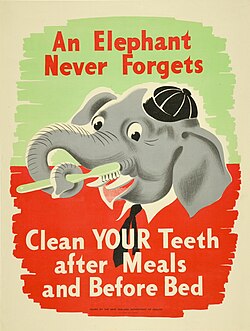
Teeth cleaning is part of oral hygiene and involves the removal of dental plaque, calculus(tartar), and extrinsic stains from tooth surfaces to maintain oral hygiene and prevent oral disease1
People routinely clean their own teeth by brushing and interdental cleaning, and dental hygienists can remove hardened deposits (tartar) not removed by routine cleaning. Those with dentures and natural teeth may supplement their cleaning with a denture cleaner.
Home care teeth cleaning refers to the daily oral hygiene habits practised by patients. It can be performed by tooth brushing and interdental cleaning, to disrupt the maturation of dental plaque to calculus (tartar).
Professional tooth cleaning refers to treatment that is conducted by dental professionals like the dental hygienist, therapist, and dentist. Processes like scaling and prophylaxis aim to remove plaque, calculus, and stain that cannot be removed through routine home care.2
History
The history of teeth cleaning spans several millennia, reflecting the gradual development of mechanical and chemical methods to maintain oral hygiene and prevent dental disease [1].3 Early civilizations recognized dental problems, with Sumerian texts from around 5000 BC attributing tooth decay to the mythical “tooth worm,” a belief that influenced early approaches to dental care for centuries.45 Evidence of specialized dental practitioners dates to ancient Egypt, where inscriptions from approximately 2600 BC identify Hesy-Re as a physician concerned with diseases of the teeth. Archaeological findings from Mesoamerica indicate that the Maya practiced advanced dental procedures, including mechanical tooth modification and the placement of decorative jade inlays using mineral-based materials.67
Early mechanical cleaning methods primarily involved chew sticks, with examples recovered from Babylonia (c. 3500 BC) and ancient Egyptian sites (c. 3000 BC) [5]. Among these, chew sticks derived from Salvadora persica, commonly known as miswak, were widely used across the Middle East, Africa, and parts of Asia due to their mechanical cleansing properties and natural antimicrobial compounds. Historical sources describe the continued use of miswak alongside other natural implements as a routine method of oral hygiene prior to the widespread adoption of manufactured toothbrushes.8
In East Asia, historical records describe the development of the first bristle toothbrushes in China during the 15th century, made from animal hair attached to bone or bamboo handles; this design later spread to Europe.9 The professionalisation of dental care accelerated in the 18th century with the publication of Le Chirurgien Dentiste (1723) by Pierre Fauchard, which established dentistry as a scientific discipline.10 The mass production of toothbrushes began in England in the late 18th century, contributing to wider public adoption of oral hygiene practicesᘝ. During the 20th century, innovations such as nylon bristles, electric toothbrushes, and the formal establishment of the dental hygiene profession supported a shift from extraction-based treatment toward preventive oral care.11
Purpose and benefits
Purpose
The primary objective of professional teeth cleaning, clinically referred to as professional mechanical plaque removal (PMPR), is the selective removal of plaque biofilm and calculus (tartar) from tooth surfaces. While supragingival plaque can be controlled by daily oral hygiene, calculus and subgingival plaque require professional instrumentation for removal. The procedure serves both preventive and therapeutic purposes: it aims to disrupt the bacterial biofilm that initiates gingival inflammation and to facilitate the clinical examination of hard and soft tissues by removing deposits that may obscure vision.12
Gingival Health
Systematic reviews indicate that professional mechanical plaque removal, when combined with oral hygiene instructions (OHI), results in a statistically significant reduction in gingival bleeding and inflammation compared to no treatment. However, the stand-alone benefit of routine "scale and polish" procedures without accompanying oral hygiene education is considered limited for adults without periodontitis.1213
Periodontal Disease Prevention
For patients with a history of chronic periodontitis, regular supportive periodontal therapy (SPT)—which includes cleaning and root planing—is critical for preventing further attachment loss and tooth loss. In healthy adults, a Cochrane review (2018) found insufficient evidence to determine if routine cleaning at fixed intervals (e.g., every six months) reduces the risk of developing periodontitis compared to less frequent intervals, suggesting that recall schedules should be risk-based rather than standardized.14
Systemic Health Outcomes
Research supports a link between periodontal therapy and systemic health, particularly regarding metabolic control. Meta-analyses have shown that non-surgical periodontal therapy can lead to a reduction in glycated hemoglobin (HbA1c) levels in patients with type 2 diabetes, with clinical effects comparable to adding a second pharmacological agent. Additionally, reductions in systemic inflammatory markers, such as C-reactive protein (CRP), have been observed following intensive periodontal cleaning.15
Halitosis Management
Professional cleaning combined with tongue cleaning has been shown to reduce the levels of volatile sulfur compounds (VSC) in the oral cavity, which are the primary agents responsible for oral malodor (halitosis).16
Methods of Teeth Cleaning
At-home Oral Hygiene Practices
Toothbrushing is the primary method for removing supragingival plaque. Dental professionals generally recommend brushing at least twice daily using a fluoride-containing toothpaste for approximately two minutes to maximise plaque removal and reduce caries risk. Regular toothbrushing with fluoride toothpaste has been shown to reduce the incidence of both dental caries and periodontal disease 17
The preventive effect of toothbrushing on dental caries is largely attributed to the fluoride content of toothpaste, rather than brushing alone. Fluoride acts to prevent, control, and arrest caries by enhancing enamel remineralisation and inhibiting demineralisation. Toothpastes with higher fluoride concentrations have been associated with greater caries control, particularly in individuals at increased caries risk.17
Besides, the control of gingival and periodontal disease is primarily dependent on the mechanical disruption and removal of dental plaque during brushing. Effective plaque removal reduces gingival inflammation and its sequelae, including bleeding and periodontal tissue destruction. Some toothpastes also contain additional agents that may contribute to reductions in plaque accumulation, gingivitis, and gingival bleeding.17
Interdental cleaning methods, such as dental floss and interdental brushes, are used to remove plaque and food debris from interproximal tooth surfaces (between 2 teeth) that are inaccessible to toothbrush bristles. Daily interdental cleaning is recommended to be carried out before toothbrushing, to allow subsequent brushing to distribute fluoride and further disrupt biofilm. Evidence suggests that interdental brushes may be more effective than dental floss in reducing plaque levels and gingival inflammation in certain populations, particularly where interdental spaces are sufficiently wide to accommodate the brush.1713
Professional Cleaning
Scaling and polishing, also referred to as Professional Mechanical Plaque Removal (PMPR), is a preventive dental procedure performed by a licensed dentist or dental hygienist to remove dental plaque, calculus, debris, and extrinsic stains from tooth surfaces. The procedure involves scaling, which is the mechanical removal of hardened plaque (calculus) from supragingival (above gums) and subgingival (below gums) tooth surfaces using hand instruments or ultrasonic devices, followed by polishing, which smooths the enamel surfaces to reduce plaque retention and remove superficial staining.18
PMPR may be classified into:
- Supragingival PMPR, which involves the removal of accessible plaque biofilm and calculus from the crown of the tooth and is typically performed as part of initial periodontal therapy.
- Subgingival PMPR, also known as subgingival instrumentation, which targets plaque biofilm, endotoxin, and calculus on root surfaces below the gingival margin and is generally carried out in subsequent stages of periodontal treatment.
Manual instruments (e.g., sickle scalers) or ultrasonic devices can be used to perform PMPR. Ultrasonic scaling has been reported to require shorter treatment duration, be less operator-dependent, and cause less soft tissue trauma compared with hand instrumentation. In individuals with extensive calculus accumulation exceeding the scope of routine prophylaxis, full-mouth debridement may be indicated as an initial therapeutic approach.18
Chemical Aids
Chemical aids are adjunctive agents used to complement mechanical plaque removal in the maintenance of oral hygiene and the prevention of dental disease. They are commonly delivered in the form of fluorides and mouthrinses and are intended to support, rather than replace, toothbrushing and interdental cleaning.19
Fluorides
Fluorides are widely distributed in nature and are present in foods such as tea, fish, and beer, as well as in some natural water supplies. The association between fluoride exposure and reduced dental caries prevalence was first documented in the early twentieth century following observations of populations consuming fluoridated public water supplies.20
Fluoride may be administered through several delivery methods, including:
- Water fluoridation, which provides continuous low-level fluoride exposure at the population level .
- Milk fluoridation, used in some community-based preventive programmes as an alternative vehicle for fluoride delivery .
- Fluoride toothpaste, which represents the most common form of topical fluoride use in daily oral hygiene.
- Fluoride varnish, a professionally applied topical fluoride used to enhance enamel resistance to demineralisation, particularly in children and individuals at increased caries risk.
When applying fluoride varnish, care should be taken to ensure that only a small quantity is used, especially in young children. Following application, patients are advised to avoid eating, drinking, or rinsing for approximately 30 minutes, and to consume only soft foods for several hours to optimise fluoride uptake.19
Fluoride exerts its cariostatic effect by promoting enamel remineralisation, inhibiting demineralisation, and reducing acid production by cariogenic bacteria. Strong clinical evidence supports the effectiveness of fluoride in reducing dental caries in both children and adults when used appropriately .
Mouthrinses (Mouthwashes)
Therapeutic mouthrinses may reduce dental plaque biofilm and gingival inflammation when used as an adjunct to regular toothbrushing and interdental cleaning. These agents are particularly useful in individuals with compromised plaque control or increased susceptibility to gingival disease.20
Mouthrinses containing chlorhexidine have demonstrated effectiveness in reducing plaque accumulation and gingivitis over short periods of use. However, prolonged use may be associated with adverse effects such as extrinsic tooth staining and altered taste sensation.
Other antimicrobial mouthrinses, including those containing essential oils or cetylpyridinium chloride, as well as fluoride-containing rinses, may contribute to plaque reduction and caries prevention when used adjunctively to daily oral hygiene practices. The degree of effectiveness varies depending on the formulation and concentration of the active agents.
Tools and Materials Used
Toothbrushes
Manual vs. Powered Toothbrushes
Research comparing the effectiveness of manual and powered (electric) toothbrushes has shown that powered toothbrushes, particularly those with a rotation-oscillation action, are generally more effective at removing plaque and reducing gingivitis. A 2014 Cochrane systematic review found that powered toothbrushes reduced plaque by 11% and gingivitis by 6% over a one-to-three-month period compared to manual brushing. After three months, the reduction in plaque increased to 21% and gingivitis to 11%. However, the clinical significance of these differences for long-term periodontal health remains a subject of discussion, and manual toothbrushes are considered effective if used with proper technique and duration.21
Bristle Stiffness and Safety
Toothbrushes are available with varying bristle stiffness, typically categorized as soft, medium, or hard. Systematic reviews suggest that while medium and hard bristles may remove slightly more plaque, they are also associated with a higher incidence of gingival abrasion and soft tissue trauma compared to soft bristles. Consequently, dental associations generally recommend soft-bristled brushes to minimize the risk of gingival recession and abrasion of the tooth structure, particularly in the cervical (neck) region of the tooth.2223
Contamination and Disinfection
Toothbrushes can become contaminated with microorganisms from the oral cavity, environment, and hands. Studies have identified bacteria such as Staphylococcus, E. coli, and Pseudomonas on used toothbrushes. While the clinical risk of re-infection or disease transmission via a toothbrush is considered low for healthy individuals, various disinfection methods—such as soaking in chlorhexidine, essential oil mouthrinses, or using UV sanitizers—can significantly reduce bacterial load compared to rinsing with tap water alone.2425
Replacement Intervals
Dental professionals and associations typically recommend replacing toothbrushes every 3 to 4 months, or sooner if the bristles become frayed or splayed. Worn bristles are less effective at removing plaque than new ones. Furthermore, splayed bristles may cause more gingival irritation.26
Dental Floss and Interdental Cleaners
Interdental cleaning to remove food debris from between teeth is extremely important in preventing interdental caries and periodontal disease. As such, it is important for individuals to clean between interdental spaces daily, using either dental floss or interdental brushes. Interdental brushes can be used for a period of 7–10 days whereas floss is single use.27
Patients with no visible gaps between teeth should clean in between the teeth once daily at night using a string of floss. Dental floss is typically made from nylon filaments or plastic monofilaments such as polytetrafluoroethylene (PTFE) and is available in waxed, unwaxed, and flavored forms.27 Waxed floss is slightly thicker due to its wax coating, and therefore glides more easily between teeth, making it suitable for beginners and patients with moderately tight contacts. An advantage of waxed floss is that it is less likely to break or shred compared with unwaxed floss because the wax helps hold the fibers together. On the other hand, unwaxed floss is often thinner and more flexible, making it a better choice for patients with very tight contacts between teeth.
With traditional floss, a length of 18 inches is ideal to wrap each end around your middle fingers. Using your thumbs and forefingers, guide the floss between two teeth. Wrap the floss around one tooth in a C shape and clean it using up and down strokes. Next, wrap the floss around the other tooth and repeat. Floss is meant for single use and should be disposed of after. Patients with limited manual dexterity may find it easier to use floss picks; a small, handheld dental tool with a pre-strung piece of floss on a plastic handle, designed for easily reaching between teeth. These floss picks are also single use and should be disposed of after use.
On the other hand, patients with larger gaps between teeth are more likely to get food debris trapped in the gap and should instead opt for interdental brushes. Using these brushes as an adjunct to toothbrushing removes more dental plaque than brushing alone28 and are also especially useful in patients with braces, or dental prosthesis including bridges and implants. Interdental brushes are thin small brushes with a bristled head that comes in various sizes to fit in the gaps between your teeth. They are colour coded based on size, allowing for easier identification. Each interdental brush can be used for a period of 7–10 days, or until the bristles are frayed, before it needs to be replaced.
Other interdental cleaner options include wooden or rubber picks, and water flossers. Water flossers use pulsating streams of water to disrupt plaque and flush debris from between teeth and along the gumline.29
Toothpaste and Dentifrices
Toothpaste, also referred to as a dentifrice, is a paste or gel used with a toothbrush to enhance the removal of dental plaque and maintain oral health. They contain numerous ingredients, both active and inactive, that contribute to cleaning and therapeutic effectiveness. Common components include abrasive agents like calcium carbonate and silica that act as gentle scrubbers in removing plaque and food particles from teeth,30 sodium fluoride involved in strengthening enamel and allowing remineralisation to reverse early caries, and flavourings such as mint, making teeth brushing a more pleasant experience.
Toothbrushing using fluoride toothpaste remains the principal non‐professional intervention to prevent caries today, with different fluoride concentrations and toothpaste amounts being recommended based on age groups. Children under the age of 3 years old should use a rice-grain amount (approximately 100ppm of fluoride). Children between ages 3–6 years old are recommended to use a pea sized amount (approximately 250ppm of fluoride).31 Children above the age of 6, and adults can use standard over-the-counter fluoride toothpaste (usually 1000–1500 ppm fluoride). The amount of toothpaste used is about the length of the bristles on a toothbrush.
Procedure in Clinical Settings
Ultrasonic Scaling
Ultrasonic scaling is a non-surgical periodontal procedure used to remove plaque, calculus, and stains from tooth surfaces and periodontal pockets. Ultrasonic scalers operate at high frequencies to disrupt and dislodge deposits through mechanical vibration, cavitation, and acoustic microstreaming. Continuous water irrigation is used to cool the instrument tip and flush debris from the treated area.
Ultrasonic instrumentation is commonly employed during routine dental prophylaxis and periodontal therapy due to its efficiency in removing both supragingival and subgingival calculus. It is particularly useful in areas with heavy calculus deposits, deep periodontal pockets, and furcation involvements. Ultrasonic scaling may be used alone or in combination with hand instruments to achieve optimal root surface debridement.
Hand Scaling
Hand scaling instruments are manual periodontal instruments used for the removal of plaque, calculus, and altered cementum from tooth surfaces during periodontal therapy. These instruments allow precise tactile control and are particularly effective for subgingival instrumentation and root surface debridement.
Sickle Scalers
Sickle scalers are hand instruments primarily used for the removal of supragingival calculus. They are characterized by a triangular cross-section, a flat face, two cutting edges, and a sharply pointed tip. This design provides strength and effectiveness in removing heavy deposits located above the gingival margin.
Due to their pointed tip and blade design, sickle scalers have limited application in subgingival areas, as improper use may result in gingival trauma. Smaller, curved sickle scalers with thinner blades may be used cautiously to remove shallow subgingival calculus. Sickle scalers are activated using a pull stroke and are commonly selected based on tooth location and surface anatomy.
Curettes
Curettes are the instruments of choice for subgingival scaling, root instrumentation (root planing), and removal of inflamed soft tissue lining the periodontal pocket (curettage). Unlike sickle scalers, curettes have a rounded toe and a semicircular cross-section, which allows safe adaptation to root surfaces with minimal soft tissue trauma.
Curettes are finer than sickle scalers and are designed to provide access to deep periodontal pockets and complex root anatomy. Each working end has one or two cutting edges, depending on the type of curette.
Universal Curettes
Universal curettes are designed for use throughout the dentition. The blade face of a universal curette is positioned at a 90-degree angle to the lower shank, and both cutting edges may be used. Adaptation to different tooth surfaces is achieved by altering the clinician’s hand position, fulcrum, and instrument angulation. These instruments are commonly used for both supragingival and subgingival scaling.
Area-Specific Curettes (Gracey Curettes)
Gracey curettes are area-specific instruments designed to adapt to particular tooth surfaces and anatomical regions. They feature an offset blade, typically angled at approximately 70 degrees to the lower shank, allowing precise adaptation to root surfaces when the shank is held parallel to the long axis of the tooth.
Each Gracey curette is intended for specific areas of the dentition, such as anterior teeth, posterior facial and lingual surfaces, or posterior mesial and distal surfaces. Only one cutting edge of a Gracey curette is used during instrumentation. Their design provides superior access and adaptation in deep periodontal pockets and furcation areas
Polishing and Fluoride Application
Tooth polishing is a preventive dental procedure performed to remove extrinsic stains, dental plaque, and soft deposits from tooth surfaces after scaling. It is commonly carried out as part of routine dental prophylaxis and periodontal maintenance. Polishing improves surface smoothness, which may reduce plaque retention and enhance patient comfort and aesthetics.
Polishing is typically performed using a rubber cup or bristle brush with an abrasive polishing paste. Polishing agents vary in abrasiveness depending on particle size and composition, and selection is based on the patient’s stain level and enamel condition. Tooth polishing is not indicated for all patients and may be contraindicated in cases such as demineralised enamel, exposed dentine, newly erupted teeth, or patients with respiratory conditions sensitive to aerosols.
Fluoride application is a preventive dental procedure used to enhance enamel resistance to demineralisation and to reduce the risk of dental caries. Fluoride promotes remineralisation of enamel and inhibits bacterial metabolism within dental plaque.
Professionally applied topical fluoride is commonly administered in the form of varnish, gel, or foam. Fluoride varnish is widely used due to its ease of application, prolonged contact time with tooth surfaces, and reduced risk of ingestion. Fluoride gels and foams are usually applied using trays and require patient cooperation during application.
Professional fluoride application is particularly beneficial for individuals at increased risk of dental caries, including children, patients with xerostomia, orthodontic appliances, or a history of recurrent caries. The frequency and type of fluoride application depend on the patient’s caries risk assessment and clinical needs.
Risks and Contraindications
While professional dental cleaning (prophylaxis) is generally safe, specific procedures carry risks or contraindications depending on the patient's medical history and the condition of the oral tissues.
Ultrasonic Scaling
Ultrasonic scalers use high-frequency vibrations to fracture calculus deposits. However, their mechanism of action creates specific contraindications.
- Aerosol Production: Ultrasonic scaling generates a significant amount of aerosol spray, which can transmit airborne pathogens. This is a primary concern for patients with active respiratory infections (such as tuberculosis or COVID-19) or those who are immunocompromised. In these cases, manual scaling is often preferred to reduce disease transmission risk.32
- Cardiac Pacemakers: Older unshielded cardiac pacemakers can be susceptible to electromagnetic interference generated by magnetostrictive ultrasonic devices. While modern shielded pacemakers are generally resistant, clinicians often avoid magnetostrictive scalers or opt for piezoelectric scalers (which do not generate a magnetic field) for patients with cardiac implantable electronic devices (CIEDs) 33
- Dental Implants: Standard metal ultrasonic tips can scratch the titanium surface of dental implants, creating a rough surface that facilitates bacterial accumulation (peri-implantitis). Specialized plastic or carbon-composite tips must be used for cleaning implants.34
- Demineralized Enamel: The high-frequency vibration can fracture fragile, demineralized enamel (early cavities), causing cavitation in areas that might otherwise have been remineralized.
Hand Scaling
Manual removal of calculus using curettes and scalers is the alternative to ultrasonic methods, though it carries its own set of risks if technique is improper.
- Root Surface Sensitivity: Aggressive hand scaling can remove the cementum (the outer layer of the tooth root), exposing the dentinal tubules. This often leads to dentin hypersensitivity, causing sharp pain in response to cold or sweet stimuli.35
- Soft Tissue Trauma: Inadvertent slippage of sharp instruments can cause lacerations to the gingiva or interdental papilla.
Polishing
Rubber cup polishing is used to remove extrinsic stains and plaque. Current dental standards advocate for "selective polishing"—polishing only stained teeth—rather than routine full-mouth polishing, due to the following risks:
- Enamel Removal: Repeated polishing with coarse abrasive pastes can remove the outermost fluoride-rich layer of enamel. Over time, this may leave teeth more susceptible to decay or sensitivity.36
- Restorations: Standard prophylaxis paste is abrasive and can scratch the surface of restorative materials such as composite resins, gold crowns, or porcelain veneers, causing them to lose their luster and retain plaque more easily. Special non-abrasive pastes (such as aluminum oxide) are required for these materials.
- Heat Generation: Friction from the rubber cup can generate heat. If applied with too much pressure or for too long, this heat can be transferred to the dental pulp, potentially causing pulpitis (inflammation of the nerve).37
Fluoride Application
While topical fluoride is the standard of care for caries prevention, contraindications exist based on formulation and dosage.
- Allergy (Colophony): Fluoride varnish typically contains colophony (rosin), a sticking agent derived from pine trees. It is contraindicated in patients with a known history of severe allergic reactions to rosin or pine nuts, in which case a fluoride gel or foam without colophony should be used.
- Fluorosis: In young children who have not yet developed their swallowing reflex, there is a risk of swallowing concentrated fluoride agents. Ingestion of high doses during tooth development can contribute to dental fluorosis (discoloration of the permanent teeth).
Recommendations and Guidelines Teeth Cleaning in Different Populations
Children
Oral hygiene recommendations for children focus on early prevention, caregiver involvement, and age-appropriate use of fluoride, with guidance adapted according to caries risk.
Professional Care and Recall
Paediatric dental organisations, including the American Academy of Pediatric Dentistry (AAPD), advocate professional prophylaxis (removal of plaque and debris) during dental visits for children, not only for cleaning but also to provide oral hygiene instruction to caregivers and children. Recall intervals are individualised based on caries risk, with recommended review periods ranging from 3 to 12 months depending on oral health status and disease susceptibility.38
Home Oral Hygiene by Age Group
Children up to 3 years
Toothbrushing should begin as soon as the first primary tooth erupts. Parents or carers are advised to brush their child’s teeth:
- Twice daily
- Using a small, soft toothbrush
- With a smear of toothpaste containing at least 1,000 ppm fluoride
- While minimising the child’s consumption of sugar-containing foods and drinks 17
In this age group, toothbrushing should be performed by an adult, as children lack the manual dexterity required for effective plaque removal.17
Children aged 3–6 years
As children grow up, parents or carers should assist and supervise brushing, allowing the child to participate while ensuring adequate plaque removal. Recommendations include:
- Use of a pea-sized amount of fluoride toothpaste
- Spitting out after brushing rather than rinsing, to maintain fluoride concentration on tooth surfaces
- Continued twice-daily brushing, with one episode before bedtime 17
Professional application of fluoride varnish (2.26% sodium fluoride) is recommended twice yearly, particularly for children at increased caries risk [2].
Children and adolescents aged 7–18 years
Children in this age group should brush twice daily using toothpaste containing 1,350–1,500 ppm fluoride, with continued parental oversight where needed to ensure effective plaque control 17
Fluoride Exposure and Community Measures
Children may receive fluoride from multiple sources, including fluoridated water, milk, and foods or drinks such as juice or salt. Community-based preventive strategies may include:
- Supervised toothbrushing programmes, particularly in schools and nurseries
- Provision of free toothbrushes and fluoride toothpaste
- Community fluoride varnish programmes, which may be delivered by trained members of the dental team
- Public health measures to reduce sugar intake, including promotion of healthier food choices, taxation of high-sugar products, and reformulation of foods to reduce free sugar content 39
Elderly
Oral hygiene and professional dental care are critical components of overall health for elderly individuals. Age-related changes such as reduced saliva production and flow, dry mouth (xerostomia) due to certain medications, periodontal disease, and tooth loss, all contribute to an increased risk of caries, gum disease, and infections in aging populations. As such, maintaining proper oral health in the elderly population through daily self care and regular dental check-ups is extremely important.
Older adults are recommended to brush twice daily for two minutes each using fluoridated toothpaste to strengthen enamel and prevent caries.40 A soft-bristled toothbrush is preferred as it is more gentle and less abrasive on the gums and enamel surface. Toothbrush heads also come in different sizes, but a small toothbrush head is ideal since it allows for easier navigation and access to all areas of the oral cavity. Manual and electric toothbrushes are both suitable for use in the elderly population when used correctly. Manual toothbrushes remain widely used and are effective in plaque removal when proper brushing technique is used. They are generally cheaper and easily available, making them a good choice for older adults with sufficient hand strength and coordination. On the other hand, electric toothbrushes are a better choice for individuals with reduced mobility, cognitive impairment, or limited grip strength. Studies have shown that electrical toothbrushes provide a statistically significant benefit compared with manual toothbrushes with regard to the reduction of plaque,21 especially in populations with compromised brushing ability. The automated brushing motion may help compensate for inadequate brushing technique and improve consistency in plaque removal.
Interdental cleaning should also be done once daily using either floss or interdental brushes. However, flossing may be challenging for some older people with limited manual dexterity, and they may choose to opt for floss picks or water flossers instead. Those with visible gaps between teeth should use interdental brushes, replacing them every 7–10 days.
Elderly individuals wearing removable dental appliances such as dentures need to remove them overnight, giving the oral tissues time to rest and reducing the risk of fungal infections such as denture-associated stomatitis. Dentures should also be cleaned daily using a denture brush and mild cleanser to remove plaque and food debris. Soaking dentures in a cleaning solution can help reduce the bacterial load which may reduce denture-related odor.41
Patients with Special Needs
Patients with special health care needs include individuals with physical, intellectual, developmental, sensory, or medical conditions that may limit their ability to maintain adequate oral hygiene or access dental care independently. This population has a higher risk of dental caries, periodontal disease, and oral infections due to factors such as impaired motor or cognitive function, reliance on caregivers, medication-induced xerostomia, and modified diets. Preventive oral care is therefore a key component of maintaining overall health in these individuals.42
Guidelines recommend that dental care for patients with special needs be individualised according to caries risk, oral hygiene ability, and underlying medical conditions. Professional teeth cleaning, including regular plaque and calculus removal, is important in reducing disease progression, and recall intervals may need to be shorter for patients with increased susceptibility to oral disease. Dental teams may also need to adapt treatment approaches to ensure safe and effective care, particularly for patients with limited cooperation or complex medical needs.43
Daily oral hygiene often requires active caregiver involvement. Twice-daily toothbrushing with fluoridated toothpaste remains the cornerstone of plaque control, with adaptations such as electric toothbrushes, modified handles, or assisted brushing techniques used to accommodate physical or cognitive limitations. Interdental cleaning should be encouraged where feasible using appropriate aids, while prioritising patient safety. Additional preventive measures, including professionally applied fluoride varnish, dietary counselling, and management of dry mouth, are recommended for patients at high risk of dental caries.44
Cultural and Global Practices
While the use of toothbrushes and toothpaste is the standard in many industrialized regions, a significant portion of the global population relies on traditional methods for oral hygiene. These practices are often rooted in cultural norms, religious beliefs, or the availability of local natural resources.
Chewing Sticks
The use of chewing sticks is one of the most widespread traditional oral hygiene measures. These are typically cut from the roots, stems, or twigs of specific plants and chewed at one end until they fray into a brush-like texture.
Africa and the Middle East (Miswak): In the Muslim world, the use of the Salvadora persica tree (commonly known as miswak) is highly prevalent. It holds religious significance in Islam, as its use was emphasized by the prophet Muhammad in the Hadith. Research suggests that Salvadora persica contains natural antimicrobials and fluorides that may be effective in reducing plaque and gingivitis.45
South Asia (Neem): In India and parts of Southeast Asia, twigs from the neem tree (Azadirachta indica) are traditionally used. Known locally as datun, neem sticks are valued in Ayurvedic medicine for their anti-inflammatory and antibacterial properties.46
The Americas (Gouania): In Jamaica and parts of Central and South America, the Gouania lupuloides vine (commonly known as "chewstick") is harvested for dental cleaning. Unlike other chewing sticks, G. lupuloides contains saponins, which create a natural foaming lather when chewed, mimicking the effect of toothpaste.47
Rinse and Abrasive Traditions (East Asia)
Historical and contemporary practices in East Asia emphasize the use of dietary byproducts and rinsing solutions for oral maintenance.
Tea Rinsing: Dating back to the Song Dynasty, rinsing the mouth with tea after meals is a recorded practice intended to dissolve fats and freshen breath. Modern analysis indicates that green tea contains catechins, which may inhibit acid production by cariogenic bacteria like Streptococcus mutans.48
Willow Twigs: Prior to the invention of the bristle toothbrush, willow branches were soaked in water and chewed to clean teeth. This practice is the origin of the Chinese idiom "chew wood at dawn" (晨嚼齿木).49
Salt: The use of salt for oral hygiene is historically documented in Chinese medical texts, such as those by the Tang Dynasty physician Sun Simiao, who advocated rinsing with salt water and teeth percussion (kouchi) to strengthen the gums.49
Abrasives and Substances
In rural areas of South Asia and Africa, various abrasive substances are historically used in place of toothpaste.
Charcoal
Powdered charcoal or wood ash is sometimes rubbed onto teeth using a finger or a cloth. While this can remove extrinsic stains, dental professionals often caution that the high abrasivity can damage enamel and lead to gingival recession.50
Oil Pulling
Originating from ancient Ayurvedic medicine, oil pulling (known as Gandusha) involves swishing oil (traditionally sesame or coconut) in the mouth for 15–20 minutes. Proponents claim it draws out toxins, though a 2016 review noted that clinical evidence regarding its efficacy remains limited compared to mechanical prophylaxis.51
References
References
- Sanz, Mariano; Bäumer, Amelie; Buduneli, Nurcan; Dommisch, Henrik; Farina, Roberto; Kononen, Eija; Linden, Gerard; Meyle, Joerg; Preshaw, Philip M.; Quirynen, Marc; Roldan, Silvia; Sanchez, Nerea; Sculean, Anton; Slot, Dagmar Else; Trombelli, Leonardo (April 2015). "Effect of professional mechanical plaque removal on secondary prevention of periodontitis and the complications of gingival and periodontal preventive measures: Consensus report of group 4 of the 11 th European Workshop on Periodontology on effective prevention of periodontal and peri-implant diseases". Journal of Clinical Periodontology. 42 (S16): S214-20. doi:10.1111/jcpe.12367. ISSN 0303-6979. PMID 25626357.
- Newman, M. G., Takei, H., Klokkevold, P. R., & Carranza, F. A. (2018). Newman and Carranza's Clinical Periodontology E-Book: Newman and Carranza's Clinical Periodontology E-Book. Elsevier Health Sciences
- Ring, Me (2002). "History of Dentistry: an overview". Dental Clinics of North America. 46 (1): 1–8.
- Gordon, E. (June 2009). "Dental access centres". British Dental Journal. 206 (11): 563. doi:10.1038/sj.bdj.2009.483. ISSN 1476-5373. PMID 19521362.
- Gerabek, W. E. (March 1999). "The tooth-worm: historical aspects of a popular medical belief". Clinical Oral Investigations. 3 (1): 1–6. doi:10.1007/s007840050070. ISSN 1432-6981. PMID 10522185.
- Forshaw, R. J. (2009-04-25). "Dental health and disease in ancient Egypt". British Dental Journal. 206 (8): 421–424. doi:10.1038/sj.bdj.2009.309. ISSN 1476-5373. PMID 19396207.
- Tiesler, Vera (2026-03-01). "Dental Modifications in Ancient Mesoamerica and Beyond". Journal of Archaeological Research. 34 (1): 13–61. doi:10.1007/s10814-025-09207-y. ISSN 1573-7756.
- Fischman, S. L. (October 1997). "The history of oral hygiene products: how far have we come in 6000 years?". Periodontology 2000. 15: 7–14. doi:10.1111/j.1600-0757.1997.tb00099.x. ISSN 0906-6713. PMID 9643227.
- Xu, Y.; MacEntee, M. I. (July 1994). "The roots of dentistry in ancient China". Journal (Canadian Dental Association). 60 (7): 613–616. ISSN 0709-8936. PMID 8062165.
- Aksoy, Umut; Aksoy, Seçil; Kırmızı, Dilan; Orhan, Kaan (September 2024). "Pierre Fauchard (1678-1761): Pioneering Dental Surgeon of the Enlightenment Age". Cureus. 16 (9): e69563. doi:10.7759/cureus.69563. ISSN 2168-8184. PMC 11484655. PMID 39421106.
{{cite journal}}: CS1 maint: article number as page number (link) - Dean, H. Trendley (1947-02-01). "Fluorine and dental caries". American Journal of Orthodontics and Oral Surgery. 33 (2): B49–B67. doi:10.1016/S0096-6347(47)90040-9. ISSN 0096-6347. PMID 20285086.
- Needleman, Ian; Nibali, Luigi; Di Iorio, Anna (April 2015). "Professional mechanical plaque removal for prevention of periodontal diseases in adults--systematic review update". Journal of Clinical Periodontology. 42 Suppl 16: S12–35. doi:10.1111/jcpe.12341. ISSN 1600-051X. PMID 25495962.
- Lamont, Thomas; Worthington, Helen V.; Clarkson, Janet E.; Beirne, Paul V. (2018-12-27). "Routine scale and polish for periodontal health in adults". The Cochrane Database of Systematic Reviews. 12 (12): CD004625. doi:10.1002/14651858.CD004625.pub5. ISSN 1469-493X. PMC 6516960. PMID 30590875.
{{cite journal}}: CS1 maint: article number as page number (link) - Manresa, Carolina; Sanz-Miralles, Elena C.; Twigg, Joshua; Bravo, Manuel (2018-01-01). "Supportive periodontal therapy (SPT) for maintaining the dentition in adults treated for periodontitis". The Cochrane Database of Systematic Reviews. 1 (1): CD009376. doi:10.1002/14651858.CD009376.pub2. ISSN 1469-493X. PMC 6491071. PMID 29291254.
{{cite journal}}: CS1 maint: article number as page number (link) - Mariano, Lorena Souza Santos; Nakamura-Silva, Rafael; Macedo, Luciana Martins Domingues de; Oliveira-Silva, Mariana de; Goulart, Rafael da Silva; Pelisson, Marsileni; Vespero, Eliana Carolina; Silva-Sousa, Yara Teresinha Correa; Pitondo-Silva, André (2024). "Identification and antimicrobial susceptibility profile of bacteria isolated from primary endodontic infections". Brazilian Oral Research. 38 e024. doi:10.1590/1807-3107bor-2024.vol38.0024. ISSN 1806-8324. PMC 11376636. PMID 38597544.
- Deutscher, Hcd; Derman, Shm; Barbe, A. G.; Seemann, R.; Noack, M. J. (February 2018). "The effect of professional tooth cleaning or non-surgical periodontal therapy on oral halitosis in patients with periodontal diseases. A systematic review". International Journal of Dental Hygiene. 16 (1): 36–47. doi:10.1111/idh.12306. ISSN 1601-5037. PMID 28836329.
- "Delivering better oral health: an evidence-based toolkit for prevention". GOV.UK. 2025-09-10. Retrieved 2026-06-01.
- "PMPR | Prevention and Treatment of Periodontal Diseases in Primary Care". www.periodontalcare.sdcep.org.uk. Retrieved 2026-06-01.
- Yeh, Chin-Hsuan; Wang, Yung-Li; Vo, Thi Thuy Tien; Lee, Yi-Ching; Lee, I-Ta (2025-09-08). "Fluoride in Dental Caries Prevention and Treatment: Mechanisms, Clinical Evidence, and Public Health Perspectives". Healthcare. 13 (17): 2246. doi:10.3390/healthcare13172246. ISSN 2227-9032. PMC 12427920. PMID 40941599.
- Gallione, Chiara; Bassi, Erika; Cattaneo, Arianna; Busca, Erica; Basso, Ines; Dal Molin, Alberto (March 2025). "Oral Health Care: A Systematic Review of Clinical Practice Guidelines". Nursing & Health Sciences. 27 (1): e70027. doi:10.1111/nhs.70027. ISSN 1442-2018. PMC 11707404. PMID 39776243.
{{cite journal}}: CS1 maint: article number as page number (link) - Yaacob, Munirah; Worthington, Helen V.; Deacon, Scott A.; Deery, Chris; Walmsley, A. Damien; Robinson, Peter G.; Glenny, Anne-Marie (2014-06-17). "Powered versus manual toothbrushing for oral health". The Cochrane Database of Systematic Reviews. 2014 (6): CD002281. doi:10.1002/14651858.CD002281.pub3. ISSN 1469-493X. PMC 7133541. PMID 24934383.
{{cite journal}}: CS1 maint: article number as page number (link) - Zimmer, Stefan; Öztürk, Metin; Barthel, Claudia R.; Bizhang, Mozhgan; Jordan, Rainer A. (February 2011). "Cleaning efficacy and soft tissue trauma after use of manual toothbrushes with different bristle stiffness". Journal of Periodontology. 82 (2): 267–271. doi:10.1902/jop.2010.100328. ISSN 1943-3670. PMID 20722532.
- Van der Weijden, Fridus A.; Slot, Dagmar E. (April 2015). "Efficacy of homecare regimens for mechanical plaque removal in managing gingivitis a meta review". Journal of Clinical Periodontology. 42 Suppl 16: S77–91. doi:10.1111/jcpe.12359. ISSN 1600-051X. PMID 25597787.
- Frazelle, Michelle R.; Munro, Cindy L. (2012). "Toothbrush Contamination: A Review of the Literature". Nursing Research and Practice. 2012: 1–6. doi:10.1155/2012/420630. ISSN 2090-1429. PMC 3270454. PMID 22315679.
- Nelson Filho, P.; Macari, S.; Faria, G.; Assed, S.; Ito, I. Y. (2000). "Microbial contamination of toothbrushes and their decontamination". Pediatric Dentistry. 22 (5): 381–384. ISSN 0164-1263. PMID 11048305.
- Slot, D. E.; Wiggelinkhuizen, L.; Rosema, N. a. M.; Van der Weijden, G. A. (August 2012). "The efficacy of manual toothbrushes following a brushing exercise: a systematic review". International Journal of Dental Hygiene. 10 (3): 187–197. doi:10.1111/j.1601-5037.2012.00557.x. ISSN 1601-5037. PMID 22672101.
- "Dental Floss / Interdental Cleaners". www.ada.org. Retrieved 2026-06-01.
- Rasines, Graciela (October 2009). "The use of interdental brushes along with toothbrushing removes most plaque". Evidence-Based Dentistry. 10 (3): 74. doi:10.1038/sj.ebd.6400666. ISSN 1476-5446. PMID 19820738.
- Husseini, A.; Slot, D. E.; Van der Weijden, G. A. (November 2008). "The efficacy of oral irrigation in addition to a toothbrush on plaque and the clinical parameters of periodontal inflammation: a systematic review". International Journal of Dental Hygiene. 6 (4): 304–314. doi:10.1111/j.1601-5037.2008.00343.x. ISSN 1601-5037. PMID 19138181.
- "Ingredients of toothpaste". SA Dental. Retrieved 2026-06-01.
- Clark, Melinda B.; Keels, Martha Ann; Slayton, Rebecca L.; SECTION ON ORAL HEALTH (December 2020). "Fluoride Use in Caries Prevention in the Primary Care Setting". Pediatrics. 146 (6): e2020034637. doi:10.1542/peds.2020-034637. ISSN 1098-4275. PMID 33257404.
- Harrel, Stephen K.; Molinari, John (April 2004). "Aerosols and splatter in dentistry: a brief review of the literature and infection control implications". Journal of the American Dental Association (1939). 135 (4): 429–437. doi:10.14219/jada.archive.2004.0207. ISSN 0002-8177. PMC 7093851. PMID 15127864.
- Maiorana, Carlo; Grossi, Giovanni B.; Garramone, Rocco A.; Manfredini, Ruggero; Santoro, Franco (November 2013). "Do ultrasonic dental scalers interfere with implantable cardioverter defibrillators? An in vivo investigation". Journal of Dentistry. 41 (11): 955–959. doi:10.1016/j.jdent.2013.08.006. ISSN 1879-176X. PMID 23948395.
- Louropoulou, Anna; Slot, Dagmar E.; Van der Weijden, Fridus (October 2014). "The effects of mechanical instruments on contaminated titanium dental implant surfaces: a systematic review". Clinical Oral Implants Research. 25 (10): 1149–1160. doi:10.1111/clr.12224. ISSN 1600-0501. PMID 23834327.
- Drisko, Connie L. (June 2014). "Periodontal debridement: still the treatment of choice". The Journal of Evidence-Based Dental Practice. 14 Suppl: 33–41.e1. doi:10.1016/j.jebdp.2014.02.007. ISSN 1532-3390. PMID 24929587.
- Graumann, Sarah J.; Sensat, Michelle L.; Stoltenberg, Jill L. (August 2013). "Air polishing: a review of current literature". Journal of Dental Hygiene: JDH. 87 (4): 173–180. ISSN 1553-0205. PMID 23986410.
- Christensen, R. P.; Bangerter, V. W. (1987-02-01). "Immediate and long-term in vivo effects of polishing on enamel and dentin". The Journal of Prosthetic Dentistry. 57 (2): 150–160. doi:10.1016/0022-3913(87)90138-7. ISSN 0022-3913. PMID 3470508.
- "Policy on the role of dental prophylaxis in pediatric dentistry" (PDF). 2022.
- Albadri, S (2021). Paediatric Dentistry for the General Dental Practitioner. Springer. ISBN 978-3-030-66371-1.
- "Oral health in older adults: oral health for an ageing population" (PDF). 2019.
- "Dentures". www.ada.org. Retrieved 2026-06-01.
- "Overview". www.aapd.org. Retrieved 2026-06-01.
- Dougall, A.; Fiske, J. (2008-08-09). "Access to special care dentistry, part 4. Education". British Dental Journal. 205 (3): 119–130. doi:10.1038/sj.bdj.2008.652. ISSN 1476-5373. PMID 18690184.
- Waldman, H. B.; Perlman, S. P. (2000). "Providing general dentistry for people with disabilities: a demographic review". General Dentistry. 48 (5): 566–569, quiz 570–571. ISSN 0363-6771. PMID 11199637.
- al-Otaibi, Meshari (2004). "The miswak (chewing stick) and oral health. Studies on oral hygiene practices of urban Saudi Arabians". Swedish Dental Journal. Supplement (167): 2–75. ISSN 0348-6672. PMID 15224592.
- Tanguturi, Sri Chandana; Gunupati, Sumanth; Nagarakanti, Sreenivas (2020-01-30), Chauhan, Durgesh Nandini; Singh, Prabhu Raj; Shah, Kamal; Chauhan, Nagendra Singh (eds.), "Azadirachta indica (Neem): An Ancient Indian Boon to the Contemporary World of Dentistry", Natural Oral Care in Dental Therapy (1 ed.), Wiley, pp. 313–328, doi:10.1002/9781119618973.ch20, ISBN 978-1-119-61422-7, retrieved 2026-06-01
{{citation}}: CS1 maint: work parameter with ISBN (link) - Kennelly, E. J.; Lewis, W. H.; Winter, R. E.; Johnson, S.; Elvin-Lewis, M.; Gossling, J. (March 1993). "Triterpenoid saponins from Gouania lupuloides". Journal of Natural Products. 56 (3): 402–410. Bibcode:1993JNAtP..56..402K. doi:10.1021/np50093a013. ISSN 0163-3864. PMID 8482948.
- Li, Yizhen; Cheng, Lei; Li, Mingyun (2024-07-29). "Effects of Green Tea Extract Epigallocatechin-3-Gallate on Oral Diseases: A Narrative Review". Pathogens (Basel, Switzerland). 13 (8): 634. doi:10.3390/pathogens13080634. ISSN 2076-0817. PMC 11357325. PMID 39204235.
- Winder, Marianne (July 1988). "Paul U. Unschuld, Medicine in China. A history of pharmaceutics.Berkeley, Los Angeles and London, University of California Press, 1986, 4to, pp. xiii, 366, illus., £40.50". Medical History. 32 (3): 345. doi:10.1017/S0025727300048377. ISSN 2048-8343.
- Petersen, Poul E.; Ogawa, Hiroshi (October 2012). "The global burden of periodontal disease: towards integration with chronic disease prevention and control". Periodontology 2000. 60 (1): 15–39. doi:10.1111/j.1600-0757.2011.00425.x. ISSN 1600-0757. PMID 22909104.
- Shanbhag, Vagish Kumar L. (January 2017). "Oil pulling for maintaining oral hygiene - A review". Journal of Traditional and Complementary Medicine. 7 (1): 106–109. doi:10.1016/j.jtcme.2016.05.004. ISSN 2225-4110. PMC 5198813. PMID 28053895.