| Dementia | |
|---|---|
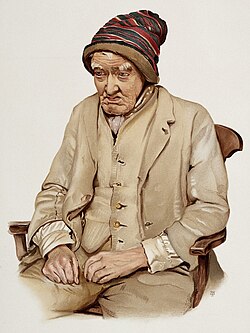 | |
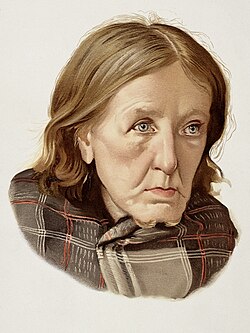
| 1896 lithograph of a man with dementia | |
| Specialty | Geriatrics Neurology, Psychiatry, Neuropsychiatry |
| Symptoms | Decreased ability to think and remember, emotional problems, problems with language, decreased motivation, general decline in cognitive abilities1 |
| Complications | Malnutrition, pneumonia, inability to perform self-care tasks, personal safety challenges, fractures from falls.2 |
| Usual onset | Varies, usually gradual1 |
| Duration | Varies, usually long term1 |
| Causes | Neurodegeneration, vascular disease, stroke, traumatic brain injuries1 |
| Risk factors | Several across the life course (e.g. less education, hearing loss, vision loss, physical inactivity, obesity, high cholesterol, hypertension, diabetes, smoking, excessive alcohol consumption, social isolation, air pollution, traumatic brain injury, depression)3 |
| Diagnostic method | Clinical assessment, cognitive testing (mini–mental state examination),4 and imaging |
| Differential diagnosis | Delirium, depression, hypothyroidism5 |
| Prevention | Addressing risk factors throughout the life course, e.g. preventing, reducing or treating hearing and vision loss, depression, head injury and vascular risk factors (e.g. cholesterol, diabetes), decreasing smoking, and maintaining physical activity and cognitive stimulation3 |
| Treatment | Varies but supportive care is given1 |
| Medication | Varies depending on the type and stage, most medications have a small benefit6 |
| Prognosis | Varies, dementia is a life limiting condition and life expectancy is usually shortened |
| Frequency | 57 million (2021)1 |
| Deaths | 1.62 million dementia-related deaths (2019) estimated to increase to 4.91 million by 20507 |
Dementia is a syndrome, often associated with neurodegenerative diseases such as Alzheimer's, and characterized by a general decline in cognitive processes that affects the ability to perform everyday activities.8 This typically involves problems with memory, thinking, behavior, and motor control.1 Aside from memory impairment and a disruption in thought patterns, the most common symptoms of dementia include emotional problems, difficulties with language, and decreased motivation.1 The symptoms may be described as occurring in a continuum over several stages.9 Dementia is an incurable, progressive neurocognitive disorder, with varying degrees of severity (mild to major) and many forms or subtypes.1011 The condition has a significant effect on the individual, their caregivers, and their social relationships in general.1 Dementia is not the same as age-related decline in cognition and memory, with no change in intelligence.12
The most common form of dementia is Alzheimer's. Dementia can be caused by brain injuries and stroke.1 It has also been described as a spectrum of disorders with subtypes of dementia based on which known disorder caused its development, such as Parkinson's disease for Parkinson's disease dementia, Huntington's disease for Huntington's disease dementia, vascular disease for vascular dementia, HIV infection causing HIV dementia, frontotemporal lobar degeneration for frontotemporal dementia, Lewy body disease for dementia with Lewy bodies, and prion diseases.13 Subtypes of neurodegenerative dementias may also be based on the underlying pathology of misfolded proteins, such as synucleinopathies and tauopathies.13 The coexistence of more than one type of dementia is known as mixed dementia.14
Diagnosis is usually based on history of the illness and cognitive testing with imaging. Imaging can help to determine the dementia subtype, and to exclude other causes. Blood tests are usually taken to rule out other possible reversible causes such as hypothyroidism (an underactive thyroid).12 Fluid biomarkers detected in cerebrospinal fluid, and in blood can identify Alzheimer's disease.15 PET scans can detect amyloid beta and tau, the two intrinsically disordered proteins that are the hallmark features of Alzheimer's.15
Although the greatest risk factor for developing dementia is aging, dementia is not a normal part of the aging process; many people aged 90 and above show no signs of dementia.12 Risk factors, diagnosis and caregiving practices are influenced by cultural and socio-environmental factors.16 Several risk factors for dementia, such as smoking and obesity, are modifiable by lifestyle changes.
As of 2025, dementia is the seventh leading cause of death worldwide and has 10 million new cases reported every year (approximately one every three seconds).1 In the UK it is the leading cause of death.17 It is one of the main causes of disabilities in those aged over 65.18 There is no known cure for dementia.8
Acetylcholinesterase inhibitors such as donepezil are often used in some dementia subtypes and may be beneficial in mild to moderate stages, but the overall benefit may be minor. There are many measures that can improve the quality of life of a person with dementia and their caregivers. Cognitive behavioral therapy may give some benefit for treating the associated symptoms of depression.19
Signs and symptoms
The signs and symptoms of dementia may vary between individuals, and may vary according to the underlying subtype, particularly in the early stages but at the end stage of all types they are similar.20 Symptoms may be grouped into three areas: cognitive, neuropsychiatric (behavioral and psychological), and motor.3
The cognitive symptoms of dementia relate to the area of the brain affected. Typically this includes memory plus one other cognitive region affecting language (commonly), attention, problem solving or perception and orientation.6 Signs of dementia include wandering, and getting lost in a familiar neighborhood, using unusual words to refer to familiar objects, forgetting the name of a close family member or friend, forgetting old memories, forgetting to pay bills, and being unable to complete tasks independently.621 The symptoms progress at a continuous rate over several stages.209 Most types of dementia are slowly progressive with some deterioration of the brain well established before signs become apparent.
Neuropsychiatric symptoms (NPS) are a major feature of dementia affecting more than 90% of all cases, at different stages.22 They often present as first or early symptoms or syndromes, as mild behavioral impairment (MBI) that may reflect the subtype of dementia at issue.23 For example, a study has found that the first symptoms as NPS of personality change, and disinhibition will relate to a diagnosis of frontotemporal dementia.23 The presence of MBI on its own is not a cognitive impairment and is not recognized as dementia but may be an indicator for the development of mild cognitive impairment, as a predementia type.24 It may also be seen as a transitional state in the development of dementia.24
The behavioral symptoms can include agitation, restlessness, inappropriate behavior, disinhibition, and verbal or physical aggression.6 Many of these symptoms may be improved by non-pharmacological measures with higher ranking interventions given as massage therapy, personally-tailored therapy, animal-assisted therapy, and pet robot use.22
Psychological symptoms can include depression, hallucinations, delusions, apathy, and anxiety.6 Also common are personality changes with the progression of dementia, such as increases in neuroticism (negativity), and a decline in conscientiousness.25
Motor symptoms and signs may include changes in gait, repetitive movements, parkinsonism, or seizures.6 Changes in gait can be responsible for falls.6 An inability to relax muscles, known as paratonia is an induced motor dysfunction that affects most people with dementia. Motor impairments are correlated with cognitive impairments, and are a main cause of disability and dependency.26 In advanced dementia paratonia may lead to fixed postures with contracted muscles, which can lead to broken skin, and infection, and also cause pain on movement. This type of motor disorder is not the same as that found in Lewy body dementias.26
Stages
The course of dementia is generally described in three major stages (early or mild, middle or moderate, and late or severe) that show a pattern of progressive cognitive and functional impairment. Other more detailed scales outline five or seven stages.27 A prodromal stage, or pre-dementia stage may also be included.24 With Alzheimer's disease an asymptomatic preclinical stage may precede the onset of symptoms in the prodromal stage.28 A preclinical stage can be identified by the presence of noted brain changes of Alzheimer's disease but this stage does not always develop into dementia.29 As of 2024 this stage is now classed as Clinical Stage 1.29
Different scales used to assess the stage of dementia include the Global Deterioration Scale (GDS) that uses seven stages in the progression, with mild (early) dementia only appearing as stage 4.3027 Two other scales used in relation to GDS are the Brief Cognitive Rating Scale (BCRS),31 and the Functional Assessment Staging Tool (FAST).30 The BCRS is a quick assessment that coincides with the GDS. It uses five axes in assessment – concentration, memory (recent and past), orientation, functioning and self-care.31 FAST places more emphasis on functioning in daily living.30 Another scale used is the Clinical Dementia Rating (CDR) scale originally designed just for Alzheimer's, that evaluates six main areas including memory, judgement, problem-solving, and personal care.30
Prodromal
A prodromal stage is a mild cognitive impairment (MCI) stage of pre-dementia, and may include mild behavioral impairment.24 Signs and symptoms at the prodromal stage may be subtle, often only becoming apparent in hindsight.32
Mild cognitive impairment may progress to a dementia subtype; changes in the person's brain have been happening for a long time, but the symptoms are just beginning to appear, and are not severe enough to affect daily function. If and when they do, the diagnosis becomes one of a causative dementia subtype, such as minor neurocognitve disorder of Lewy body disease, for example. The person may have some memory problems and trouble finding words, but they can solve everyday problems and competently handle their life affairs.33
Mild cognitive impairment has been relisted in both DSM-5 and ICD-11 as "mild neurocognitive disorder", a milder form of a major neurocognitive disorder (dementia).3435 MCI does not always progress to dementia, as sometimes symptoms resolve.12
Early
In the early or mild stage of dementia, symptoms become noticeable to other people, and begin to interfere with daily activities, but only some help is needed.6 During this stage, it is good practice to ensure that advance care planning including advance directives are discussed.36
Dementia subtypes affect different regions of the brain which in the early stage means that the symptoms are varied between individuals.37 The symptoms of early dementia usually include memory difficulty, but can also include some problems with language.6 Managing finances may prove difficult. Other signs might be getting lost in new places, repeating things, and personality changes.38
Middle
In the middle or moderate stage symptoms become more pronounced and more support will be needed with daily activities. Memory impairment worsens and frequent reminders may be needed. There may be difficulty in the recognition of familiar people. Holding onto new information becomes more difficult, causing questions to be continually repeated. In the middle stage word retrieval may be a problem; forgetting what they are saying in mid-sentence, and it may be harder to follow what is being said.39
In neurodegenerative dementias a lack of insight into having the condition will become evident.40
Late
People with late-stage, or severe, dementia typically turn increasingly inward and need assistance with most or all of their personal care. 24-hour supervision to meet basic needs and ensure personal safety is usually needed. If left unsupervised, they may wander or fall, fail to recognize common dangers such as a hot stove, or fail to realize that they need to use the bathroom and become incontinent. Both urinary and fecal incontinence may become prominent features that can prove challenging for both the person affected and the caregiver.41 They may not want to get out of bed, or may need assistance doing so. They may also struggle to walk.42 Commonly, the person no longer recognizes familiar faces. Sleep disturbances become more common and worsen in this stage.43
Changes in eating frequently occur. Cognitive awareness is needed for eating and swallowing and progressive cognitive decline in advanced dementia, can result in eating and swallowing difficulties. This can cause food to be refused, or choked on, and help with feeding will often be required.44 For ease of feeding, food may be liquidized into a thick purée.45 The use of a feeding tube is not recommended; there are many complications and unwanted consequences associated with tube feeding.464748
Paradoxical lucidity, an unexpected transient recovery of mental clarity, can occur in some cases.49 Terminal lucidity may manifest shortly before death.49
Types
Most types of dementia including Alzheimer's (the most common), Lewy body dementias, and frontotemporal dementia are neurodegenerative diseases, with protein misfolding as a cardinal feature.50 The next most common type of dementia after Alzheimer's is vascular dementia, a cerebrovascular disease. These are the main primary types.51 Secondary types of dementia are secondary to a pre-existing condition, such as Huntington's dementia secondary to Huntington's disease, and HIV-associated dementia secondary to HIV. Different dementias have different causes and risk factors.14 But all types are characterized by loss of neurons, and consequent functioning.8 Depressive cognitive disorder, formerly pseudodementia, describes dementia-like symptoms as a dementia secondary to a psychiatric condition especially to clinical depression.52
Alzheimer's disease
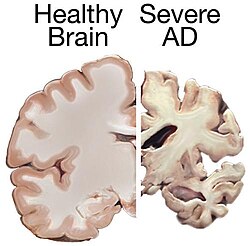
Alzheimer's disease, also called Alzheimer's dementia, accounts for 60–70% of cases of dementia worldwide. Alzheimer's is often part of a mixed dementia diagnosis, typically together with vascular dementia, but also with Lewy body dementia.14 Mixed dementia has been acknowledged to be the most common type of dementia.53
A preclinical stage is described for Alzheimer's which is asymptomatic but which shows evidence of Alzheimer's pathology.28 This can precede the prodromal stage where symptoms become apparent. The loss of the sense of smell (anosmia) is recognized as a long prodromal stage in Alzheimer's.54
Symptoms may vary among individuals. Typically one of the first signs is a problem with memory. Other cognitive impairments can include difficulty in finding the right word, difficulties with visuospatial ability, and impaired reasoning and judgment. In the middle stage hallucinations may be a feature.39 In later stages the symptoms become more severe, and include greater confusion, and changes in behavior.55 A lack of insight into having a condition will become evident.40
The hallmark features of Alzheimer's disease are the deposits of amyloid beta in extracellular amyloid plaques, and the intracellular neurofibrillary tangles formed by hyperphosphorylated tau proteins.56 A protein (TREM2) malfunction can affect the microglial role of clearing cellular debris, allowing a build up of debris and plaques. Astrocytes another type of glial cell are recruited to help clear the debris but they too can become faulty as a result of the protein malfunction, and they with the microglia build up around the neurons and cause chronic inflammation that further damages the neurons.56 The plaques and tangles may be detected in a preclinical stage decades before the onset of symptoms that appear in the prodromal stage.28
Before the early 2000s, only brain tissue at autopsy could definitively diagnose Alzheimer's. Cerebrospinal fluid (CSF) analysis has since become available for detecting AD biomarkers, but blood-based biomarkers have taken the lead.15 Flotillin has been proposed as a potential fluid biomarker for detecting early Alzheimers in either CSF or blood.57 A finger-prick blood sample for the diagnosis of early AD has been developed using p-tau 217 as biomarker.58
Several neuroimaging techniques are also now available to help diagnose and differentiate dementia types and show their stage of progression.59 These include magnetic resonance imaging (MRI), CT scans, and amyloid PET scans using a tracer Pittsburgh compound B or florbetapir. Amyloid PET imaging has made possible the development of anti-amyloid immunotherapies, such as donanemab, and lecanemab, for use in mild NCI due to Alzheimer's or in mild Alzheimer's.53 For detecting tau protein another PET scan tracer flortaucipir was approved for use in the US and Europe in 2024.60
The part of the brain most affected by Alzheimer's is the medial temporal lobe which has a vital role in spatial and episodic memory. The medial temporal lobe includes the hippocampus, amygdala, and parahippocampal gyrus, and is the earliest site of atrophy and tau pathology.61 NODDI (neurite orientation dispersion and density imaging) is an emerging diffusion MRI technique for examining the microstructure of the grey and white matter of the brain's tissue.61 It can show changes in neurodegeneration in relation to ageing and to Alzheimer's, and is used for investigating links between neurite density, MCI and Alzheimer's.62
Vascular dementia
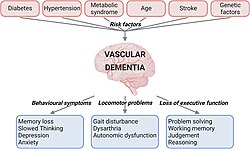
Vascular dementia accounts for at least 20% of dementia cases, making it the second most common type.63 It is also the most common type found with Alzheimer's in mixed dementia.14 Vascular dementia is caused by disease or injury affecting the blood supply to the brain, typically involving a series of mini-strokes. Symptoms depend on where in the brain the strokes occurred and whether the blood vessels affected were large or small.64 Hallucinations may also feature in the middle stage.39 Repeated injury can cause progressive dementia over time, while a single injury located in an area critical for cognition such as the hippocampus, or thalamus, can lead to sudden cognitive decline.63 Elements of vascular dementia may be present in all other forms of dementia.65
Brain scans may show evidence of multiple strokes of different sizes in various locations. Risk factors include tobacco use, high blood pressure, atrial fibrillation, high cholesterol, diabetes, or other signs of vascular disease such as a previous heart attack or angina.66
Lewy body dementias
Lewy body dementias include dementia with Lewy bodies, and Parkinson's disease dementia. Parkinson's disease and dementia with Lewy bodies are synucleinopathies characterized by the presence of Lewy bodies in the brain. (A Lewy body is an inclusion body as an aggregate of alpha-synuclein protein). Parkinson's disease dementia, and dementia with Lewy bodies both present with similar signs and symptoms, and the only real difference between them is that Parkinson's disease precedes Parkinson's dementia typically by about a year.67
The prodromal symptoms of dementia with Lewy bodies (DLB) include mild cognitive impairment, and delirium onset.68 The symptoms of DLB are more frequent, more severe, and earlier presenting than in the other subtypes.69 Dementia with Lewy bodies has the primary symptoms of fluctuating cognition, alertness or attention; REM sleep behavior disorder (RBD); one or more of the main features of parkinsonism, not due to medication or stroke; and repeated visual hallucinations.70 Up to 80% of cases experience visual hallucinations that are well formed and usually of people, animals, or children.70 There is also disruption in autonomic bodily functions.71 Abnormal sleep behaviors may begin before cognitive decline is observed and are a core feature of DLB.70 RBD is diagnosed either by sleep study recording or, when sleep studies cannot be performed, by medical history and validated questionnaires.70
Frontotemporal dementias
Frontotemporal dementias (FTDs) are characterized by drastic personality changes, and language difficulties. In all types, early social withdrawal and lack of insight are major features but not memory problems.72 The most common variant known as behavioral variant FTD (bv-FTD) presents major symptoms of changes in personality and behavior. bv-FTD is a young onset dementia typically affecting those between the ages of 45 and 65.73 In bv-FTD, there is a progressive atrophy of grey matter that in early stages affects areas of executive function responsible for inhibitory control for example. This early atrophy results in socioemotional disturbances such as impulsive behavior.73
Other rare subtypes of FTD are three variants of primary progressive aphasia – language-led dementias that feature aphasia (language problems) as the main symptom.12 One type is semantic dementia (or semantic PPA) with the main feature of the loss of the meaning of words.74 Another type is called progressive nonfluent aphasia (or agrammatic PPA), mainly a difficulty in producing speech, not being able to find the right words, and also problems in coordinating the muscles needed for speech. Eventually the ability to talk at all may be lost.74 The third type is logopenic progressive aphasia (discovered in 2004) and features impairment in the repetition of words or phrases, and impairment in retrieving words.75
A frontotemporal dementia (bvFTD) that overlaps with amyotrophic lateral sclerosis (ALS) is known as (FTD-ALS), and includes the symptoms of bvFTD (behavior, language and movement problems) and decline in motor functions of amyotrophic lateral sclerosis.74 Two FTD-related disorders are progressive supranuclear palsy, and corticobasal degeneration, both of which are tauopathies.74
Mixed dementia
More than one type of dementia, known as mixed dementia, may exist together in at least 10% of dementia cases. The most common type of mixed dementia is Alzheimer's disease and vascular dementia, and the second most common is Alzheimer's and Lewy body dementia. Mixed dementia occurs more frequently in the elderly and seem to progress more rapidly.14 In 2025 an NIH study reported that mixed dementia has been acknowledged as the most common type of dementia.53
Diagnosis of mixed dementia can be difficult, as often only one type will predominate, which means that many people may miss out on potentially helpful treatments. Mixed dementia can mean that symptoms onset earlier, and worsen more quickly since more parts of the brain will be affected.14
Autoimmune dementia
Cognitive decline due to an autoimmune disease can be mistaken for that of a dementia subtype. The importance of correctly identifying an autoimmune dementia is critical in approved treatments. Being treated for dementia rules out immmunotherapy which could treat and reverse the disorder. Also to treat Alzheimer's with monoclonal antibodies would be contraindicated if there are unreported autoantibodies present.7677
Childhood dementias
There are many childhood dementias, most of which have a genetic cause.78
Early onset dementia
Around 7% of people over the age of 65 have dementia, with slightly higher rates (up to 10% of those over 65) in places with relatively high life expectancy.79 Dementia can develop before the age of 65 when it is known as early onset dementia or young-onset dementia.80
Less than 1% of those with early-onset Alzheimer's dementia have genetic mutations that cause a much earlier onset, around the age of 45.81
Later onset dementia
A type of dementia has been classified as limbic-predominant age-related TDP-43 encephalopathy (LATE). It can only be diagnosed on autopsy when clusters of TDP-43 are found in the brain. It usually has a late onset typically affecting those over 80, and can also be found alongside Alzheimer's disease. 82
Secondary dementias
Secondary dementias are those that develop from another condition, and include chronic traumatic encephalopathy,83 Huntington's disease dementia, HIV-associated neurocognitive disorder, prion diseases, and alcohol use disorder.
Huntington's disease
Huntington's disease is a neurodegenerative disease caused by mutations in a single gene HTT, that encodes for huntingtin protein. Symptoms include cognitive impairment that usually declines further into dementia. Other symptoms include chorea (jerky movements), memory lapses, depression, stumbling and clumsiness, mood swings, and behavior changes such as impulsivity and irritability that can become more aggressive in later stages.84
HIV
HIV-associated neurocognitive disorder (HAND) results as a late stage from HIV infection, and mostly affects younger people. The essential features of HAND are disabling cognitive impairment accompanied by motor dysfunction, speech problems and behavioral change. Cognitive impairment is characterised by mental slowness, trouble with memory and poor concentration. Motor symptoms include a loss of fine motor control leading to clumsiness, poor balance and tremors. Behavioral changes may include apathy, lethargy and diminished emotional responses and spontaneity. HAND is the predominant form, and HIV-associated dementia is rare.85
Prion diseases
Prion diseases typically cause dementia that worsens over weeks to months. Prion diseases are very rare and include Creutzfeldt–Jakob disease, Gerstmann–Sträussler–Scheinker syndrome, and fatal familial insomnia. Prions are misfolded proteins, that cause other proteins to misfold, and build up in the brain.86
Alcohol-related dementia
Alcohol-related dementia, occurs as a result of alcohol-related brain damage due to alcoholism. Different factors can be involved in this development including thiamine deficiency and age vulnerability. A degree of brain damage is seen in more than 70% of cases of alcoholism. Brain regions affected are similar to those that are affected by aging, and also by Alzheimer's. Regions showing loss of volume include the frontal, temporal, and parietal lobes, as well as the cerebellum, thalamus, and hippocampus. This loss can be more notable, with greater cognitive impairments seen in those aged 65 years and over.87
Conditions with dementia-like symptoms
Autoimmune dementias of autoimmune disorder origin can mimic subtypes of dementia. They are potentially treatable if recognized and can have a good response to immunotherapy.77
Celiac disease may increase the risk of vascular dementia. Gluten-related disorders might raise the risk of cognitive impairment which can be an early sign of dementia. A strict gluten-free diet started early may protect against this risk of vascular dementia.88
Cases of easily reversible dementia include hormone and vitamin deficiencies, and infections such as Lyme disease, and neurosyphilis.89
Congenital genetic disorders that can also cause symptoms of dementia are known as inborn errors of metabolism.90
Diagnosis
The symptoms of dementia may vary depending on the underlying subtype, and between individuals, particularly in the early stages but at the end stage of all types they are similar. Diagnosis by symptoms alone is difficult, made more so when there is more than one type.51 A medical history will be taken, and cognitive testing carried out.91 Blood tests can rule out possible treatable causes such as vitamin deficiencies and hormone imbalances, or rule in probable Alzheimer's. One or more types of scan may also be needed.59 The DSM5 (2013) published by the American Psychiatric Association gives the diagnostic criteria for a primary dementia as the recognition of a significant decline in one or more cognitive domains that interfere with the ability to carry out everyday activities; the cognitive deficits are not exclusive to delirium, and are not explained by mental disorders such as schizophrenia, and major depressive disorder.2011
A number of brief cognitive tests (5–15 minutes) are available that are reasonably reliable but results need to take into account the influence of a person's educational level.91 The mini–mental state examination (MMSE) is the best studied and most commonly used test.30 This is useful in diagnosis if the results are interpreted along with an assessment of a person's personality, their ability to perform activities of daily living, and their behavior.4 Other cognitive tests include the abbreviated mental test score (AMTS), the modified mini–mental state examination (3MS),92 the Cognitive Abilities Screening Instrument (CASI),93 the Trail-making test,94 and the clock drawing test.95The Montreal Cognitive Assessment (MoCA) is a reliable screening test and is freely available online in many languages.96 The MoCA has also been shown to be somewhat better at detecting mild cognitive impairment than the MMSE.97 An adapted version is available, suitable for those with hearing loss, that avoids the need for people to listen and respond to questions.98 RUDAS, the Rowland Universal Dementia Assessment Scale, is a short dementia screening test for use in diverse multi-ethnic communities designed to overcome language and cultural differences.99 An integrated cognitive assessment (CognICA) is a five-minute test that is highly sensitive to the early stages of dementia, and uses a mobile app deliverable to an iPad.100101 Previously in use in the UK, in 2021 CognICA was given FDA approval for its commercial use as a medical device.101
Informant-based questionnaires are also widely used to gain a better understanding of the types and severity of cognitive decline, and also of behavioral changes. Possibly the best known is the Informant Questionnaire on Cognitive Decline in the Elderly.102 A well-established one used to capture behavioral changes is the Neuropsychiatric Inventory (NPI).103 A similar scale based on the NPI is the Cambridge Behavioural Inventory which has been shown to be able to differentiate the neurodegenerative disorders by grouping common behavioral symptoms.104 The General Practitioner Assessment Of Cognition combines a patient assessment with an informant interview, designed for use in the primary care setting. The AD-8, an informant assessment for dementia screening questionnaire using eight items, is used to assess changes in function related to cognitive decline and is potentially useful, but is not diagnostic, is variable, and has risk of bias.105
Depressive cognitive disorders (previously known as pseudodementias) include symptoms of depression, commonly found in dementia, and delirium. In contrast to dementia, cognitive dysfunction in delirium is marked by a sudden onset with a much shorter duration.106 Machine learning and artificial intelligence have the potential to enhance assessment.107
Individuals diagnosed with dementia, particularly in the early stages, may face an elevated risk of suicide. The risk of suicide is significantly higher within the first three months and up to a year after a dementia diagnosis, especially among those diagnosed before the age of 65.108
Imaging
Neuroimaging techniques are commonly used to rule out reversible causes of dementia such as normal pressure hydrocephalus (a build up of cerebrospinal fluid in the ventricles). Scans can also show if the cause is a tumor, or show evidence of a stroke which would indicate vascular dementia.59 PET-CT scans (functioning and structural, respectively) are useful in differentiating types of dementia.59 A PET scan that uses a radiotracer, commonly FDG can highlight areas of low glucose metabolism in the brain. A pattern of reduced glucose metabolism shown in the temporal and parietal lobes is indicative of Alzheimer's, other patterns are particular to FTD or to LBD.59 Amyloid imaging (amyloid PET) uses a radiotracer that binds to amyloid plaques (large numbers are a hallmark feature of Alzheimer's) to provide detailed images of the distribution of amyloid. This can show up years, even decades, before the onset of symptoms. Serial amyloid imaging shows amyloid beta deposits firstly in the anterior temporal areas that then spread to the frontal and medial parietal regions, the associative neocortex, and then to the primary sensorimotor areas and subcortical regions.59109
Prevention
Risk factors
In a global report of 2017, nine risk factors for dementia were recognized. These were, lower levels of education, high blood pressure, hearing impairment, smoking, obesity, depression, physical inactivity, diabetes, and low social contact.110 In 2020 the reviewed report added three more – excessive alcohol use, traumatic brain injury and air pollution.110 The 2024 report added two more of untreated visual impairment, and high LDL cholesterol.3 Other psychological features, including certain personality traits (high neuroticism, and low conscientiousness), low purpose in life, and feeling lonely, are also risk factors.111112113 For example, based on the English Longitudinal Study of Ageing (ELSA), research found that loneliness (but not social isolation) in older people can increase the risk of dementia by one-third. Living alone can double the risk of dementia but this may be reduced by having two or more closer relationships.114115 Multi-risk factor burden is higher in lower income countries, and in lower socioeconomic groups resulting in earlier development of dementia.3 Some of the risk factors such as diabetes and high blood pressure may also be present as comorbidities.116
Many of the risk factors are potentially modifiable. They include some that may be only partially causal but if they were all addressed nearly a half of dementia cases could be prevented. And a decreased risk is also possible for those with a genetic risk.3 Depression may be seen as a prodromal symptom or as a modifiable risk factor.117 The two most modifiable risk factors for dementia are physical inactivity and lack of cognitive stimulation.118 Physical activity, in particular aerobic exercise, is associated with a reduction in age-related brain tissue loss, and neurotoxic factors. Cognitive activity strengthens neural plasticity and together they help to support cognitive reserve.118 Multicomponent therapy (MCT) including aerobics, balance training, and strength training, has been shown to improve independence for activities of daily living and quality of life. MCT also helps to minimize the risk of falls.119
Impaired vision and hearing in later life, are modifiable risk factors.120121 These impairments may precede cognitive symptoms by many years.122 Hearing loss may lead to another risk factor of social isolation which negatively affects cognition.123122 Age-related hearing loss is characterised by slowed central processing of auditory information.122 Worldwide, mid-life hearing loss may account for around 9% of dementia cases.123 Hearing loss is not a recognised risk factor for vascular dementia.121
Sarcopenia (age-related muscle loss) and resulting frailty may increase the risk of cognitive decline, and dementia, and the inverse also holds of cognitive impairment increasing the risk of frailty. Prevention of frailty may help to prevent cognitive decline.124
There are no medications available that can prevent cognitive decline and dementia.125 An economic model (of 2024) has proposed that population-level interventions in England that target dementia risk factors such as high blood pressure, smoking and obesity, could save money and give people extra years in good health. For example, reduced salt in food, to address hypertension, could give 39,433 quality-adjusted life-years and save £2.4 billion.126
Diet
A modifiable risk factor for dementia is diet. The Mediterranean and DASH diets are both associated with less cognitive decline. A different approach has been to incorporate elements of both of these diets into one known as the MIND diet.127 These diets are generally low in saturated fats while providing a good source of carbohydrates, mainly those of a low glycemic index that help stabilize blood sugar and insulin levels.128 The MIND diet may be more protective but further studies are needed. The Mediterranean diet seems to be more protective against Alzheimer's than DASH but there are no consistent findings against dementia in general.127 The role of olive oil needs further study as it may be one of the most important components in reducing the risk of cognitive decline and dementia.129
Raised blood sugar levels over a long time, can damage nerves and cause memory problems if they are not managed.130 Nutritional factors associated with the proposed diets for reducing dementia risk include unsaturated fatty acids, vitamin E, vitamin C, flavonoids, vitamin B, and vitamin D.131132 Omega-3 fatty acids may help in treating the common symptom of depression, and a potential risk factor for dementia.1333
In those with celiac disease or non-celiac gluten sensitivity, a strict gluten-free diet may relieve the symptoms given a mild cognitive impairment.88134 Once dementia is advanced no evidence suggests that a gluten-free diet is useful.88
Dental health
Poor oral health has not been identified as a known risk factor for dementia but there is evidence for its association with cognitive decline. Different factors have been proposed including tooth infections that may have an inflammatory effect, and tooth loss that impairs proper chewing of food, impacting diet and quality of life.135 Oral health declines with advancing cognitive impairment, due in part to an increased inability to maintain daily self-care, and also barriers to dental care access. Increasing evidence indicates that poor oral health may be more than just a result of dementia and could be a causative factor.136137
Management
Medications

There are limited pharmacological options and several non-pharmacological options for treating dementia, and no available options to delay the onset or stop the progression. Some types of medication are used to address the symptoms in different subtypes but the benefit is small.138
Donepezil is a cholinesterase inhibitor (ChEI) that acts to increase the amount of the neurotransmitter acetylcholine. In treating the symptoms of Alzheimer's moderate quality evidence shows that it provides small improvements in cognition, daily functioning, and global clinical state, with higher doses slightly increasing benefit but also adverse events.139 Rivastigmine another ChEI is recommended for treating symptoms in Parkinson's disease dementia.6
Memantine provides a small but consistent benefit for moderate-to-severe Alzheimer's disease, and can be used together with a cholinesterase inhibitor, but shows no clear benefit in mild Alzheimer's and may increase adverse events, with limited evidence for other dementias.140
Medications that have anticholinergic effects increase all-cause mortality in people with dementia, although the effect of these medications on cognitive function remains uncertain, according to a systematic review published in 2021.141
Before prescribing antipsychotic (neuroleptic) medication in the elderly, an assessment for an underlying cause of the behavior is needed.47 Severe and life-threatening reactions occur in almost half of people with Lewy body dementia,71142 can be fatal after a single dose,143 and can give a risk for developing neuroleptic malignant syndrome, a rare life-threatening illness.144 Antipsychotic drugs are used to treat dementia only if non-drug therapies have not worked, and the person's actions threaten themselves or others.145146 Aggressive behavior changes are sometimes the result of other solvable problems, that could make treatment with antipsychotics unnecessary.47 Because people with dementia can be aggressive, resistant to their treatment, and otherwise disruptive, sometimes antipsychotic drugs are considered as a therapy in response.47 These drugs have risky adverse effects, including increasing the person's chance of stroke and death.47 Given these adverse events and small benefit antipsychotics are avoided whenever possible.147 Generally, stopping antipsychotics for people with dementia does not cause problems, even in those who have been on them a long time.148
An extract of Ginkgo biloba known as EGb 761 has been widely used for treating mild to moderate dementia and other neuropsychiatric disorders.149 Its use is approved throughout Europe.150 The World Federation of Biological Psychiatry guidelines lists EGb 761 with the same weight of evidence (level B) given to acetylcholinesterase inhibitors, and memantine. EGb 761 is the only one that showed improvement of symptoms in both AD and vascular dementia. EGb 761 is seen as being able to play an important role either on its own or as an add-on particularly when other therapies prove ineffective.149 EGb 761 is seen to be neuroprotective; it is a free radical scavenger, improves mitochondrial function, and modulates serotonin and dopamine levels. Many studies of its use in mild to moderate dementia have shown it to significantly improve cognitive function, activities of daily living, neuropsychiatric symptoms, and quality of life.149151
There is a complex interplay between the use of antidepressants, the severity of dementia, and the degree of cognitive decline, particularly with the use of SSRIs that warrants further research. The use of antidepressants is associated with a faster rate of cognitive decline. Greater cognitive decline is in line with the severity of dementia. Also higher doses are associated with greater cognitive decline and with the risk of severe dementia, and fractures.152
No evidence supports the use of vitamin or mineral supplements including B vitamins to improve cognitive impairment.153 No evidence supports the use of statins to prevent dementia.154 There is insufficient evidence for the use of antihypertensives to prevent cognitive decline, and dementia.155 Medications for other health conditions may need to be managed differently for someone with dementia; the MATCH-D tool may be used for this. 156
Non-pharmacological options
More than half of people with dementia may experience neuropsychiatric (psychological or behavioral) symptoms such as agitation, sleep problems, aggression, and psychosis. Treatment for these symptoms is aimed at reducing the person's distress and keeping them safe. The most promising non-pharmacological approach for evaluating neuropsychiatric symptoms is the DICE interaction - Describe, Investigate, Create, and Evaluate followed by caregiver training.22 Severe behavioral symptoms might result in a hospital admission for psychiatric assessment, care and treatment.157158
Cognitive and behavioral interventions rather than medication appear to be better for agitation and aggression.159 Cognitive rehabilitation may be effective in helping those with mild to moderate dementia in managing their daily activities.160
Other non-pharmacological interventions for use in nursing homes include Montessori-based programmes.161 Indicators for depression may use a Cornell Scale for Depression in Dementia (CSDD)162163 Exercise programs are beneficial with respect to activities of daily living.164 Massage and touch therapy may improve agitation and behavioral problems with hand, head and foot massage showing a significant improvement in agitation.165 There are mixed findings in the use of cannabinoids in treating some of the symptoms of dementia.22
Often overlooked in treating and managing dementia is the role of the caregiver and what is known about how they can support multiple interventions. Healthcare workers do not have sufficient tools or clinical guidance for the behavioral and psychological symptoms of dementia along with medication use.166 Simple measures like talking to people about their interests can improve the quality of life for care home residents and may reduce symptoms of agitation and depression. They also needed fewer GP visits and hospital admissions, which also meant that the programme was cost-saving.167168
Psychological and psychosocial therapies
Psychological therapies for dementia include some limited evidence for reminiscence therapy (namely, some positive effects in the areas of quality of life, cognition, communication and mood – the first three particularly in care home settings),169 some benefit for cognitive reframing for caretakers,170 unclear evidence for validation therapy171 and tentative evidence for mental exercises, such as cognitive stimulation programs for people with mild to moderate dementia.172 Offering personally tailored activities may help reduce challenging behavior and may improve quality of life.173
Dementia impairs normal communication and agitated behavior is often used to indicate pain, illness, or overstimulation.174 The strongest evidence for non-pharmacological therapies for the management of changed behaviors in dementia is for using such approaches.147 Low quality evidence suggests that regular (at least five sessions of) music therapy may help institutionalized residents. It may reduce depressive symptoms and improve overall behaviors. It may also supply a beneficial effect on emotional well-being and quality of life, as well as reduce anxiety.175 In 2003, The Alzheimer's Society in the UK introduced 'Singing for the Brain', establishing a model for group singing of well-known songs (for those with dementia and their carers) that also incorporates vocal exercises for the improvement of brain activity and well-being.176
Some London hospitals found that using color, designs, pictures and lights helped people with dementia adjust to being at the hospital. These adjustments to the layout of the dementia wings at these hospitals helped patients by preventing confusion.177
Life story work as part of reminiscence therapy, and video biographies have been found to address the needs of clients and their caregivers in various ways, offering the client the opportunity to leave a legacy and enhance their personhood and also benefitting youth who participate in such work. Such interventions can be more beneficial when undertaken at a relatively early stage of dementia. They may also be problematic in those who have difficulties in processing past experiences.178
Animal-assisted therapy particularly with the use of dogs, has been found to be helpful.178
Occupational therapy also addresses psychological and psychosocial needs of patients with dementia through improving daily occupational performance and caregivers' competence.179 When compensatory intervention strategies are added to their daily routine, the level of performance is enhanced and reduces the burden commonly placed on their caregivers.179 Occupational therapists can also work with other disciplines to create a client centered intervention.180 To manage cognitive disability, and coping with behavioral and psychological symptoms of dementia, combined occupational and behavioral therapies can support patients with dementia even further.180
Palliative care
Palliative care, the total care given by a team of health care providers can be helpful to both the individual and the caregiver.36 It aims to improve quality of life, at all stages.181 It can help people with dementia and their caregivers to understand what to expect, deal with loss of physical and mental abilities, support the person's wishes and goals including surrogate decision making, and discuss wishes for or against CPR and life support.182 Palliative care interventions may lead to improvements in the quality of life, management of symptoms, and comfort in dying, but it is not yet known how it can be best used to support people dying with advanced dementia and their families.183
Because there is uncertainty around how and when people with dementia decline, and because most people prefer to allow the person with dementia to make their own decisions, palliative care involvement before the late stages of dementia is recommended.184 In the early stages of dementia, palliative care can involve advocacy around establishing goals of care in the future, reassurance of continued support, planning for future scenarios of care and establishing long-term relationships with care providers.185 In later stages, a palliative approach to dementia care may have specific benefit to goals of care and end-of-life conversations, symptom management, prescribing practices and emergency department visits.186
Towards the end of life, without palliative care, people often present to the emergency department.187 Community palliative care is associated without this need.188 End-of-life care outcomes at home, such as neuropsychiatric symptoms may be improved.189
People with advanced dementia may not readily receive specialist palliative care input.190 Reasons for this are varied but may include lack of agreement of when to refer people with dementia,191 and a lack of coordination across care settings, communication challenges, limited training opportunities for healthcare staff and because dementia is considered to be a life-limiting condition.190 Dementia is often thought to be a normal ageing process and not recognized as a terminal condition.192 Further research is needed to determine the appropriate palliative care interventions and how they can be implemented.189183
Person-centered care
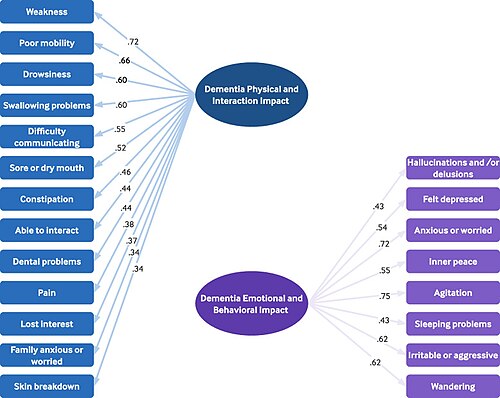
Person-centered care (different from patient participation), takes into account the individual's needs, preferences, experiences, and values, by building up a personal relationship.193 This is especially important as the approach aims to maintain the dignity of people with dementia and sense of identity throughout the course of their illness.194 Person-centered care interventions could not only reduce agitation, neuropsychiatric symptoms, and depression but also help improve the quality of life for people with dementia.195 Moreover, the potential benefits of a person-centered care approach for dementia care workers have been reported, indicating its effectiveness in reducing stress, burnout, and job dissatisfaction.193196
Person-centered outcome measures (PCOMs) are standardized, validated questionnaires that measure people's opinions of their own health and well-being. They emphasize person-centered care by focusing on the symptoms and concerns that are most important to people and their families.197198 PCOMs may be self-reported (when the person with dementia completes the questionnaire) or proxy-reported (when the questionnaire is completed by someone who knows them well). Proxy-reported PCOMs are used in more advanced stages of dementia when the person is no longer able to self report.197 Used in routine care, PCOMs support systematic assessment and monitoring of an individual's health and wellbeing, enable shared decision-making, enable changes in care provision (such as improved communication or referral to other services), improve outcomes (such as improved symptom management) and enable evaluation of care provision.197 The Integrated Palliative Care Outcome Scale for Dementia (IPOS-Dem) is a comprehensive palliative dementia PCOM, used to measure symptoms and concerns for people with dementia and their family.199
Adult daycare centers as well as special care units in nursing homes often provide specialized care. Daycare centers offer supervision, recreation, meals, and limited health care to participants, as well as providing respite for caregivers. In addition, home care can provide one-to-one support and care in the home allowing for more individualized attention that is needed as the disorder progresses.200201
Sleep disturbances
Over 40% of people with dementia report sleep problems.202 Approaches to treating these sleep problems include medications and non-pharmacological approaches.202 The use of medications to alleviate sleep disturbances has not been well researched, even for medications that are commonly prescribed.203 In 2012 the American Geriatrics Society recommended that benzodiazepines such as diazepam, and non-benzodiazepine sleeping pills, be avoided for people with dementia due to the risks of increased cognitive impairment and falls.204 Benzodiazepines are also known to promote delirium.205 Additionally, little evidence supports the effectiveness of benzodiazepines in this population.203 No clear evidence shows that melatonin or ramelteon improves sleep for people with dementia due to Alzheimer's,203 but it is used to treat REM sleep behavior disorder in dementia with Lewy bodies.71 Limited evidence suggests that a low dose of trazodone may improve sleep, however more research is needed.203
Non-pharmacological approaches have been suggested but there is no strong evidence or firm conclusions on the effectiveness of different types of interventions, especially for those who are living in an institutionalized setting such as a nursing home or long-term care home.202 A sleep management programme may be useful that includes sleep hygiene education, exercise and tailored activities.145
Pain
Pain in those with moderate to severe dementia is often overlooked and poorly assessed since they become incapable of communicating their pain.206 Nearly 80% of those with dementia in nursing homes may experience pain that is difficult to communicate, and it may be expressed as a behavioral symptom.207208 Persistent pain has functional implications, it can lead to decreased mobility, depression, sleep disturbances, impaired appetite, exacerbation of cognitive impairment and contribute to falls.206 Caregivers can learn to recognize and assess the pain cues.206 The use of a Pain Assessment in Advanced Dementia scale, can help healthcare workers in their care of those with advanced dementia.209
Communication
The ability of people with dementia to speak or otherwise communicate may become impaired, and they may seem unable to understand what is said to them and have trouble communicating their needs.210211 Communication challenges affect not only the administration of pain medication but also hydration, nutrition, and all aspects of physical and emotional care.212 Formal caregivers may also find it hard to form relationships with those they care for because of the communication barrier.211
For people with dementia who have lost their speech, nonverbal communication can be used. Paying attention to eye movements, facial expressions, and body movements can help caregivers understand them better. As each person is affected by dementia differently, a unique form of communication may need to be established.213 People with dementia living in long-term care homes typically have high rates of hearing loss which can further impair communication between them and staff. However, various barriers, including a lack of knowledge and time pressure, often prevent staff from providing adequate hearing care.214
Exercise
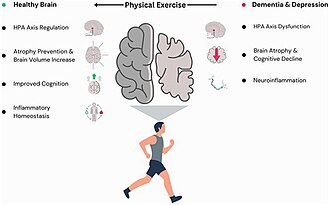
Exercise programs may improve the ability of people with dementia to perform daily activities, but the best type of exercise is still unclear.164
Assistive technology and digital health
Assistive technologies may be used to improve the quality of life for individuals with dementia, support their independence, and assist caregivers.215 These technologies include home automation systems, digital assistive tools, and wearable sensors.216 Virtual reality is also being explored as a powerful technology to elicit memories and to improve wellbeing.217
Technology has the potential to be a valuable intervention for alleviating loneliness and promoting social connections.218 It could facilitate activities of daily living, and provide ways to connect people that are geographically distant.219
Other types of developed technologies to aid services include telehealth or telemedicine services, using digital communication for delivery of health-related services and information through phone calls, mobile apps, and video conferencing.220
Telemedicine has given results for cognitive assessment and diagnosis that are similar to in-person visits, and it has also helped improve outcomes after rehabilitation. Telemedicine is often well received by people affected by dementia who can rely on the support of staff and family to navigate the technology. While it has potential to widen access to services, those with sensory impairment may be excluded.220
Digital health interventions can play a role in supporting family caregivers of people with dementia, by offering a source of support from connective platforms, with 24/7 accessibility, as well as opportunity for remote monitoring.221220 However, challenges such as the digital divide, privacy concerns and the need for greater personalisation for individual users are recognised issues.220
Remotely delivered interventions including support, training and information may reduce the burden for the informal caregiver and improve their depressive symptoms.222
In several localities in Japan, digital surveillance may be made available to family members, if a person with dementia is prone to wandering and going missing.223
Epidemiology
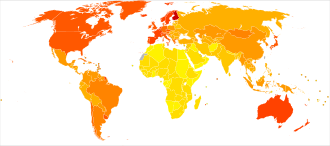
<100 100–120 120–140 140–160 160–180 180–200 | 200–220 220–240 240–260 260–280 280–300 >300 |
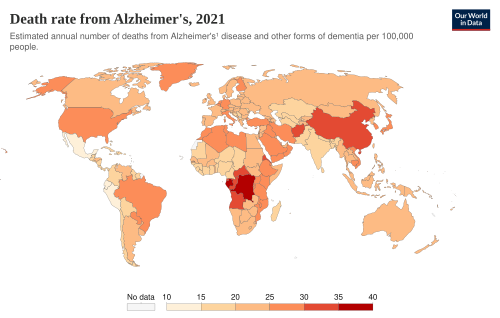
The number of cases of dementia worldwide in 2021 was estimated at 57 million, with close to 10 million new cases each year.1 This number is estimated to double every 20 years.29 Another estimate gives the number of people worldwide with dementia to reach over 150 million by 2050.224 Over 60% live in low and middle income countries, with women being more impacted.1 Globally, the fastest increase in serious health-related suffering by 2060 is expected to occur among people with dementia.225
In 2021 there were 1.8 million deaths from dementia making it the seventh leading cause of death.226 This is expected to increase to 4.91 million by 2050.7 In Europe, Finland has the highest mortality rate from dementia in the world.227
Around 7% of people over the age of 65 have dementia, with rates up to 10%, in places with relatively high life expectancy.79 The prevalence of dementia differs in different world regions; in 2015, there were an estimated 10.4 million cases in Europe; 9.4 million cases in the Americas; 4 million in Africa, and 22.9 million in Asia.228
Almost half of new dementia cases occur in Asia, followed by Europe (25%), the Americas (18%) and Africa (8%). The incidence of dementia increases exponentially with age, doubling with every 6.3-year increase in age.228 The disease trajectory is varied and the median time from diagnosis to death depends strongly on age at diagnosis, from 6.7 years for people diagnosed aged 60–69 to 1.9 years for people diagnosed at 90 or older.183
Inequalities
Inequalities are observed in the risk of developing dementia, in its timely diagnosis, in access to care, and in support.229 There is also less funding available for dementia research, and less support for the carers.229
On a global level, people in low-and middle-income countries have fewer available facilities and services, and have greater difficulties accessing these than people living in high-income countries.230231 Low socioeconomic status has a greater risk burden for the development of dementia and is also associated with earlier cognitive decline.3 In the most deprived areas of a country more hospitalisations, and emergency department visits are noted. Inappropriate medications may be prescribed and there is a higher one year mortality rate.232233
On a national level, people with dementia might have unequal access to care based on where they live. This can manifest on a regional level, with people in rural areas facing more difficulties than those in urban areas. Inequalities can also affect smaller local units as well, for example people living in the same city might receive different or less frequent care based on their postcodes or the street they live in.234
A diagnosis of dementia is difficult for the individual and the carers, and post-diagnostic support is often variable, and care options difficult to navigate.235236 There is often a perceived disparity in care between dementia and other life-limiting conditions.237238239 Social stigma is commonly perceived by those with the condition, and also by their caregivers.1
Significant differences in dementia incidence, risk, and care exist in racial and ethnic minorities. These groups are often more affected by dementia risk factors, for example having high blood pressure.240241242243 Those coming from a minority background often receive lower quality dementia care, they are less likely to get anti-dementia medications compared to their White counterparts. Furthermore, when they are prescribed medication, they are less likely to adhere to the treatment due to various factors and barriers such as the quality of interaction with healthcare providers, distrust in doctors, worries about retaining personal autonomy, stigmas and different beliefs.244
Globally, women are much more impacted by dementia than men. Two in three people with dementia are women.245246 Yet, medical data from women are lacking compared to men. Women are more likely to care for another person with dementia (in the workforce and informally).246 The proportion of women caregivers in low and middle income countries is higher.247246 Gender disparities exist towards the end-of-life in caregiving experiences.248
By country
United Kingdom
Estimates show that in 2024 there were nearly a million people living with dementia in the UK, with more than 800 000 in England.249 This is expected to rise to 1.4 million by 2040,250 with numbers doubling in England.251
In 2022 and 2023, dementia was the leading cause of death in England and Wales.17
United States
Deaths from dementia in the U.S. tripled in the period from 1999-2020, rising from around 150,000 in 1999 to over 450,000 in 2020, and the likelihood of dying from dementia increased across all demographic groups.252 In 2024 dementia was the fifth leading cause of death in the U.S.29
The genetic and environmental risk factors for dementia disorders vary by ethnicity.253254 For instance, Alzheimer's disease among Hispanic/Latino and African American subjects exhibit lower risks associated with gene changes in the apolipoprotein E gene than do non-Hispanic white subjects.255
In the United States in 2017, over 37% of dementia cases were associated with cardiometabolic conditions, though the risk varies across regions. The eight key contributors were diabetes, heart failure, atrial fibrillation, coronary artery disease, heart attacks, strokes, hypertension and high cholesterol. Among these, stroke was the most significant factor, doubling the risk of developing dementia (2.2 times higher), followed closely by heart failure (2.1 times) and hypertension (78% increased risk). In contrast, high cholesterol had the weakest correlation, associated with a 27% increased risk. However, there were also geographic disparities, and individuals living in the U.S. South faced a higher likelihood of dementia related to cardiovascular conditions and diabetes.256257
Australia
In Australia in 2024 there were an estimated 425,000 cases of dementia. In 2023 dementia was the leading cause of death for women, and the second leading for men. In 2023 there were 17,400 deaths which rose to 17,847 in 2024.258
History
Until the end of the 19th century, dementia was a much broader clinical concept. It included mental illness and any type of psychosocial incapacity, including reversible conditions.259 Dementia at this time simply referred to anyone who had lost the ability to reason, and was applied equally to psychosis, organic diseases like syphilis that destroy the brain, and to the senile dementia associated with old age.
Dementia has been referred to in medical texts since antiquity. One of the earliest known allusions to dementia is attributed to the 7th-century BC Greek philosopher Pythagoras, who divided the human lifespan into six distinct phases: 0–6 (infancy), 7–21 (adolescence), 22–49 (young adulthood), 50–62 (middle age), 63–79 (old age), and 80–death (advanced age). The last two he described as the "senium", a period of mental and physical decay, and that the final phase was when "the scene of mortal existence closes after a great length of time that very fortunately, few of the human species arrive at, where the mind is reduced to the imbecility of the first epoch of infancy".260 In 550 BC, the Athenian statesman and poet Solon argued that the terms of a man's will might be invalidated if he exhibited loss of judgement due to advanced age. Chinese medical texts made allusions to the condition as well, and the characters for "dementia" translate literally to "foolish old person".261
Athenian philosophers Aristotle and Plato discussed the mental decline that can come with old age and predicted that this affects everyone who becomes old and nothing can be done to stop this decline from taking place. Plato specifically talked about how the elderly should not be in positions that require responsibility because, "There is not much acumen of the mind that once carried them in their youth, those characteristics one would call judgement, imagination, power of reasoning, and memory. They see them gradually blunted by deterioration and can hardly fulfill their function."262
For comparison, the Roman statesman Cicero held a view much more in line with modern-day medical wisdom that loss of mental function was not inevitable in the elderly and "affected only those old men who were weak-willed". He spoke of how those who remained mentally active and eager to learn new things could stave off dementia. However, Cicero's views on aging, although progressive, were largely ignored in a world that would be dominated for centuries by Aristotle's medical writings. Physicians during the Roman Empire, such as Galen and Celsus, simply repeated the beliefs of Aristotle while adding few new contributions to medical knowledge.
Byzantine physicians sometimes wrote of dementia. It is recorded that at least seven emperors whose lifespans exceeded 70 years displayed signs of cognitive decline. In Constantinople, special hospitals housed those diagnosed with dementia or insanity, but these did not apply to the emperors, who were above the law and whose health conditions could not be publicly acknowledged.
Poets, playwrights, and other writers made frequent allusions to the loss of mental function in old age. William Shakespeare notably mentions it in the plays Hamlet and King Lear.
During the 19th century, doctors generally came to believe that elderly dementia was the result of cerebral atherosclerosis, although opinions fluctuated between the idea that it was due to blockage of the major arteries supplying the brain or small strokes within the vessels of the cerebral cortex.
In 1907, Bavarian psychiatrist Alois Alzheimer was the first to identify and describe the characteristics of progressive dementia in the brain of 51-year-old Auguste Deter.263 Deter had begun to behave uncharacteristically, including accusing her husband of adultery, neglecting household chores, exhibiting difficulties writing and engaging in conversations, heightened insomnia, and loss of directional sense.264 At one point, Deter was reported to have "dragged a bed sheet outside, wandered around wildly, and cried for hours at midnight".264 Alzheimer began treating Deter when she entered a Frankfurt mental hospital on November 25, 1901.264 During her ongoing treatment, Deter and her husband struggled to afford the cost of the medical care, and Alzheimer agreed to continue her treatment in exchange for Deter's medical records and donation of her brain upon death.264 Deter died on April 8, 1906, after succumbing to sepsis and pneumonia.264 Alzheimer conducted the brain biopsy using the Bielschowsky stain method, which was a new development at the time, and he observed senile plaques, neurofibrillary tangles, and atherosclerotic alteration.263 At the time, the consensus among medical doctors had been that senile plaques were generally found in older patients, and the occurrence of neurofibrillary tangles was an entirely new observation at the time.264 Alzheimer presented his findings at the 37th psychiatry conference of southwestern Germany in Tübingen on April 11, 1906; however, the information was poorly received by his peers.264 By 1910, Alois Alzheimer's teacher, Emil Kraepelin, published a book in which he coined the term "Alzheimer's disease" in an attempt to acknowledge the importance of Alzheimer's discovery.263264
By the 1960s, the link between neurodegenerative diseases and age-related cognitive decline had become more established. By the 1970s, the medical community maintained that vascular dementia was rarer than previously thought and Alzheimer's disease caused the vast majority of old age mental impairments. More recently however, it is believed that dementia is often a mixture of conditions.
In 1976, neurologist Robert Katzmann suggested a link between senile dementia and Alzheimer's disease. He suggested that much of the senile dementia occurring (by definition) after the age of 65, was pathologically identical with Alzheimer's disease occurring in people under 65 and therefore should not be treated differently. Katzmann proposed that Alzheimer's disease, if taken to occur over age 65, is actually common, not rare, and was the fourth- or fifth leading cause of death, even though rarely reported on death certificates in 1976.265
A helpful finding was that although the incidence of Alzheimer's disease increased with age (from 5–10% of 75-year-olds to as many as 40–50% of 90-year-olds), no threshold was found by which age all persons developed it. This is shown by documented supercentenarians (people living to 110 or more) who experienced no substantial cognitive impairment. Some evidence suggests that dementia is most likely to develop between ages 80 and 84 and individuals who pass that point without being affected have a lower chance of developing it. Women account for a larger percentage of dementia cases than men.266 This can be attributed in part to their longer overall lifespan and greater odds of attaining an age where the condition is likely to occur.267
Much like other diseases associated with aging, dementia was comparatively rare before the 20th century, because few people lived past 80. Conversely, syphilitic dementia was widespread in the developed world until it was largely eradicated by the use of penicillin after World War II. With significant increases in life expectancy thereafter, the number of people over 65 started rapidly climbing. While elderly persons constituted an average of 3–5% of the population prior to 1945, by 2010 many countries reached 10–14% and in Germany and Japan, this figure exceeded 20%. Public awareness of Alzheimer's Disease greatly increased in 1994 when former US president Ronald Reagan announced that he had been diagnosed with the condition.
In the 21st century, other types of dementia were differentiated from Alzheimer's disease and vascular dementias (the most common types). This differentiation is on the basis of pathological examination of brain tissues, by symptomatology, and by different patterns of brain metabolic activity in nuclear medical imaging tests such as SPECT and PET scans of the brain. The various forms have differing prognoses and differing epidemiologic risk factors.
Terminology
Dementia derives from demens meaning out of mind.268 In the elderly it was once called senile dementia or senility which are now outdated terms. The condition was viewed as a normal and somewhat inevitable aspect of aging.269
By 1913–20 the term dementia praecox was introduced to suggest the development of senile-type dementia at a younger age. Eventually the two terms fused, so that until 1952 physicians used the terms dementia praecox (precocious dementia) and schizophrenia interchangeably. Since then, science has determined that dementia and schizophrenia are two different disorders, though they share some similarities. The term precocious dementia for a mental illness suggested that a type of mental illness like schizophrenia (including paranoia and decreased cognitive capacity) could be expected to arrive normally in all persons with greater age (see paraphrenia). After about 1920, the beginning use of dementia for what is now understood as schizophrenia and senile dementia helped limit the word's meaning to "permanent, irreversible mental deterioration". This began the change to the later use of the term and researchers have seen a connection between those diagnosed with schizophrenia and patients who are diagnosed with dementia, finding a positive correlation between the two diseases.270
The view that dementia must always be the result of a particular disease process led for a time to the proposed diagnosis of "senile dementia of the Alzheimer's type" (SDAT) in persons over the age of 65, with "Alzheimer's disease" diagnosed in persons younger than 65 who had the same pathology. Eventually, however, it was agreed that the age limit was artificial, and that Alzheimer's disease was the appropriate term for persons with that particular brain pathology, regardless of age.
After 1952, mental illnesses including schizophrenia were removed from the category of organic brain syndromes, and thus (by definition) removed from possible causes of "dementing illnesses" (dementias). At the same, however, the traditional cause of senile dementia – "hardening of the arteries" – now returned as a set of dementias of vascular cause (small strokes). These were now termed multi-infarct dementias or vascular dementias.
Society and culture
The societal cost of dementia is high, especially for caregivers.271 Research conducted in the UK shows that almost two out of three carers of people with dementia feel lonely. Most of the carers in the study were family members or friends.272 Informal carers are at higher risk of developing psychological and physical conditions.271
Among people aged 60 years and over, dementia was ranked in 2010 as the 9th most burdensome condition.228 The World Health Organization's (WHO) global action plan on the public health response to dementia (2017-2025) set a target for 75% of WHO Member States (194 countries) to develop a policy or plan for dementia by 2025. These plans recognize that people can live well with dementia for years, as long as the right support and timely access to a diagnosis are available. However, in 2025, only 23% of Member States (45 countries) have a national policy for dementia.273
Financial costs
The financial costs of care in people with dementia are high and increase over the stages reached. Nursing home care, and informal care costs are among the highest cost components.271 The estimated costs of care in low- and middle-income countries are lower than those in high-income countries with 42% met by direct care costs, and 58% met by informal care. These estimates are likely an under-representation, as there have been limited research studies in these countries, particularly in low-income countries.274
The global cost of dementia was around US$1.3 trillion in 2021.
In the USA total costs in 2025 was around US$384 billion not including the estimated US$413 billion in informal care costs. The lifetime cost of dementia care in 2024 was estimated at US$405,262.275
In 2024 the annual cost per person with dementia in the United Kingdom ranged from £28,700 at the mild stage rising to £80,500 at the moderate stage.271 For the total population the annual estimated cost in 2024 was £42.5 billion which is expected to reach £90.3 billion by 2040.271 More than 60% of these costs are paid by people with dementia and their family caregivers. People with dementia spend an average of £100,000 on their own care over their lifetime.276
Awareness
A worldwide study in 2019 showed that about 66% of the general public believe that dementia is a normal part of aging, and not a disorder, and 62% of healthcare professionals also held this view.277 A follow-up study in 2024 showed that this figure had increased to 80% in the general public and to 65% among healthcare workers.278 In 2022, only 42% of surveyed public in England knew that dementia is a terminal condition, and over 90% were unaware that dementia was the leading cause of cause of death in their country.279 There is also persistent stigma, which can be a barrier for people seeking help for dementia and accessing care.278280 In 2024 88% of people living with dementia reported experiencing discrimination, an increase of 5% from 2019.278 Over 64% of the general public believe people with dementia are impulsive and unpredictable.278
Many celebrities have used their platforms to champion awareness for Alzheimer's disease including actor Samuel L. Jackson, and editor-in-chief of ELLE Magazine Nina Garcia.281 The former First Lady of California Maria Shriver is also an Alzheimer's champion.282 Additional dementia awareness has been raised through the diagnoses of high-profile persons, including actors Bruce Willis (diagnosed with frontotemporal dementia),283 Robin Williams (diagnosis of dementia with Lewy bodies),284 actress Rita Hayworth,285 activist Rosa Parks,286 former US President Ronald Reagan diagnosed with Alzheimer's disease,287 TV host Wendy Williams,diagnosed with frontotemporal dementia.288 musicians Tony Bennett289 and Maureen McGovern, both diagnosed with Alzheimer's.290
Philanthropy
In 2015, Atlantic Philanthropies announced a $177 million gift aimed at understanding and reducing dementia. The recipient was the Global Brain Health Institute, a program co-led by the University of California, San Francisco and Trinity College Dublin.291
In October 2020, the Caretaker's (James Leyland Kirby) last music release, Everywhere at the End of Time, was popularized by TikTok users for its depiction of the stages of dementia. Kirby said that the use of the recordings could cause empathy among a younger public.292
On November 2, 2020, Scottish billionaire Tom Hunter donated £1 million, split between Alzheimer's society, and Music for dementia. This donation was prompted after watching a former music teacher with dementia, Paul Harvey, playing one of his own compositions on the piano in a video.293
Research directions
Efforts to facilitate research into people living with dementia include the development of the Dementia Enquirers Gold Standards for Co-Research, and for Ethical Research.294295 Evidence-informed guidelines to involve people with impaired mental capacity nearing the end of life have also been published.296 And there are dedicated networks such as the UK-based EMPOWER Dementia Network+, which uses a co-productive approach to engage and include people from under-represented communities to tackle inequalities in dementia care and research.297
A 2026 Dementia Care and Caregiving Research Summit, hosted by the National Institute of Aging will review progress made in research, identify unmet research needs, and highlight research that is promising, and innovative.298
Artificial intelligence, and machine learning algorithms have the potential to improve early diagnosis and treatment planning for dementia.107
Kynurenine is a metabolite of tryptophan that regulates microbiome signaling, immune cell response, and neuronal excitation. A disruption in the kynurenine pathway may be associated with the neuropsychiatric symptoms and cognitive prognosis in mild AD dementia; lower numbers of kynurenines are found in those with Alzheimer's.299 But more research is called for.300
References
References
- "Dementia". www.who.int. March 31, 2025. Retrieved January 13, 2026.
- Emmady PD, Schoo C, Tadi P (2025). "Major Neurocognitive Disorder (Dementia)". StatPearls. StatPearls Publishing. Retrieved January 13, 2026.
- Livingston G, Huntley J, Liu KY, et al. (August 2024). "Dementia prevention, intervention, and care: 2024 report of the Lancet standing Commission". Lancet. 404 (10452): 572–628. Bibcode:2024Lanc..404..572L. doi:10.1016/S0140-6736(24)01296-0. PMID 39096926.
- Creavin ST, Wisniewski S, Noel-Storr AH, et al. (January 2016). "Mini-Mental State Examination (MMSE) for the detection of dementia in clinically unevaluated people aged 65 and over in community and primary care populations". The Cochrane Database of Systematic Reviews. 2016 (1) CD011145. doi:10.1002/14651858.CD011145.pub2. hdl:1983/00876aeb-2061-43f5-b7e1-938c666030ab. PMC 8812342. PMID 26760674.
- "Differential diagnosis dementia". NICE. Retrieved January 20, 2022.
- Arvanitakis Z, Shah RC, Bennett DA (October 2019). "Diagnosis and Management of Dementia: Review". JAMA. 322 (16): 1589–1599. Bibcode:2019JAMA..322.1589A. doi:10.1001/jama.2019.4782. PMC 7462122. PMID 31638686.
- Li Z, Yang N, He L, et al. (2024). "Global Burden of Dementia Death from 1990 to 2019, with Projections to 2050: An Analysis of 2019 Global Burden of Disease Study". J Prev Alzheimers Dis. 11 (4): 1013–1021. doi:10.14283/jpad.2024.21. PMC 12275824. PMID 39044512.
- "What Is Dementia? Symptoms, Types, and Diagnosis". National Institute on Aging. December 8, 2022. Retrieved January 26, 2026.
- Bathini P, Brai E, Auber LA (November 2019). "Olfactory dysfunction in the pathophysiological continuum of dementia" (PDF). Ageing Research Reviews. 55 100956. doi:10.1016/j.arr.2019.100956. PMID 31479764. S2CID 201742825.
- "ICD-11 for Mortality and Morbidity Statistics". icd.who.int. Retrieved January 20, 2022.
{{cite web}}: CS1 maint: deprecated archival service (link) - American Psychiatric Association (2013). Diagnostic and statistical manual of mental disorders: DSM-5 (5th ed.). Washington, DC: American Psychiatric Association. pp. 591–603. ISBN 978-0-89042-554-1.
- "Dementias | National Institute of Neurological Disorders and Stroke". www.ninds.nih.gov. Retrieved January 20, 2026.
- Wilson H, Pagano G, Politis M (March 2019). "Dementia spectrum disorders: lessons learnt from decades with PET research". J Neural Transm (Vienna). 126 (3): 233–251. doi:10.1007/s00702-019-01975-4. PMC 6449308. PMID 30762136.
- "Mixed dementia". Dementia UK. Retrieved January 14, 2026.
- Valletta M, Briel N, Yuksekel I, et al. (December 2025). "Fluid biomarkers for neurodegenerative diseases: a comprehensive update". Alzheimers Res Ther. 18 (1) 12. doi:10.1186/s13195-025-01919-z. PMC 12805704. PMID 41422050.
- Vila-Castelar C, Fox-Fuller JT, Guzmán-Vélez E, et al. (May 2022). "A cultural approach to dementia - insights from US Latino and other minoritized groups". Nat Rev Neurol. 18 (5): 307–314. doi:10.1038/s41582-022-00630-z. PMC 9113534. PMID 35260817.
- "Dementia remains UK's top cause of death". Dementia UK. October 19, 2023. Retrieved January 19, 2026.
- Vedel I, Sheets D, McAiney C, et al. (2020). "CCCDTD5: Individual and community-based psychosocial and other non-pharmacological interventions to support persons living with dementia and their caregivers". Alzheimer's & Dementia: Translational Research & Clinical Interventions. 6 (1) e12086. doi:10.1002/trc2.12086. PMC 7657138. PMID 33209973.
- Orgeta V, Leung P, Del-Pino-Casado R, et al. (April 2022). "Psychological treatments for depression and anxiety in dementia and mild cognitive impairment". The Cochrane Database of Systematic Reviews. 2022 (4) CD009125. doi:10.1002/14651858.CD009125.pub3. PMC 9035877. PMID 35466396.
- "Dementia". American Speech-Language-Hearing Association. Retrieved February 13, 2026.
- "What Is Dementia? | CDC". cdc.gov. December 19, 2019. Retrieved October 3, 2022.
- Tampi RR, Jeste DV (August 2022). "Dementia Is More Than Memory Loss: Neuropsychiatric Symptoms of Dementia and Their Nonpharmacological and Pharmacological Management". Am J Psychiatry. 179 (8): 528–543. doi:10.1176/appi.ajp.20220508. PMID 35921394.
- Shaw JS, Leoutsakos JM, Rosenberg PB (June 2024). "The Relationship Between First Presenting Neuropsychiatric Symptoms in Older Adults and Autopsy-Confirmed Memory Disorders". Am J Geriatr Psychiatry. 32 (6): 754–764. doi:10.1016/j.jagp.2024.01.015. PMC 11096035. PMID 38296755.
- Jin P, Xu J, Liao Z, et al. (2023). "A review of current evidence for mild behavioral impairment as an early potential novel marker of Alzheimer's disease". Front Psychiatry. 14 1099333. doi:10.3389/fpsyt.2023.1099333. PMC 10246741. PMID 37293396.
- Terracciano A, Luchetti M, Karakose S, et al. (December 2025). "Meta-analyses of personality change from the preclinical to the clinical stages of dementia". Ageing Res Rev. 112 102852. doi:10.1016/j.arr.2025.102852. PMC 12358811. PMID 40752776.
- Drenth H, Zuidema S, Bautmans I, et al. (2020). "Paratonia in Dementia: A Systematic Review". J Alzheimers Dis. 78 (4): 1615–1637. doi:10.3233/JAD-200691. PMC 7836054. PMID 33185600.
- "Seven Stages of Dementia | Symptoms, Progression & Durations". Retrieved March 17, 2026.
- Watermeyer T, Calia C (June 2019). "Neuropsychological assessment in preclinical and prodromal Alzheimer disease: a global perspective". J Glob Health. 9 (1) 010317. doi:10.7189/jogh.09.010317. PMC 6486120. PMID 31073397.
- "2026 Alzheimer's disease facts and figures". Alzheimer's & Dementia. 22 (4) e71345. April 2026. doi:10.1002/alz.71345. PMC 13098189.
- "Understanding the Seven Stages of Dementia". NCCDP. May 30, 2025. Retrieved January 18, 2026.
- "Brief cognitive rating scale" (PDF). aptageriatrics. Retrieved January 18, 2026.
- Atri A (March 2019). "The Alzheimer's Disease Clinical Spectrum: Diagnosis and Management". Med Clin North Am. 103 (2): 263–293. doi:10.1016/j.mcna.2018.10.009. PMID 30704681.
- Anand S, Schoo C (2026). "Mild Cognitive Impairment". StatPearls. StatPearls Publishing. PMID 38261679. Retrieved April 9, 2026.
- Diagnostic and statistical manual of mental disorders: DSM-5 (5th ed.). Washington: American psychiatric association. 2013. pp. 605–606. ISBN 9780890425541.
- "ICD-11 for Mortality and Morbidity Statistics". icd.who.int. Retrieved May 25, 2026.
- "Dementia and end of life planning". nhs.uk. August 18, 2023. Retrieved January 25, 2026.
- "Stages of dementia and progression | Alzheimer's Society". www.alzheimers.org.uk. Retrieved May 25, 2026.
- Islam M, Mazumder M, Schwabe-Warf D, et al. (February 2019). "Personality Changes With Dementia From the Informant Perspective: New Data and Meta-Analysis". Journal of the American Medical Directors Association. 20 (2): 131–137. doi:10.1016/j.jamda.2018.11.004. PMC 6432780. PMID 30630729.
- "The middle stage of dementia | Alzheimer's Society". www.alzheimers.org.uk. Retrieved May 25, 2026.
- Gallingani C, Tondelli M, Vannini P, et al. (2025). "The association between anosognosia and neuropsychiatric symptoms in neurodegenerative dementias: a narrative review". Front Neurol. 16 1649627. doi:10.3389/fneur.2025.1649627. PMC 12511066. PMID 41079349.
- "Continence, dementia, and care that preserves dignity". NIHR Evidence. June 21, 2022. doi:10.3310/nihrevidence_51255. S2CID 251785991.
- Mc Ardle R, Galna B, Donaghy P, et al. (October 2019). "Do Alzheimer's and Lewy body disease have discrete pathological signatures of gait?". Alzheimer's & Dementia. 15 (10): 1367–1377. doi:10.1016/j.jalz.2019.06.4953. PMID 31548122.
- "Sleep problems and treatments for people with dementia | Alzheimer's Society". www.alzheimers.org.uk. Retrieved May 27, 2026.
- Payne M, Morley JE (May 1, 2018). "Editorial: Dysphagia, Dementia and Frailty". The Journal of Nutrition, Health & Aging. 22 (5): 562–565. doi:10.1007/s12603-018-1033-5. PMC 12876338. PMID 29717753. S2CID 13753522.
- "Mental, physical and speech abilities in later stages of dementia". Alzheimer's Society. June 29, 2022. Retrieved July 30, 2022.
- "Patient decision aid on enteral (tube) feeding for people living with severe dementia". National Institute for Health and Care Excellence (NICE). Retrieved April 16, 2025.
- American Geriatrics Society. "Five Things Physicians and Patients Should Question". Choosing Wisely: An Initiative of the ABIM Foundation. Archived from the original on September 1, 2013. Retrieved August 1, 2013.
- Span P (August 29, 2016). "The Decline of Tube Feeding for Dementia Patients". The New York Times. Archived from the original on September 3, 2016. Retrieved August 31, 2016.
- Ross JP, Post SG, Scheinfeld L (2024). "Lucidity in the Deeply Forgetful: A Scoping Review". J Alzheimers Dis. 98 (1): 3–11. doi:10.3233/JAD-231396. PMC 10977389. PMID 38339937.
- Chung CG, Lee H, Lee SB (September 2018). "Mechanisms of protein toxicity in neurodegenerative diseases". Cell Mol Life Sci. 75 (17): 3159–3180. doi:10.1007/s00018-018-2854-4. PMC 6063327. PMID 29947927.
- "Infographic: Understanding Different Types of Dementia". National Institute on Aging. Retrieved March 9, 2026.
- Mars JA, Marwaha R (2025). "Depressive Cognitive Disorders". StatPearls. StatPearls Publishing. PMID 32644682. Retrieved February 26, 2026.
- "2025 NIH Alzheimer's Disease and Related Dementias Research Progress Report: Advances and Achievements". National Institute on Aging. Retrieved February 22, 2026.
- Bhatia-Dey N, Heinbockel T (June 2021). "The Olfactory System as Marker of Neurodegeneration in Aging, Neurological and Neuropsychiatric Disorders". Int J Environ Res Public Health. 18 (13): 6976. doi:10.3390/ijerph18136976. PMC 8297221. PMID 34209997.
- "What Are the Signs of Alzheimer's Disease?". National Institute on Aging. October 18, 2022. Retrieved March 6, 2026.
- "What Happens to the Brain in Alzheimer's Disease?". National Institute on Aging. January 19, 2024. Retrieved March 21, 2026.
- Angelopoulou E, Paudel YN, Shaikh MF, et al. (March 2020). "Flotillin: A Promising Biomarker for Alzheimer's Disease". J Pers Med. 10 (2): 20. doi:10.3390/jpm10020020. PMC 7354424. PMID 32225073.
- Huber H, Montoliu-Gaya L, Brum WS, et al. (February 2026). "A minimally invasive dried blood spot biomarker test for the detection of Alzheimer's disease pathology". Nat Med. 32 (2): 599–608. doi:10.1038/s41591-025-04080-0. PMC 12920126. PMID 41491101.
- Chouliaras L, O'Brien JT (October 2023). "The use of neuroimaging techniques in the early and differential diagnosis of dementia". Mol Psychiatry. 28 (10): 4084–4097. doi:10.1038/s41380-023-02215-8. PMC 10827668. PMID 37608222.
- "Tauvid EPAR". European Medicines Agency. June 27, 2024. Retrieved February 25, 2025.
- Parker DM, Adams JN, Kim S, et al. (2025). "NODDI-derived measures of microstructural integrity in medial temporal lobe white matter pathways are associated with Alzheimer's disease pathology and cognition". Imaging Neurosci (Camb). 3 IMAG.a.950. doi:10.1162/IMAG.a.950. PMC 12550277. PMID 41143078.
- Brito LZ, Cabeen RP, Laidlaw DH (2025). "General Microstructure Factor Analysis of Diffusion MRI in Gray-Matter Predicts Cognitive Scores". Arxiv. arXiv:2510.24879. PMC 12636761. PMID 41281215.
- Iadecola C (November 2013). "The pathobiology of vascular dementia". Neuron. 80 (4): 844–866. doi:10.1016/j.neuron.2013.10.008. PMC 3842016. PMID 24267647.
- Wong CE, Chui CH (June 2022). "Vascular cognitive impairment and dementia". Continuum. 28 (3): 750–780. doi:10.1212/CON.0000000000001124. PMC 9833847. PMID 35678401.
- Baskys A, Cheng JX (November 2012). "Pharmacological prevention and treatment of vascular dementia: approaches and perspectives". Exp Gerontol. 47 (11): 887–891. doi:10.1016/j.exger.2012.07.002. PMID 22796225. S2CID 1153876.
- "Vascular dementia – Symptoms and causes". Mayo Clinic. Retrieved July 8, 2021.
- Abdelmoaty MM, Lu E, Kadry R, et al. (November 2023). "Clinical biomarkers for Lewy body diseases". Cell Biosci. 13 (1) 209. doi:10.1186/s13578-023-01152-x. PMC 10644566. PMID 37964309.
- McKeith IG, Ferman TJ, Thomas AJ, et al. (April 2020). "Research criteria for the diagnosis of prodromal dementia with Lewy bodies". Neurology. 94 (17): 743–755. doi:10.1212/WNL.0000000000009323. PMC 7274845. PMID 32241955.
- Jurek L, Herrmann M, Bonze M, et al. (March 1, 2018). "Behavioral and psychological symptoms in Lewy body disease: a review". Gériatrie et Psychologie Neuropsychiatrie du Vieillissement. 16 (1): 87–95. doi:10.1684/pnv.2018.0723. PMID 29569570.
- McKeith IG, Boeve BF, Dickson DW, et al. (July 2017). "Diagnosis and management of dementia with Lewy bodies: Fourth consensus report of the DLB Consortium". Neurology (Review). 89 (1): 88–100. doi:10.1212/WNL.0000000000004058. PMC 5496518. PMID 28592453.
- Taylor JP, McKeith IG, Burn DJ, et al. (February 2020). "New evidence on the management of Lewy body dementia". Lancet Neurol (Review). 19 (2): 157–169. doi:10.1016/S1474-4422(19)30153-X. PMC 7017451. PMID 31519472. Courtesty link available here. Archived July 3, 2020, at the Wayback Machine
- Finger EC (April 2016). "Frontotemporal Dementias". Continuum. 22 (2 Dementia): 464–489. doi:10.1212/CON.0000000000000300. PMC 5390934. PMID 27042904.
- Chen T, Ahmed RM, Narasimhan M, et al. (October 2025). "Anterior Insula Drives Progressive Structural Brain Network Atrophy in the Behavioural Variant of Frontotemporal Dementia". Hum Brain Mapp. 46 (14) e70374. doi:10.1002/hbm.70374. PMC 12509179. PMID 41065198.
- "Frontotemporal Disorders: Causes, Symptoms, and Diagnosis". National Institute on Aging. January 22, 2025. Retrieved January 24, 2026.
- Taylor B, Bocchetta M, Shand C, et al. (March 2025). "Data-driven neuroanatomical subtypes of primary progressive aphasia". Brain. 148 (3): 955–968. doi:10.1093/brain/awae314. PMC 11884653. PMID 39374849.
- Hansen N (March 2025). "Update on autoimmune dementia and its precursors". Behav Brain Res. 482 115460. doi:10.1016/j.bbr.2025.115460. PMID 39889830.
- Sechi E, Flanagan EP (February 2019). "Diagnosis and Management of Autoimmune Dementia". Curr Treat Options Neurol. 21 (3) 11. doi:10.1007/s11940-019-0550-9. PMID 30809732.
- Elvidge KL, Christodoulou J, Farrar MA, et al. (November 2023). "The collective burden of childhood dementia: a scoping review". Brain. 146 (11): 4446–4455. doi:10.1093/brain/awad242. PMC 10629766. PMID 37471493.
- Gale SA, Acar D, Daffner KR (October 2018). "Dementia". Am J Med. 131 (10): 1161–1169. doi:10.1016/j.amjmed.2018.01.022. PMID 29425707. S2CID 240122313.
- "What causes young-onset dementia? | Alzheimer's Society". alzheimers.org.uk. Retrieved January 10, 2022.
- Masters CL, Bateman R, Blennow K, et al. (October 2015). "Alzheimer's disease". Nature Reviews. Disease Primers. 1 15056. doi:10.1038/nrdp.2015.56. PMID 27188934. S2CID 20844163.
- "What Is Limbic-Predominant Age-Related TDP-43 Encephalopathy (LATE)?". National Institute on Aging. February 24, 2023. Retrieved January 27, 2026.
- McKee AC, Stein TD, Huber BR, et al. (April 2023). "Chronic traumatic encephalopathy (CTE): criteria for neuropathological diagnosis and relationship to repetitive head impacts". Acta Neuropathol. 145 (4): 371–394. doi:10.1007/s00401-023-02540-w. PMC 10020327. PMID 36759368.
- Frank S (January 2014). "Treatment of Huntington's disease". Neurotherapeutics. 11 (1): 153–160. doi:10.1007/s13311-013-0244-z. PMC 3899480. PMID 24366610.
- Saylor D, Dickens AM, Sacktor N, et al. (April 2016). "HIV-associated neurocognitive disorder--pathogenesis and prospects for treatment". Nat Rev Neurol. 12 (4): 234–48. doi:10.1038/nrneurol.2016.27. PMC 4937456. PMID 26965674.
- Gao LP, Tian TT, Xiao K, et al. (2024). "Updated global epidemiology atlas of human prion diseases". Front Public Health. 12 1411489. Bibcode:2024FrPH...1211489G. doi:10.3389/fpubh.2024.1411489. PMC 11208307. PMID 38939567.
- Nunes PT, Kipp BT, Reitz NL, et al. (2019). "Aging with alcohol-related brain damage: Critical brain circuits associated with cognitive dysfunction". Late Aging Associated Changes in Alcohol Sensitivity, Neurobehavioral Function, and Neuroinflammation. International Review of Neurobiology. Vol. 148. pp. 101–168. doi:10.1016/bs.irn.2019.09.002. ISBN 978-0-12-817530-9. PMC 7372724. PMID 31733663.
- Zis P, Hadjivassiliou M (February 26, 2019). "Treatment of Neurological Manifestations of Gluten Sensitivity and Coeliac Disease". Curr Treat Options Neurol (Review). 21 (3) 10. doi:10.1007/s11940-019-0552-7. PMID 30806821.
- Bransfield RC (August 2018). "Neuropsychiatric Lyme Borreliosis: An Overview with a Focus on a Specialty Psychiatrist's Clinical Practice". Healthcare. 6 (3): 104. doi:10.3390/healthcare6030104. PMC 6165408. PMID 30149626.
- Ferreira CR, van Karnebeek CD (2019). "Inborn errors of metabolism". Neonatal Neurology. Handbook of Clinical Neurology. Vol. 162. pp. 449–481. doi:10.1016/B978-0-444-64029-1.00022-9. ISBN 978-0-444-64029-1. PMC 11755387. PMID 31324325.
- "Tests for diagnosing dementia". nhs.uk. August 18, 2023. Retrieved March 12, 2026.
- "Mini mental state examination" (PDF). niddk.nih.org. Retrieved February 9, 2026.
- Tureson KN, Beam CR, Medina LD, et al. (December 2023). "Utility of Cognitive Abilities Screening Instrument (CASI) subscores in detecting early impairment in autosomal dominant Alzheimer's disease (ADAD)". Alzheimer's & Dementia. 19 (S18) e080775. doi:10.1002/alz.080775.
- Linari I, Juantorena GE, Ibáñez A, et al. (August 2022). "Unveiling Trail Making Test: visual and manual trajectories indexing multiple executive processes". Sci Rep. 12 (1) 14265. arXiv:2109.15255. Bibcode:2022NatSR..1214265L. doi:10.1038/s41598-022-16431-9. PMC 9395513. PMID 35995786.
- Patnode CD, Perdue LA, Rossom RC, et al. (2020). "Screening for Cognitive Impairment in Older Adults: An Evidence Update for the U.S. Preventive Services Task Force". Agency for Healthcare Research and Quality (US). Retrieved March 17, 2026.
- "| MoCA Test". mocacognition.com. Retrieved February 9, 2026.
- Pinto TC, Machado L, Bulgacov TM, et al. (April 2019). "Is the Montreal Cognitive Assessment (MoCA) screening superior to the Mini-Mental State Examination (MMSE) in the detection of mild cognitive impairment (MCI) and Alzheimer's Disease (AD) in the elderly?". Int Psychogeriatr. 31 (4): 491–504. doi:10.1017/S1041610218001370. PMID 30426911.
- Dawes P, Reeves D, Yeung WK, et al. (May 2023). "Development and validation of the Montreal cognitive assessment for people with hearing impairment (MoCA-H)". Journal of the American Geriatrics Society. 71 (5): 1485–1494. doi:10.1111/jgs.18241. PMID 36722180. S2CID 256457783.
- "RUDAS scale" (PDF). cambridge.org. Retrieved January 19, 2026.
- Bee P. "The five-minute test that can tell if you're on the road to dementia". Retrieved January 1, 2022.
- "FDA Clears 5-Minute Test for Early Dementia". Medscape. Retrieved January 1, 2022.
- Burton JK, Stott DJ, McShane R, et al. (July 2021). "Informant Questionnaire on Cognitive Decline in the Elderly (IQCODE) for the early detection of dementia across a variety of healthcare settings". The Cochrane Database of Systematic Reviews. 2021 (7) CD011333. doi:10.1002/14651858.CD011333.pub3. PMC 8406787. PMID 34275145.
- Cummings J (March 2020). "The Neuropsychiatric Inventory: Development and Applications". J Geriatr Psychiatry Neurol. 33 (2): 73–84. doi:10.1177/0891988719882102. PMC 8505128. PMID 32013737.
- Wear HJ, Wedderburn CJ, Mioshi E, et al. (2008). "The Cambridge Behavioural Inventory revised". Dement Neuropsychol. 2 (2): 102–107. doi:10.1590/S1980-57642009DN20200005. PMC 5619578. PMID 29213551.
- Hendry K, Green C, McShane R, et al. (March 2019). "AD-8 for detection of dementia across a variety of healthcare settings". The Cochrane Database of Systematic Reviews. 3 (3) CD011121. doi:10.1002/14651858.CD011121.pub2. PMC 6398085. PMID 30828783.
- Caplan JP, Rabinowitz T (November 2010). "An approach to the patient with cognitive impairment: delirium and dementia". The Medical Clinics of North America. 94 (6): 1103–1116, ix. doi:10.1016/j.mcna.2010.08.004. PMID 20951272.
- Javeed A, Dallora AL, Berglund JS, et al. (February 1, 2023). "Machine Learning for Dementia Prediction: A Systematic Review and Future Research Directions". Journal of Medical Systems. 47 (1): 17. doi:10.1007/s10916-023-01906-7. ISSN 1573-689X. PMC 9889464. PMID 36720727.
- Mohamad MA, Leong Bin Abdullah MF, Shari NI (March 2024). "Similarities and differences in the prevalence and risk factors of suicidal behavior between caregivers and people with dementia: a systematic review". BMC Geriatr. 24 (1) 254. doi:10.1186/s12877-024-04753-4. PMC 10941364. PMID 38486186.
- Chapleau M, Iaccarino L, Soleimani-Meigooni D, et al. (June 2022). "The Role of Amyloid PET in Imaging Neurodegenerative Disorders: A Review". J Nucl Med. 63 (Suppl 1): 13S–19S. doi:10.2967/jnumed.121.263195. PMC 9165727. PMID 35649652.
- Livingston G, Huntley J, Sommerlad A, et al. (August 2020). "Dementia prevention, intervention, and care: 2020 report of the Lancet Commission". Lancet. 396 (10248): 413–446. Bibcode:2020Lanc..396..413L. doi:10.1016/S0140-6736(20)30367-6. PMC 7392084. PMID 32738937.
- Aschwanden D, Strickhouser JE, Luchetti M, et al. (May 2021). "Is personality associated with dementia risk? A meta-analytic investigation". Ageing Research Reviews. 67 101269. doi:10.1016/j.arr.2021.101269. PMC 8005464. PMID 33561581.
- Sutin AR, Aschwanden D, Luchetti M, et al. (2021). "Sense of Purpose in Life Is Associated with Lower Risk of Incident Dementia: A Meta-Analysis". Journal of Alzheimer's Disease. 83 (1): 249–258. doi:10.3233/JAD-210364. PMC 8887819. PMID 34275900.
- "Loneliness linked to dementia risk in large-scale analysis". National Institute on Aging. January 16, 2025. Retrieved February 7, 2026.
- "Loneliness, but not social isolation, predicts development of dementia in older people". NIHR Evidence (Plain English summary). May 27, 2020. doi:10.3310/alert_40330. S2CID 241649845.
- Rafnsson SB, Orrell M, d'Orsi E, et al. (January 2020). Carr D (ed.). "Loneliness, Social Integration, and Incident Dementia Over 6 Years: Prospective Findings From the English Longitudinal Study of Ageing". The Journals of Gerontology. Series B, Psychological Sciences and Social Sciences. 75 (1): 114–124. doi:10.1093/geronb/gbx087. PMC 6909434. PMID 28658937.
- "Dementia: comorbidities in patients – data briefing". GOV.UK. Retrieved November 22, 2020.
- Brain J, Alshahrani M, Kafadar AH, et al. (June 1, 2025). "Temporal dynamics in the association between depression and dementia: an umbrella review and meta-analysis". eClinicalMedicine. 84 103266. doi:10.1016/j.eclinm.2025.103266. PMC 12273843. PMID 40687743.
- Cheng ST (September 2016). "Cognitive Reserve and the Prevention of Dementia: the Role of Physical and Cognitive Activities". Current Psychiatry Reports. 18 (9) 85. doi:10.1007/s11920-016-0721-2. PMC 4969323. PMID 27481112.
- Borges-Machado F, Silva N, Farinatti P, et al. (November 2021). "Effectiveness of Multicomponent Exercise Interventions in Older Adults With Dementia: A Meta-Analysis". Gerontologist. 61 (8): e449–e462. doi:10.1093/geront/gnaa091. PMC 8599205. PMID 32652005.
- Nagarajan N, Assi L, Varadaraj V, et al. (January 2022). "Vision impairment and cognitive decline among older adults: a systematic review". BMJ Open. 12 (1) e047929. doi:10.1136/bmjopen-2020-047929. PMC 8739068. PMID 34992100.
- "What impact does hearing loss have on dementia risk?". NIHR Evidence. February 19, 2025.
- Panza F, Lozupone M, Sardone R, et al. (2019). "Sensorial frailty: age-related hearing loss and the risk of cognitive impairment and dementia in later life". Therapeutic Advances in Chronic Disease. 10 2040622318811000. doi:10.1177/2040622318811000. PMC 6700845. PMID 31452865.
- Ford AH, Hankey GJ, Yeap BB, et al. (June 2018). "Hearing loss and the risk of dementia in later life". Maturitas. 112: 1–11. doi:10.1016/j.maturitas.2018.03.004. PMID 29704910. S2CID 13998812.
- Waite SJ, Maitland S, Thomas A, et al. (2021). "Sarcopenia and frailty in individuals with dementia: A systematic review". Arch Gerontol Geriatr. 92 104268. doi:10.1016/j.archger.2020.104268. PMID 33011431.
- Fink HA, Jutkowitz E, McCarten JR, et al. (January 2018). "Pharmacologic Interventions to Prevent Cognitive Decline, Mild Cognitive Impairment, and Clinical Alzheimer-Type Dementia: A Systematic Review". Annals of Internal Medicine. 168 (1): 39–51. doi:10.7326/M17-1529. PMID 29255847. S2CID 24193907.
- Mukadam N, Anderson R, Walsh S, et al. (September 2024). "Benefits of population-level interventions for dementia risk factors: an economic modelling study for England". Lancet Healthy Longev. 5 (9) 100611. doi:10.1016/S2666-7568(24)00117-X. PMID 39096915.
- Dominguez LJ, Barbagallo M (June 2018). "Nutritional prevention of cognitive decline and dementia". Acta Bio Medica: Atenei Parmensis. 89 (2): 276–290. doi:10.23750/abm.v89i2.7401. PMC 6179018. PMID 29957766.
- Goodman B. "Diet Affects Markers of Alzheimer's Disease". WebMD. Retrieved December 13, 2020.
- Omar SH (June 2019). "Mediterranean and MIND Diets Containing Olive Biophenols Reduces the Prevalence of Alzheimer's Disease". Int J Mol Sci. 20 (11): 2797. doi:10.3390/ijms20112797. PMC 6600544. PMID 31181669.
- "Memory loss can be caused by a number of factors, from short term causes such as low blood sugar or medication side effects to long term health issues such as dementia". Diabetes. January 15, 2019. Retrieved December 13, 2020.
- Cao L, Tan L, Wang HF, et al. (November 2016). "Dietary Patterns and Risk of Dementia: a Systematic Review and Meta-Analysis of Cohort Studies". Molecular Neurobiology. 53 (9): 6144–6154. doi:10.1007/s12035-015-9516-4. OCLC 6947867710. PMID 26553347. S2CID 8188716.
- Canevelli M, Lucchini F, Quarata F, et al. (March 2016). "Nutrition and Dementia: Evidence for Preventive Approaches?". Nutrients. 8 (3). MDPI: 144. doi:10.3390/nu8030144. OCLC 8147564576. PMC 4808873. PMID 26959055.
- Firth J, Teasdale SB, Allott K, et al. (October 2019). "The efficacy and safety of nutrient supplements in the treatment of mental disorders: a meta-review of meta-analyses of randomized controlled trials". World Psychiatry. 18 (3): 308–324. doi:10.1002/wps.20672. PMC 6732706. PMID 31496103.
- Makhlouf S, Messelmani M, Zaouali J, et al. (2018). "Cognitive impairment in celiac disease and non-celiac gluten sensitivity: review of literature on the main cognitive impairments, the imaging and the effect of gluten free diet". Acta Neurol Belg (Review). 118 (1): 21–27. doi:10.1007/s13760-017-0870-z. PMID 29247390. S2CID 3943047.
- Alshanbari MH (2025). "The Impact of Oral Health and Dental Services on the Prevalence of Subjective Cognitive Decline Among Middle-Aged and Older US Adults: Behavioral Risk Factor Surveillance System, 2022". Preventing Chronic Disease. 22 250083. doi:10.5888/pcd22.250083. PMC 12416401. PMID 40907543. Retrieved February 9, 2026.
- Nakamura T, Zou K, Shibuya Y, et al. (February 2021). "Oral dysfunctions and cognitive impairment/dementia". J Neurosci Res. 99 (2): 518–528. doi:10.1002/jnr.24745. PMID 33164225.
- Scambler S, Curtis S, Manthorpe J, et al. (July 2023). "The mouth and oral health in the field of dementia". Health (London). 27 (4): 540–558. doi:10.1177/13634593211049891. PMC 10197156. PMID 34727785.
- Hafdi M, Hoevenaar-Blom MP, Richard E (November 2021). "Multi-domain interventions for the prevention of dementia and cognitive decline". The Cochrane Database of Systematic Reviews. 2021 (11) CD013572. doi:10.1002/14651858.CD013572.pub2. PMC 8574768. PMID 34748207. S2CID 243846602.
- Birks JS, Harvey RJ (June 18, 2018). "Donepezil for dementia due to Alzheimer's disease". The Cochrane Database of Systematic Reviews. 2018 (6) CD001190. doi:10.1002/14651858.CD001190.pub3. ISSN 1469-493X. PMC 6513124. PMID 29923184.
- McShane R, Westby MJ, Roberts E, et al. (March 2019). "Memantine for dementia". Cochrane Database Syst Rev. 3 (3) CD003154. doi:10.1002/14651858.CD003154.pub6. PMC 6425228. PMID 30891742.
- Wang K, Alan J, Page AT, et al. (September 2021). "Anticholinergics and clinical outcomes amongst people with pre-existing dementia: A systematic review". Maturitas. 151. Elsevier BV: 1–14. doi:10.1016/j.maturitas.2021.06.004. PMID 34446273.
- Walker Z, Possin KL, Boeve BF, et al. (October 2015). "Lewy body dementias". Lancet (Review). 386 (10004): 1683–1697. doi:10.1016/S0140-6736(15)00462-6. PMC 5792067. PMID 26595642.
- Boot BP (2015). "Comprehensive treatment of dementia with Lewy bodies". Alzheimers Res Ther (Review). 7 (1) 45. doi:10.1186/s13195-015-0128-z. PMC 4448151. PMID 26029267.
- Gomperts SN (April 2016). "Lewy body dementias: Dementia with Lewy bodies and Parkinson disease dementia". Continuum (Minneap Minn) (Review). 22 (2 Dementia): 435–463. doi:10.1212/CON.0000000000000309. PMC 5390937. PMID 27042903.
- "Dementia: assessment, management and support for people living with dementia and their carers | Guidance and guidelines | NICE". NICE. June 20, 2018. Retrieved December 18, 2018.
- Dyer SM, Laver K, Pond CD, et al. (December 2016). "Clinical practice guidelines and principles of care for people with dementia in Australia". Australian Family Physician. 45 (12): 884–889. PMID 27903038.
- Dyer SM, Harrison SL, Laver K, et al. (March 2018). "An overview of systematic reviews of pharmacological and non-pharmacological interventions for the treatment of behavioral and psychological symptoms of dementia". International Psychogeriatrics. 30 (3): 295–309. doi:10.1017/S1041610217002344. hdl:2328/38234. PMID 29143695.
- Van Leeuwen E, Petrovic M, van Driel ML, et al. (April 2018). "Withdrawal versus continuation of long-term antipsychotic drug use for behavioural and psychological symptoms in older people with dementia". Cochrane Database Syst Rev. 3 (3) CD007726. doi:10.1002/14651858.CD007726.pub3. PMC 8407230. PMID 29605970.
- Kandiah N, Ong PA, Yuda T, et al. (February 2019). "Treatment of dementia and mild cognitive impairment with or without cerebrovascular disease: Expert consensus on the use of Ginkgo biloba extract, EGb 761". CNS Neuroscience & Therapeutics. 25 (2): 288–298. doi:10.1111/cns.13095. PMC 6488894. PMID 30648358.
- McKeage K, Lyseng-Williamson KA (2018). "Ginkgo biloba extract EGb 761 in the symptomatic treatment of mild-to-moderate dementia: a profile of its use". Drugs & Therapy Perspectives. 34 (8): 358–366. doi:10.1007/s40267-018-0537-8. PMC 6267544. PMID 30546253.
- Wang M, Peng H, Peng Z, et al. (September 2020). "Efficacy and safety of ginkgo preparation in patients with vascular dementia: A protocol for systematic review and meta-analysis". Medicine. 99 (37) e22209. doi:10.1097/MD.0000000000022209. PMC 7489658. PMID 32925798.
- Borges de Souza P, Rodrigues AL, De Felice FG (August 2025). "Shared Mechanisms in Dementia and Depression: The Modulatory Role of Physical Exercise". J Neurochem. 169 (8) e70185. doi:10.1111/jnc.70185. PMC 12320575. PMID 40757845.
- McCleery J, Abraham RP, Denton DA, et al. (November 2018). "Vitamin and mineral supplementation for preventing dementia or delaying cognitive decline in people with mild cognitive impairment". Cochrane Database Syst Rev. 11 (11) CD011905. doi:10.1002/14651858.CD011905.pub2. PMC 6378925. PMID 30383288.
- McGuinness B, Craig D, Bullock R, et al. (January 2016). "Statins for the prevention of dementia". Cochrane Database Syst Rev. 2016 (1) CD003160. doi:10.1002/14651858.CD003160.pub3. PMC 9346344. PMID 26727124.
- Cunningham EL, Todd SA, Passmore P, et al. (May 2021). "Pharmacological treatment of hypertension in people without prior cerebrovascular disease for the prevention of cognitive impairment and dementia". Cochrane Database Syst Rev. 2021 (5) CD004034. doi:10.1002/14651858.CD004034.pub4. PMC 8142793. PMID 34028812.
- Page AT, Potter K, Clifford R, et al. (October 2016). "Medication appropriateness tool for co-morbid health conditions in dementia: consensus recommendations from a multidisciplinary expert panel". Internal Medicine Journal. 46 (10): 1189–1197. doi:10.1111/imj.13215. PMC 5129475. PMID 27527376.
- Crowther G, Dunning R, Russell G, et al. (July 1, 2024). "Dementia in-patient units in psychiatric hospitals: research priority setting". BJPsych Bulletin. 49 (4): 228–234. doi:10.1192/bjb.2024.42. ISSN 2056-4694. PMC 12314415. PMID 38949259.
- Wolverson E, Dunning R, Crowther G, et al. (October 19, 2024). "The Characteristics and Outcomes of People with Dementia in Inpatient Mental Health Care: A Review". Clinical Gerontologist. 47 (5): 684–703. doi:10.1080/07317115.2022.2104145. ISSN 0731-7115. PMID 35897148.
- Watt JA, Goodarzi Z, Veroniki AA, et al. (November 2019). "Comparative Efficacy of Interventions for Aggressive and Agitated Behaviors in Dementia: A Systematic Review and Network Meta-analysis". Annals of Internal Medicine. 171 (9): 633–642. doi:10.7326/M19-0993. PMID 31610547. S2CID 204699972.
- Kudlicka A, Martyr A, Bahar-Fuchs A, et al. (June 29, 2023). Cochrane Dementia and Cognitive Improvement Group (ed.). "Cognitive rehabilitation for people with mild to moderate dementia". Cochrane Database of Systematic Reviews. 2023 (6) CD013388. doi:10.1002/14651858.CD013388.pub2. PMC 10310315. PMID 37389428.
- Yan Z, Traynor V, Alananzeh I, et al. (August 2023). "The impact of montessori-based programmes on individuals with dementia living in residential aged care: A systematic review". Dementia (London). 22 (6): 1259–1291. doi:10.1177/14713012231173817. PMC 10336713. PMID 37177991.
- Jeon YH, Li Z, Low LF, et al. (August 2015). "The clinical utility of the Cornell Scale for Depression in Dementia as a routine assessment in nursing homes". The American Journal of Geriatric Psychiatry. 23 (8): 784–793. doi:10.1016/j.jagp.2014.08.013. PMID 25256214.
- Jeon YH, Liu Z, Li Z, et al. (November 2016). "Development and Validation of a Short Version of the Cornell Scale for Depression in Dementia for Screening Residents in Nursing Homes". The American Journal of Geriatric Psychiatry. 24 (11): 1007–1016. doi:10.1016/j.jagp.2016.05.012. hdl:1959.4/unsworks_39417. PMID 27538349.
- Forbes D, Forbes SC, Blake CM, et al. (April 2015). "Exercise programs for people with dementia". The Cochrane Database of Systematic Reviews (Submitted manuscript). 132 (4) CD006489. doi:10.1002/14651858.CD006489.pub4. PMC 9426996. PMID 25874613.
- Liu X, Zang L, Lu Q, et al. (May 2025). "Effect of Massage and Touch on Agitation in Dementia: A Meta-Analysis". J Clin Nurs. 34 (5): 1948–1964. doi:10.1111/jocn.17674. PMID 39902611.
- Harper AE, Rouch S, Leland NE, et al. (April 2022). "A Systematic Review of Tools Assessing the Perspective of Caregivers of Residents With Dementia". Journal of Applied Gerontology. 41 (4): 1196–1208. doi:10.1177/07334648211028692. PMID 34229505. S2CID 235758241.
- "The WHELD programme for people with dementia helps care home staff deliver person-centred care". NIHR Evidence (Plain English summary). November 26, 2020. doi:10.3310/alert_42713. S2CID 240719455.
- Ballard C, Orrell M, Moniz-Cook E, et al. (July 2020). "Improving mental health and reducing antipsychotic use in people with dementia in care homes: the WHELD research programme including two RCTs". Programme Grants for Applied Research. 8 (6): 1–98. doi:10.3310/pgfar08060. PMID 32721145. S2CID 225489651.
- Woods B, O'Philbin L, Farrell EM, et al. (March 2018). "Reminiscence therapy for dementia". The Cochrane Database of Systematic Reviews. 2018 (3) CD001120. doi:10.1002/14651858.CD001120.pub3. PMC 6494367. PMID 29493789.
- Vernooij-Dassen M, Draskovic I, McCleery J, et al. (November 2011). "Cognitive reframing for carers of people with dementia". The Cochrane Database of Systematic Reviews (11) CD005318. arXiv:0706.4406. doi:10.1002/14651858.CD005318.pub2. hdl:2066/97731. PMC 12536931. PMID 22071821. S2CID 205178315.
- Liao Y, Adams DR, Owens CM, et al. (2025). "Empathy, Validation, and Branding: Testing the Theory of Empathetic Suffering". J Broadcast Electron Media. 69 (1–2): 65–84. doi:10.1080/08838151.2025.2462598. PMC 12097526. PMID 40417184.
- Woods B, Aguirre E, Spector AE, et al. (February 2012). "Cognitive stimulation to improve cognitive functioning in people with dementia". The Cochrane Database of Systematic Reviews. 2 (2) CD005562. doi:10.1002/14651858.CD005562.pub2. PMID 22336813. S2CID 7086782.
- Möhler R, Calo S, Renom A, et al. (March 2023). "Personally tailored activities for improving psychosocial outcomes for people with dementia in long-term care". The Cochrane Database of Systematic Reviews. 2023 (3) CD009812. doi:10.1002/14651858.CD009812.pub3. PMC 10010156. PMID 36930048.
- Weitzel T, Robinson S, Barnes MR, et al. (2011). "The special needs of the hospitalized patient with dementia". Medsurg Nursing. 20 (1): 13–18, quiz 19. PMID 21446290.
- van der Steen JT, van der Wouden JC, Methley AM, et al. (March 7, 2025). "Music-based therapeutic interventions for people with dementia". The Cochrane Database of Systematic Reviews. 2025 (3) CD003477. doi:10.1002/14651858.CD003477.pub5. ISSN 1469-493X. PMC 11884930. PMID 40049590.
- "Singing for the Brain | Alzheimer's Society". www.alzheimers.org.uk. Retrieved March 31, 2026.
- "British hospitals are having a dementia-friendly makeover". The Economist. Retrieved September 19, 2018.
- Johnston B, Narayanasamy M (April 2016). "Exploring psychosocial interventions for people with dementia that enhance personhood and relate to legacy – an integrative review". BMC Geriatrics. 16 77. doi:10.1186/s12877-016-0250-1. PMC 4820853. PMID 27044417.
- Raj SE, Mackintosh S, Fryer C, et al. (January 1, 2021). "Home-Based Occupational Therapy for Adults With Dementia and Their Informal Caregivers: A Systematic Review". The American Journal of Occupational Therapy. 75 (1): 7501205060p1–7501205060p27. doi:10.5014/ajot.2020.040782. PMID 33399054. S2CID 230618534.
- Frankenstein LL, Jahn G (April 20, 2020). "Behavioral and Occupational Therapy for Dementia Patients and Caregivers". GeroPsych. 33 (2): 85–100. doi:10.1024/1662-9647/a000225. ISSN 1662-9647. S2CID 219081899.
- "Palliative care". World Health Organization (WHO). August 5, 2020. Retrieved April 19, 2025.
- Van den Block L (October 2014). "The need for integrating palliative care in ageing and dementia policies". European Journal of Public Health. 24 (5): 705–706. doi:10.1093/eurpub/cku084. PMID 24997202.
- Walsh SC, Murphy E, Devane D, et al. (September 2021). "Palliative care interventions in advanced dementia". Cochrane Database Syst Rev. 2021 (9): CD011513. doi:10.1002/14651858.CD011513.pub3. PMC 8478014. PMID 34582034.
{{cite journal}}: CS1 maint: article number as page number (link) - Nakanishi M, Martins Pereira S, Van den Block L, et al. (May 2024). "Future policy and research for advance care planning in dementia: consensus recommendations from an international Delphi panel of the European Association for Palliative Care". Lancet Healthy Longev. 5 (5): e370–e378. doi:10.1016/S2666-7568(24)00043-6. PMC 11262782. PMID 38608695.
- de Sola-Smith K, Gilissen J, van der Steen JT, et al. (July 4, 2024). "Palliative Care in Early Dementia". Journal of Pain and Symptom Management. 68 (3): e206–e227. doi:10.1016/j.jpainsymman.2024.05.028. PMC 12060741. PMID 38848792.
- Senderovich H, Retnasothie S (November 18, 2019). "A systematic review of the integration of palliative care in dementia management". Palliative and Supportive Care. 18 (4): 495–506. doi:10.1017/S1478951519000968. ISSN 1478-9515. PMID 31736452.
- Vieira Silva S, Conceição P, Antunes B, et al. (January 27, 2025). "Emergency department use and responsiveness to the palliative care needs of patients with dementia at the end of life: A scoping review". Palliative and Supportive Care. 23 e51. doi:10.1017/S1478951524001627. ISSN 1478-9515. PMC 13166383. PMID 39865850.
- Williamson LE, Evans CJ, Cripps RL, et al. (July 14, 2021). "Factors Associated With Emergency Department Visits by People With Dementia Near the End of Life: A Systematic Review". Journal of the American Medical Directors Association. 22 (10): 2046–2055.e35. doi:10.1016/j.jamda.2021.06.012. PMID 34273269.
- Miranda R, Bunn F, Lynch J, et al. (May 6, 2019). "Palliative care for people with dementia living at home: A systematic review of interventions". Palliative Medicine. 33 (7): 726–742. doi:10.1177/0269216319847092. ISSN 0269-2163. PMC 6620864. PMID 31057088.
- Mataqi M, Aslanpour Z (May 27, 2020). "Factors influencing palliative care in advanced dementia: a systematic review". BMJ Supportive & Palliative Care. 10 (2): 145–156. doi:10.1136/bmjspcare-2018-001692. hdl:2299/21347. ISSN 2045-435X. PMID 30944119.
- Mo L, Geng Y, Chang YK, et al. (March 2, 2021). "Referral criteria to specialist palliative care for patients with dementia: A systematic review". Journal of the American Geriatrics Society. 69 (6): 1659–1669. doi:10.1111/jgs.17070. ISSN 0002-8614. PMC 8211371. PMID 33655535.
- Erel M, Marcus EL, Dekeyser-Ganz F (October 1, 2017). "Barriers to palliative care for advanced dementia: a scoping review". Annals of Palliative Medicine. 6 (4): 365–379. doi:10.21037/apm.2017.06.13. PMID 28754048.
- Fazio S, Pace D, Flinner J, et al. (January 18, 2018). "The Fundamentals of Person-Centered Care for Individuals With Dementia". The Gerontologist. 58 (suppl_1): S10–S19. doi:10.1093/geront/gnx122. ISSN 0016-9013. PMID 29361064.
- Mitchell G, Agnelli J (October 2015). "Person-centred care for people with dementia: Kitwood reconsidered". Nursing Standard. 30 (7): 46–50. doi:10.7748/ns.30.7.46.s47. PMID 26463810.
- Kim SK, Park M (February 17, 2017). "Effectiveness of person-centered care on people with dementia: a systematic review and meta-analysis". Clinical Interventions in Aging. 12: 381–397. doi:10.2147/CIA.S117637. PMC 5322939. PMID 28255234.
- Barbosa A, Sousa L, Nolan M, et al. (2015). "Effects of Person-Centered Care Approaches to Dementia Care on Staff: A Systematic Review". American Journal of Alzheimer's Disease & Other Dementias. 30 (8): 713–722. doi:10.1177/1533317513520213. ISSN 1533-3175. PMC 10852733. PMID 24449039.
- Aworinde J, Ellis-Smith C, Gillam J, et al. (January 2022). "How do person-centered outcome measures enable shared decision-making for people with dementia and family carers?—A systematic review". Alzheimer's & Dementia: Translational Research & Clinical Interventions. 8 (1) e12304. doi:10.1002/trc2.12304. ISSN 2352-8737. PMC 9169867. PMID 35676942.
- Chen L, Sleeman KE, Bradshaw A, et al. (August 2024). "The Use of Person-Centered Outcome Measures to Support Integrated Palliative Care for Older People: A Systematic Review". Journal of the American Medical Directors Association. 25 (8) 105036. doi:10.1016/j.jamda.2024.105036. PMID 38796168.
- Spichiger F, Meichtry A, Larkin P, et al. (February 2025). "Internal consistency and structural validity of the Swiss easy-read Integrated Palliative Care Outcome Scale for People with dementia: a secondary exploratory factor analysis". BMC Palliat Care. 24 (1) 49. doi:10.1186/s12904-025-01691-9. PMC 11846360. PMID 39987038.
- "Dementia support services and groups". Age UK. Retrieved April 3, 2026.
- "About Adult Day Services – NADSA: adult day care services". www.nadsa.org. Retrieved May 16, 2016.
- Wilfling D, Calo S, Dichter MN, et al. (January 2023). "Non-pharmacological interventions for sleep disturbances in people with dementia". The Cochrane Database of Systematic Reviews. 1 (1) CD011881. doi:10.1002/14651858.CD011881.pub2. PMC 9808594. PMID 36594432.
- McCleery J, Sharpley AL (November 2020). "Pharmacotherapies for sleep disturbances in dementia". The Cochrane Database of Systematic Reviews. 2020 (11) CD009178. doi:10.1002/14651858.CD009178.pub4. PMC 8094738. PMID 33189083.
- American Geriatrics Society 2012 Beers Criteria Update Expert Panel (April 2012). "American Geriatrics Society updated Beers Criteria for potentially inappropriate medication use in older adults". Journal of the American Geriatrics Society. 60 (4): 616–631. doi:10.1111/j.1532-5415.2012.03923.x. PMC 3571677. PMID 22376048.
- Tisher A, Salardini A (April 2019). "A Comprehensive Update on Treatment of Dementia". Seminars in Neurology. 39 (2): 167–178. doi:10.1055/s-0039-1683408. PMID 30925610. S2CID 88474685.
- Smrke U, Milošič A, Mlakar I, et al. (November 2025). "Pain Cues in People With Dementia: Scoping Review". JMIR Ment Health. 12 v12i2e75671: e75671. doi:10.2196/75671. PMC 12661616. PMID 41313209.
{{cite journal}}: CS1 maint: article number as page number (link) - Helvik AS, Bergh S, Tevik K (October 10, 2023). "A systematic review of prevalence of pain in nursing home residents with dementia". BMC Geriatrics. 23 (1): 641. doi:10.1186/s12877-023-04340-z. ISSN 1471-2318. PMC 10566134. PMID 37817061.
- Cravello L, Di Santo S, Varrassi G, et al. (June 2019). "Chronic Pain in the Elderly with Cognitive Decline: A Narrative Review". Pain Ther. 8 (1): 53–65. doi:10.1007/s40122-019-0111-7. PMC 6513941. PMID 30666612.
- Felton N, Lewis JS, Cockburn SJ, et al. (October 19, 2021). "Pain Assessment for Individuals with Advanced Dementia in Care Homes: A Systematic Review". Geriatrics. 6 (4): 101. doi:10.3390/geriatrics6040101. ISSN 2308-3417. PMC 8544573. PMID 34698157.
- "Alzheimer's Disease Symptoms". CaringKindNYC.org. Caring Kind. November 30, 2015. Retrieved September 18, 2017.
- Norbergh KG, Helin Y, Dahl A, et al. (May 2006). "Nurses' attitudes towards people with dementia: the semantic differential technique". Nursing Ethics. 13 (3): 264–274. doi:10.1191/0969733006ne863oa. PMID 16711185. S2CID 12327034.
- Chenoweth L, Cook J, Williams A (September 2021). "Perceptions of Care Quality during an Acute Hospital Stay for Persons with Dementia and Family/Carers". Healthcare. 9 (9): 1176. doi:10.3390/healthcare9091176. PMC 8469973. PMID 34574951.
- Ellis M, Astell A (August 1, 2017). "Communicating with people living with dementia who are nonverbal: The creation of Adaptive Interaction". PLOS ONE. 12 (8) e0180395. Bibcode:2017PLoSO..1280395E. doi:10.1371/journal.pone.0180395. PMC 5538738. PMID 28763445.
- Cross H, Armitage CJ, Dawes P, et al. (March 6, 2024). "Improving the Provision of Hearing Care to Long-Term Care Home Residents with Dementia: Developing a Behaviour Change Intervention for Care Staff". Journal of Long Term Care: 122–138. doi:10.31389/jltc.260. ISSN 2516-9122.
- Pappadà A, Chattat R, Chirico I, et al. (March 24, 2021). "Assistive Technologies in Dementia Care: An Updated Analysis of the Literature". Frontiers in Psychology. 12 644587. doi:10.3389/fpsyg.2021.644587. hdl:11585/820952. ISSN 1664-1078. PMC 8024695. PMID 33841281.
- "What is assistive technology? | Alzheimer's Society". www.alzheimers.org.uk. Retrieved February 27, 2025.
- Meek H, Rooker S, Malik H, et al. (February 17, 2025). "Inclusive Futures: Harnessing Virtual Reality for Dementia Care". eprints.whiterose.ac.uk. doi:10.48785/100/313. Retrieved March 5, 2025.
- Anderson M, Menon R, Oak K, et al. (June 2022). "The use of technology for social interaction by people with dementia: A scoping review". PLOS Digital Health. 1 (6) e0000053. doi:10.1371/journal.pdig.0000053. PMC 9931370. PMID 36812560.
- Pappadà A, Chattat R, Chirico I, et al. (March 24, 2021). "Assistive Technologies in Dementia Care: An Updated Analysis of the Literature". Frontiers in Psychology. 12 644587. doi:10.3389/fpsyg.2021.644587. ISSN 1664-1078. PMC 8024695. PMID 33841281.
- Yi JS, Pittman CA, Price CL, et al. (April 19, 2021). "Telemedicine and Dementia Care: A Systematic Review of Barriers and Facilitators". Journal of the American Medical Directors Association. 22 (7): 1396–1402.e18. doi:10.1016/j.jamda.2021.03.015. PMC 8292189. PMID 33887231.
- Borges do Nascimento IJ, Abdulazeem HM, Weerasekara I, et al. (November 6, 2025). "An Overview of Reviews on Telemedicine and Telehealth in Dementia Care: Mixed Methods Synthesis". JMIR Mental Health. 12 v12i11e75266: e75266. doi:10.2196/75266. ISSN 2368-7959. PMC 12975415. PMID 41194522.
{{cite journal}}: CS1 maint: article number as page number (link) - González-Fraile E, Ballesteros J, Rueda JR, et al. (January 2021). "Remotely delivered information, training and support for informal caregivers of people with dementia". The Cochrane Database of Systematic Reviews. 1 (1) CD006440. doi:10.1002/14651858.cd006440.pub3. PMC 8094510. PMID 33417236.
- Dooley B, Ueno H (February 2, 2022). "Where a Thousand Digital Eyes Keep Watch Over the Elderly". The New York Times. ISSN 0362-4331. Retrieved February 6, 2022.
- Nichols E, Steinmetz JD, Vollset SE, et al. (GBD 2019 Dementia Forecasting Collaborators) (February 2022). "Estimation of the global prevalence of dementia in 2019 and forecasted prevalence in 2050: an analysis for the Global Burden of Disease Study 2019". The Lancet. Public Health. 7 (2): e105–e125. doi:10.1016/S2468-2667(21)00249-8. PMC 8810394. PMID 34998485.
- Sleeman KE, de Brito M, Etkind S, et al. (July 2019). "The escalating global burden of serious health-related suffering: projections to 2060 by world regions, age groups, and health conditions". Lancet Glob Health. 7 (7): e883–e892. doi:10.1016/S2214-109X(19)30172-X. PMC 6560023. PMID 31129125.
- "The top 10 causes of death". www.who.int. Retrieved May 18, 2026.
- Eiser AR (September 2017). "Why does Finland have the highest dementia mortality rate? Environmental factors may be generalizable". Brain Res. 1671: 14–17. doi:10.1016/j.brainres.2017.06.032. PMID 28687259.
- Alzheimer's Disease International (September 2015). "World Alzheimer Report 2015" (PDF). Archived (PDF) from the original on October 9, 2022. Retrieved October 30, 2018.
- "Inequalities in Dementia: Unveiling the Evidence and Forging a Path Towards Greater Understanding". Office of Health Economics (OHE). June 26, 2024. Retrieved April 19, 2025.
- Chen F, Hu Z, Li Q, et al. (February 27, 2025). "Effectiveness of Interventions to Support Carers of People With Dementia in Low- and Middle-Income Countries: A Systematic Review and Meta-Analysis". International Journal of Geriatric Psychiatry. 40 (3) e70054. doi:10.1002/gps.70054. ISSN 0885-6230. PMC 11867927. PMID 40015952.
- Seeher K, Cataldi R, Dua T, et al. (March 15, 2023). "Inequitable Access to Dementia Diagnosis and Care in Low-Resource Settings – A Global Perspective". Clinical Gerontologist. 46 (2): 133–137. doi:10.1080/07317115.2022.2054391. ISSN 0731-7115. PMID 35672953.
- Godard-Sebillotte C, Arsenault-Lapierre G, Sourial N, et al. (March 2025). "Examining equity in service use across socioeconomic status in people with dementia". Alzheimer's & Dementia: Behavior & Socioeconomics of Aging. 1 (1) e70006. doi:10.1002/bsa3.70006. ISSN 2997-3805.
- Leniz J, Higginson IJ, Stewart R, et al. (September 1, 2019). "Understanding which people with dementia are at risk of inappropriate care and avoidable transitions to hospital near the end-of-life: a retrospective cohort study". Age and Ageing. 48 (5): 672–679. doi:10.1093/ageing/afz052. ISSN 0002-0729. PMID 31135024.
- Giebel C, Readman MR, Godfrey A, et al. (June 2025). "Geographical inequalities in dementia diagnosis and care: A systematic review". Int Psychogeriatr. 37 (3) 100051. doi:10.1016/j.inpsyc.2025.100051. PMC 12149024. PMID 39986949.
- Bamford C, Wheatley A, Brunskill G, et al. (December 20, 2021). Shahabi S (ed.). "Key components of post-diagnostic support for people with dementia and their carers: A qualitative study". PLOS ONE. 16 (12) e0260506. Bibcode:2021PLoSO..1660506B. doi:10.1371/journal.pone.0260506. ISSN 1932-6203. PMC 8687564. PMID 34928972.
- Wei G, McDonald S, Kelly M, et al. (April 24, 2025). "Post-diagnostic care pathways in dementia: Experiences and needs of family carers and considerations for interventions". Dementia. 25 (3) 14713012251337230. doi:10.1177/14713012251337230. ISSN 1471-3012. PMC 13002931. PMID 40272843.
- Williamson LE, Sleeman KE, Evans CJ (July 24, 2023). "Exploring access to community care and emergency department use among people with dementia: A qualitative interview study with people with dementia, and current and bereaved caregivers". International Journal of Geriatric Psychiatry. 38 (7) e5966. doi:10.1002/gps.5966. ISSN 0885-6230. PMID 37485729.
- Dooley J, Webb J, James R, et al. (January 28, 2025). "Exploring experiences of dementia post-diagnosis support and ideas for improving practice: A co-produced study". Dementia. 24 (7) 14713012241312845. doi:10.1177/14713012241312845. hdl:1983/ea30fdba-1f3f-4dd5-be9d-2a6250895487. ISSN 1471-3012. PMID 39876088.
- Harrison KL, Hunt LJ, Ritchie CS, et al. (March 25, 2019). "Dying With Dementia: Underrecognized and Stigmatized". Journal of the American Geriatrics Society. 67 (8): 1548–1551. doi:10.1111/jgs.15895. ISSN 0002-8614. PMC 6684346. PMID 30908605.
- Kornblith E, Bahorik A, Boscardin WJ, et al. (April 19, 2022). "Association of Race and Ethnicity With Incidence of Dementia Among Older Adults". JAMA. 327 (15): 1488–1495. doi:10.1001/jama.2022.3550. ISSN 0098-7484. PMC 9020215. PMID 35438728.
- Shiekh SI, Cadogan SL, Lin LY, et al. (March 9, 2021). Ikram MA (ed.). "Ethnic Differences in Dementia Risk: A Systematic Review and Meta-Analysis". Journal of Alzheimer's Disease. 80 (1): 337–355. doi:10.3233/JAD-201209. PMC 8075390. PMID 33554910.
- Koffman J (June 2018). Dementia and end of life care for black, Asian and minority ethnic communities (PDF). Better Health Briefing 45. Race Equality Foundation.
- Zabihi S, Bestwick JP, Jitlal M, et al. (February 2025). "Early presentations of dementia in a diverse population". Alzheimer's & Dementia. 21 (2) e14578. doi:10.1002/alz.14578. ISSN 1552-5260. PMC 11863067. PMID 40008622.
- Aguzzoli E, Walbaum M, Knapp M (February 16, 2026). "Access to healthcare services and adherence to treatments for people with dementia among ethnic minority groups: a scoping review". Frontiers in Dementia. 5 1735266. doi:10.3389/frdem.2026.1735266. ISSN 2813-3919. PMC 12950575. PMID 41777856.
- Aguzzoli E, Walbaum M, Knapp M, et al. (May 29, 2025). "Sex and gender differences in access, quality of care, and effectiveness of treatment in dementia: a scoping review of studies up to 2024". Archives of Public Health. 83 (1) 139. doi:10.1186/s13690-025-01626-z. ISSN 2049-3258. PMC 12121192. PMID 40442851.
- "Why women are bearing more of the impact of dementia". Alzheimer's Research UK. Retrieved March 26, 2026.
- Erol R, Brooker D, Peel E (June 2015). Women and Dementia. A global research review (PDF). Alzheimer's Disease International.
- Wong AD, Phillips SP (January 2023). "Gender Disparities in End of Life Care: A Scoping Review". Journal of Palliative Care. 38 (1): 78–96. doi:10.1177/08258597221120707. ISSN 0825-8597. PMC 9667103. PMID 35996340.
- "The Economic Impact of Dementia – Module 1" (PDF). The Economic Impact of Dementia – Module 1. 2024. Retrieved May 17, 2026.
- "Prevalence and incidence". Dementia Statistics Hub. Retrieved May 15, 2026.
- Wittenberg R, Hu B, Jagger C, et al. (February 27, 2020). "Projections of care for older people with dementia in England: 2015 to 2040". Age and Ageing. 49 (2): 264–269. doi:10.1093/ageing/afz154. ISSN 0002-0729. PMC 7047814. PMID 31808792.
- Ali M, Talha M, Naseer B, et al. (August 13, 2024). "Divergent Mortality Patterns Associated With Dementia in the United States: 1999–2020". The Primary Care Companion for CNS Disorders. 26 (4): 56364. doi:10.4088/PCC.24m03724. ISSN 2155-7780. PMID 39178013.
- Brijnath B, Croy S, Sabates J, et al. (2022). "Including ethnic minorities in dementia research: Recommendations from a scoping review". Alzheimer's & Dementia. 8 (1) e12222. doi:10.1002/trc2.12222. PMC 9053375. PMID 35505899.
- Sabayan B, Wyman-Chick KA, Sedaghat S (February 2023). "The Burden of Dementia Spectrum Disorders and Associated Comorbid and Demographic Features". Clinics in Geriatric Medicine. 39 (1): 1–14. doi:10.1016/j.cger.2022.07.001. PMID 36404023. S2CID 253068389.
- Ariana M. Stickel, Andrew C. McKinnon, Stephanie Matijevik, et al. (February 26, 2021). "Apolipoprotein E ε4 Allele-Based Differences in Brain Volumes Are Largely Uniform Across Late Middle Aged and Older Hispanic/Latino- and Non-Hispanic/Latino Whites Without Dementia". Frontiers in Aging Neuroscience. 13 627322. doi:10.3389/fnagi.2021.627322. PMC 7952627. PMID 33716715.
- Thompson D (May 29, 2025). "Dementia Tied To Heart, Metabolic Diseases". www.healthday.com. Retrieved June 1, 2025.
- Karway GK, Krzyzanowski B, Killion JA, et al. (2025). "Regional variability of the impact of cardiometabolic diseases on incident dementia in United States Medicare beneficiaries". Alzheimer's & Dementia. 21 (5) e70199. doi:10.1002/alz.70199. ISSN 1552-5279. PMC 12100501. PMID 40407074.
- "Dementia in Australia". www.aihw.gov.au. Retrieved May 18, 2026.
- Berrios GE (November 1987). "Dementia during the seventeenth and eighteenth centuries: a conceptual history". Psychological Medicine. 17 (4): 829–837. doi:10.1017/S0033291700000623. PMID 3324141. S2CID 8262492.
- Berchtold NC, Cotman CW (1998). "Evolution in the conceptualization of dementia and Alzheimer's disease: Greco-Roman period to the 1960s". Neurobiol Aging. 19 (3): 173–89. doi:10.1016/s0197-4580(98)00052-9. PMID 9661992.
- Bergener M, Reisberg B (1989). Diagnosis and treatment of senile dementia. Berlin, Germany: Springer-Verlag. ISBN 0-387-50800-7. OCLC 19455117.
- Xihua J (1989). Diagnosis and Treatment of Senile Dementia: Research Methods and Perspective. Madhav Books (P) Limited, a unit of Serials Publications. p. 38. ISBN 93-80615-34-5.
- Zilka, N., & Novak, M. (2006). The tangled story of Alois Alzheimer. Bratislavske lekarske listy, 107(9–10), 343–345.
- Yang HD, Kim DH, Lee SB, et al. (December 2016). "History of Alzheimer's Disease". Dementia and Neurocognitive Disorders. 15 (4): 115–121. doi:10.12779/dnd.2016.15.4.115. PMC 6428020. PMID 30906352.
- Ballenger JF (2025). "History and the Challenges of Dementia - Ballenger - 2025 - Hastings Center Report - Wiley Online Library". The Hastings Center Report. 55 Suppl 1: S41–S47. doi:10.1002/hast.4991. PMID 40966410.
- "Prevalence by gender in the UK". Dementia Statistics Hub. Retrieved October 4, 2021.
- "The Impact of Dementia on Women". Alzheimer's Research UK. Retrieved January 19, 2025.
- Ciurea VA, Covache-Busuioc RA, Mohan AG, et al. (February 2023). "Alzheimer's disease: 120 years of research and progress". J Med Life. 16 (2): 173–177. doi:10.25122/jml-2022-0111. PMC 10015576. PMID 36937482.
- Taylor DC. "Dementia". MedicineNet. Retrieved August 6, 2018.
Senile dementia ("senility") is a term that was once used to describe all dementias; this term is no longer used as a diagnosis.
- "The Relationship Between Schizophrenia and Dementia". Psychology Today. Retrieved December 13, 2020.
- "The annual costs of dementia" (PDF). Retrieved April 13, 2026.
- Victor CR, Rippon I, Quinn C, et al. (July 2021). "The prevalence and predictors of loneliness in caregivers of people with dementia: findings from the IDEAL programme". Aging & Mental Health. 25 (7): 1232–1238. doi:10.1080/13607863.2020.1753014. hdl:10454/17813. PMID 32306759. S2CID 216028843.
- From plan to impact VIII: Time to deliver (PDF). London: Alzheimer's Disease International. 2025.
- Mattap SM, Mohan D, McGrattan AM, et al. (April 4, 2022). "The economic burden of dementia in low- and middle-income countries (LMICs): a systematic review". BMJ Global Health. 7 (4) e007409. doi:10.1136/bmjgh-2021-007409. ISSN 2059-7908. PMC 8981345. PMID 35379735.
- "2025 Alzheimer's disease facts and figures". Alzheimer's & Dementia. 21 (4) e70235. April 2025. doi:10.1002/alz.70235. PMC 12040760.
- "The Economic Impact of Dementia – Module 1" (PDF). The Economic Impact of Dementia – Module 1. 2024. Retrieved May 17, 2026.
- "ADI - World's largest dementia study reveals two thirds of people still incorrectly think dementia is a normal part of ageing, rather than a medical condition". Retrieved January 29, 2026.
- World Alzheimer Report 2024. Global changes in attitudes to dementia (PDF). London, England: Alzheimer's Disease International. 2024.
- Researcher D (December 13, 2022). "9 in 10 of the public underestimate the impact of dementia". Dementia Researcher. Retrieved April 21, 2025.
- Williamson LE, Sleeman KE, Evans CJ (July 2023). "Exploring access to community care and emergency department use among people with dementia: A qualitative interview study with people with dementia, and current and bereaved caregivers". International Journal of Geriatric Psychiatry. 38 (7) e5966. doi:10.1002/gps.5966. ISSN 0885-6230. PMID 37485729.
- "Alzheimer's Association Celebrity Champions". Alzheimer's Association. Retrieved July 19, 2024.
- "Maria Shriver | My Brain | Alzheimer's Association". My Brain. September 17, 2014. Retrieved April 21, 2025.
- "Willis Family Statement | AFTD". February 13, 2023. Retrieved July 19, 2024.
- Rogers K (July 1, 2022). "What Robin Williams' widow wants you to know about the future of Lewy body dementia". CNN. Retrieved July 19, 2024.
- Lerner BH (November 20, 2006). "Rita Hayworth's misdiagnosed struggle". Los Angeles Times. Retrieved April 16, 2025.
- "Doctor: Rosa Parks suffers from dementia". NBC. September 22, 2004.
- "Reagan's Letter Announcing his Alzheimer's Diagnosis". Ronald Reagan. Retrieved July 19, 2024.
- "Wendy Williams". AP News. February 22, 2024. Retrieved April 16, 2025.
- "What to know about Tony Bennett's health struggles, from Alzheimer's to addiction". TODAY.com. July 21, 2023. Retrieved July 19, 2024.
- "Maureen McGovern on Living with Alzheimer's Disease: 'You Go One Day at a Time'". Peoplemag. Retrieved July 19, 2024.
- "The Irish-American Billionaire Who Gave Away His Fortune | Atlantic Philanthropies". The Atlantic Philanthropies. January 3, 2017. Retrieved January 28, 2026.
- Ezra M (October 23, 2020). "Why Are TikTok Teens Listening to an Album About Dementia?". The New York Times. Archived from the original on October 23, 2020. Retrieved April 21, 2021.
- "Paul Harvey: Composer with dementia inspires £1m donation". BBC News. November 2, 2020. Retrieved November 2, 2020.
- "The Dementia Enquirers Gold Standards for Co-Research" (PDF). Dementia Enquirers. 2023. Retrieved November 24, 2025.
- "The Dementia Enquirers Gold Standards for Ethical Research" (PDF). Dementia Enquirers. 2023. Retrieved November 25, 2025.
- Evans CJ, Yorganci E, Lewis P, et al. (July 22, 2020). "Processes of consent in research for adults with impaired mental capacity nearing the end of life: systematic review and transparent expert consultation (MORECare_Capacity statement)". BMC Medicine. 18 (1) 221. doi:10.1186/s12916-020-01654-2. ISSN 1741-7015. PMC 7374835. PMID 32693800.
- "Co-production Toolkit. A guide to working in co-production with people living with dementia" (PDF). EMPOWER Dementia Network+. 2025. Retrieved November 21, 2025.
- "2026 Dementia Care and Caregiving Research Summit". National Institute on Aging. Retrieved February 22, 2026.
- Solvang SH, Nordrehaug JE, Aarsland D, et al. (2019). "Kynurenines, Neuropsychiatric Symptoms, and Cognitive Prognosis in Patients with Mild Dementia". Int J Tryptophan Res. 12 1178646919877883. doi:10.1177/1178646919877883. PMC 6769202. PMID 31632053.
- Choe K, Bakker L, van den Hove DL, et al. (May 2025). "Kynurenine pathway dysregulation in cognitive impairment and dementia: a systematic review and meta-analysis". Geroscience. doi:10.1007/s11357-025-01636-3. PMID 40338439.
Further reading
Further reading
- Husain M, Schott JM, eds. (2016). Oxford Textbook of Cognitive Neurology and Dementia. Oxford, England: Oxford University Press. ISBN 978-0-19-883108-2. OCLC 1081320148.
- Lipton AM, Marshall CD (2013). The Common Sense Guide to Dementia for Clinicians and Caregivers. New York: Springer Publishing Company. ISBN 978-1-4614-4162-5. OCLC 788253522.
- Mace NL, Rabins PV (2021). The 36-Hour Day (7th ed.). Baltimore, Maryland: Johns Hopkins University Press. ISBN 978-1-4214-4170-2. OCLC 1260687360.
- Rahman S, Howard R (2019). Essentials of Dementia. London, England: Jessica Kingsley Publishers. ISBN 978-1-78450-754-1. OCLC 1019658233.