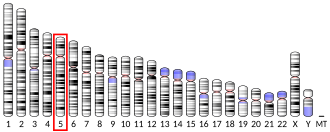
Peptidyl-prolyl cis-trans isomerase C (PPIC) is an enzyme that in humans is encoded by the PPIC gene on chromosome 5. As a member of the peptidyl-prolyl cis-trans isomerase (PPIase) family, this protein catalyzes the cis-trans isomerization of proline imidic peptide bonds, which allows it to facilitate folding or repair of proteins.567 In addition, PPIC participates in many biological processes, including mitochondrial metabolism, apoptosis, redox, and inflammation, as well as in related diseases and conditions, such as ischemic reperfusion injury, AIDS, and cancer.891011
Structure
Like other cyclophilins, PPIC forms a β-barrel structure with a hydrophobic core. This β-barrel is composed of eight anti-parallel β-strands and capped by two α-helices at the top and bottom. In addition, the β-turns and loops in the strands contribute to the flexibility of the barrel.10 PPIC in particular is composed of 212 residues and contains a hydrophobic, ER-targeting sequence at the N-terminal. The PPIase domain is homologous to PPIA and can be bound and inhibited by CsA.6
Function
The protein encoded by this gene is a member of the peptidyl-prolyl cis-trans isomerase (PPIase) family. PPIases catalyze the cis-trans isomerization of proline imidic peptide bonds in oligopeptides and accelerate the folding of proteins.7 Generally, PPIases are found in all eubacteria and eukaryotes, as well as in a few archaebacteria, and thus are highly conserved.812 The PPIase family is further divided into three structurally distinct subfamilies: cyclophilin (CyP), FK506-binding protein (FKBP), and parvulin (Pvn).810 As a cyclophilin, PPI binds cyclosporin A (CsA) and can be found within the cell or secreted by the cell.9 In eukaryotes, cyclophilins localize ubiquitously to many cell and tissue types, though PPIC especially is highly expressed in kidney.91013 In addition to PPIase and protein chaperone activities, cyclophilins function in mitochondrial metabolism, apoptosis, immunological response, inflammation, and cell growth and proliferation.8910 Along with PPIB, PPIC localizes to the endoplasmic reticulum (ER), where it maintains redox homeostasis. Depletion of these two cyclophilins lead to hyperoxidation of the ER.11 In the brain, PPIC complexes with cyclophilin C-associated protein (CyCAP) to activate microglia and macrophage function via the calcineurin/NFAT pathway.13
Clinical Significance
As a cyclophilin, PPIC binds the immunosuppressive drug CsA to form a CsA-cyclophilin complex, which then targets calcineurin to inhibit the signaling pathway for T-cell activation.9
In cardiac myogenic cells, cyclophilins have been observed to be activated by heat shock and hypoxia-reoxygenation as well as complex with heat shock proteins. Thus, cyclophilins may function in cardioprotection during ischemia-reperfusion injury.9 Similarly, PPIC may confer neuroprotection by forming a complex with CyCAP to activate survival mechanisms and mitigate ischemic damage in the brain.13
Currently, cyclophilin expression is highly correlated with cancer pathogenesis, but the specific mechanisms remain to be elucidated.9 For instance, studies identify PPIC as a reliable indicator of circulating tumor cells in epithelial ovarian cancer (EOC) and, thus, may serve as a biomarker for detection and treatment of the cancer.14
Interactions
PPIC has been shown to interact with:
References
References
- GRCh38: Ensembl release 89: ENSG00000168938 – Ensembl, May 2017
- GRCm38: Ensembl release 89: ENSMUSG00000024538 – Ensembl, May 2017
- "Human PubMed Reference:". National Center for Biotechnology Information, U.S. National Library of Medicine.
- "Mouse PubMed Reference:". National Center for Biotechnology Information, U.S. National Library of Medicine.
- Sugano S, Kim DW, Yu YS, Mizushima-Sugano J, Yoshitomo K, Watanabe S, Suzuki F, Yamaguchi N (Oct 1992). "Use of an epitope-tagged cDNA library to isolate cDNAs encoding proteins with nuclear localization potential". Gene. 120 (2): 227–33. doi:10.1016/0378-1119(92)90097-9. PMID 1383094.
- Schneider H, Charara N, Schmitz R, Wehrli S, Mikol V, Zurini MG, Quesniaux VF, Movva NR (Jul 1994). "Human cyclophilin C: primary structure, tissue distribution, and determination of binding specificity for cyclosporins". Biochemistry. 33 (27): 8218–24. doi:10.1021/bi00193a007. PMID 8031755.
- "Entrez Gene: PPIC peptidylprolyl isomerase C (cyclophilin C)".
- Kazui T, Inoue N, Yamada O, Komatsu S (Jan 1992). "Selective cerebral perfusion during operation for aneurysms of the aortic arch: a reassessment". The Annals of Thoracic Surgery. 53 (1): 109–14. doi:10.1016/0003-4975(92)90767-x. PMID 1530810.
- Yao Q, Li M, Yang H, Chai H, Fisher W, Chen C (Mar 2005). "Roles of cyclophilins in cancers and other organ systems". World Journal of Surgery. 29 (3): 276–80. doi:10.1007/s00268-004-7812-7. PMID 15706440. S2CID 11678319.
- Wang T, Yun CH, Gu SY, Chang WR, Liang DC (Aug 2005). "1.88 A crystal structure of the C domain of hCyP33: a novel domain of peptidyl-prolyl cis-trans isomerase". Biochemical and Biophysical Research Communications. 333 (3): 845–9. doi:10.1016/j.bbrc.2005.06.006. PMID 15963461.
- Stocki P, Chapman DC, Beach LA, Williams DB (Aug 2014). "Depletion of cyclophilins B and C leads to dysregulation of endoplasmic reticulum redox homeostasis". The Journal of Biological Chemistry. 289 (33): 23086–96. doi:10.1074/jbc.M114.570911. PMC 4132807. PMID 24990953.
- Hoffmann H, Schiene-Fischer C (Jul 2014). "Functional aspects of extracellular cyclophilins". Biological Chemistry. 395 (7–8): 721–35. doi:10.1515/hsz-2014-0125. PMID 24713575. S2CID 32395688.
- Yamaguchi R, Hosaka M, Torii S, Hou N, Saito N, Yoshimoto Y, Imai H, Takeuchi T (Jun 2011). "Cyclophilin C-associated protein regulation of phagocytic functions via NFAT activation in macrophages". Brain Research. 1397: 55–65. doi:10.1016/j.brainres.2011.03.036. PMID 21435337. S2CID 28737748.
- Obermayr E, Castillo-Tong DC, Pils D, Speiser P, Braicu I, Van Gorp T, Mahner S, Sehouli J, Vergote I, Zeillinger R (Jan 2013). "Molecular characterization of circulating tumor cells in patients with ovarian cancer improves their prognostic significance -- a study of the OVCAD consortium". Gynecologic Oncology. 128 (1): 15–21. doi:10.1016/j.ygyno.2012.09.021. PMID 23017820.
- Trahey M, Weissman IL (Mar 1999). "Cyclophilin C-associated protein: a normal secreted glycoprotein that down-modulates endotoxin and proinflammatory responses in vivo". Proceedings of the National Academy of Sciences of the United States of America. 96 (6): 3006–11. Bibcode:1999PNAS...96.3006T. doi:10.1073/pnas.96.6.3006. PMC 15885. PMID 10077627.
Further reading
Further reading
- Friedman J, Weissman I (Aug 1991). "Two cytoplasmic candidates for immunophilin action are revealed by affinity for a new cyclophilin: one in the presence and one in the absence of CsA". Cell. 66 (4): 799–806. doi:10.1016/0092-8674(91)90123-G. PMID 1652374. S2CID 205020327.
- Price ER, Jin M, Lim D, Pati S, Walsh CT, McKeon FD (Apr 1994). "Cyclophilin B trafficking through the secretory pathway is altered by binding of cyclosporin A". Proceedings of the National Academy of Sciences of the United States of America. 91 (9): 3931–5. Bibcode:1994PNAS...91.3931P. doi:10.1073/pnas.91.9.3931. PMC 43696. PMID 7909608.
- Friedman J, Trahey M, Weissman I (Jul 1993). "Cloning and characterization of cyclophilin C-associated protein: a candidate natural cellular ligand for cyclophilin C". Proceedings of the National Academy of Sciences of the United States of America. 90 (14): 6815–9. Bibcode:1993PNAS...90.6815F. doi:10.1073/pnas.90.14.6815. PMC 47023. PMID 8341703.
- Montague JW, Hughes FM, Cidlowski JA (Mar 1997). "Native recombinant cyclophilins A, B, and C degrade DNA independently of peptidylprolyl cis-trans-isomerase activity. Potential roles of cyclophilins in apoptosis". The Journal of Biological Chemistry. 272 (10): 6677–84. doi:10.1074/jbc.272.10.6677. PMID 9045699.
- Trahey M, Weissman IL (Mar 1999). "Cyclophilin C-associated protein: a normal secreted glycoprotein that down-modulates endotoxin and proinflammatory responses in vivo". Proceedings of the National Academy of Sciences of the United States of America. 96 (6): 3006–11. Bibcode:1999PNAS...96.3006T. doi:10.1073/pnas.96.6.3006. PMC 15885. PMID 10077627.
- Lim J, Hao T, Shaw C, Patel AJ, Szabó G, Rual JF, Fisk CJ, Li N, Smolyar A, Hill DE, Barabási AL, Vidal M, Zoghbi HY (May 2006). "A protein-protein interaction network for human inherited ataxias and disorders of Purkinje cell degeneration". Cell. 125 (4): 801–14. doi:10.1016/j.cell.2006.03.032. PMID 16713569. S2CID 13709685.
- Davis TL, Walker JR, Campagna-Slater V, et al. (2010). "Structural and biochemical characterization of the human cyclophilin family of peptidyl-prolyl isomerases". PLOS Biol. 8 (7) e1000439. doi:10.1371/journal.pbio.1000439. PMC 2911226. PMID 20676357.