
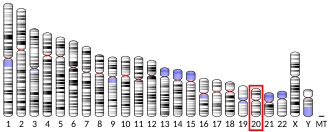



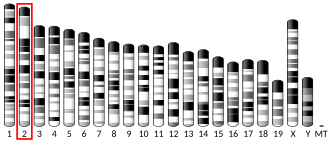


Phosphoenolpyruvate carboxykinase 1 (soluble), also known as PCK1, is an enzyme which in humans is encoded by the PCK1 gene.56
Function
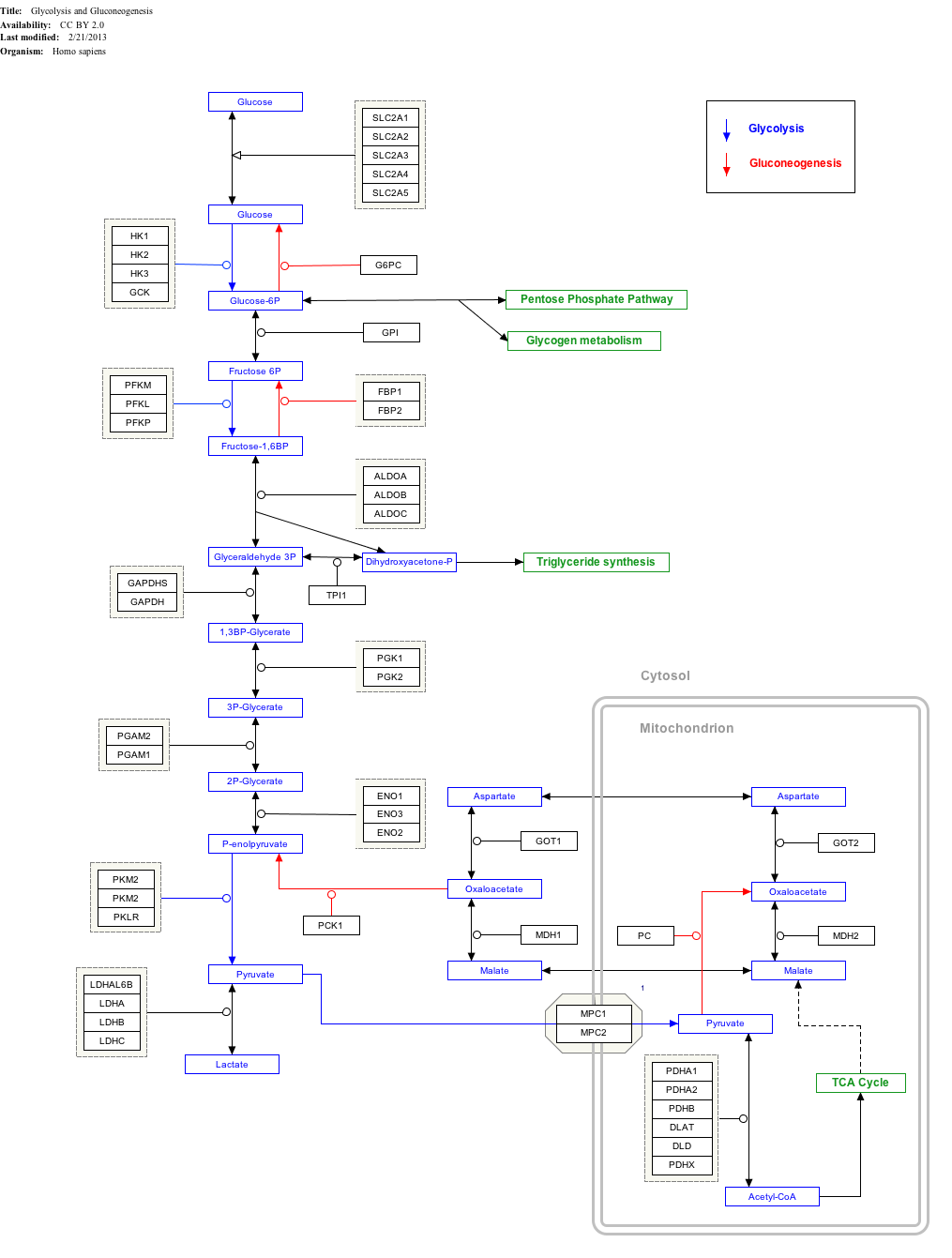
This enzyme is a main control point for the regulation of gluconeogenesis. The cytosolic enzyme encoded by this gene, along with GTP, catalyzes the formation of phosphoenolpyruvate from oxaloacetate, with the release of carbon dioxide and GDP. The expression of this gene can be regulated by insulin, glucocorticoids, glucagon, cAMP, and diet. A mitochondrial isozyme of the encoded protein also has been characterized.5 The gene encoding PCK1 responds to thyroid hormones.7
Interactive pathway map
Click on genes, proteins and metabolites below to link to respective articles.§ 1
[[File:
]]
[[]]
[[]]
[[]]
[[]]
[[]]
[[]]
[[]]
[[]]
[[]]
[[]]
[[]]
[[]]
[[]]
[[]]
[[]]
[[]]
[[]]
[[]]
[[]]
[[]]
[[]]
[[]]
[[]]
[[]]
[[]]
[[]]
[[]]
[[]]
[[]]
[[]]
[[]]
[[]]
[[]]
[[]]
[[]]
[[]]
[[]]
[[]]
[[]]
[[]]
[[]]
[[]]
[[]]
[[]]
[[]]
[[]]
[[]]
[[]]
[[]]
[[]]
[[]]
[[]]
[[]]
[[]]
[[]]
[[]]
[[]]
[[]]
[[]]
[[]]
[[]]
[[]]
[[]]
[[]]
[[]]
[[]]
[[]]
[[]]
[[]]
[[]]
[[]]
[[]]
[[]]
[[]]
[[]]
Glycolysis and Gluconeogenesis edit
- The interactive pathway map can be edited at WikiPathways: "GlycolysisGluconeogenesis_WP534".
References
References
- GRCh38: Ensembl release 89: ENSG00000124253 – Ensembl, May 2017
- GRCm38: Ensembl release 89: ENSMUSG00000027513 – Ensembl, May 2017
- "Human PubMed Reference:". National Center for Biotechnology Information, U.S. National Library of Medicine.
- "Mouse PubMed Reference:". National Center for Biotechnology Information, U.S. National Library of Medicine.
- "Entrez Gene: PCK1 phosphoenolpyruvate carboxykinase 1 (soluble)".
- Pilz AJ, Willer E, Povey S, Abbott CM (October 1992). "The genes coding for phosphoenolpyruvate carboxykinase-1 (PCK1) and neuronal nicotinic acetylcholine receptor alpha 4 subunit (CHRNA4) map to human chromosome 20, extending the known region of homology with mouse chromosome 2". Annals of Human Genetics. 56 (Pt 4): 289–293. doi:10.1111/j.1469-1809.1992.tb01155.x. PMID 1492743. S2CID 23586336.
- Park EA, Jerden DC, Bahouth SW (August 1995). "Regulation of phosphoenolpyruvate carboxykinase gene transcription by thyroid hormone involves two distinct binding sites in the promoter". The Biochemical Journal. 309 ( Pt 3) (Pt 3): 913–919. doi:10.1042/bj3090913. PMC 1135718. PMID 7639710.
Further reading
Further reading
- Beale EG, Hammer RE, Antoine B, Forest C (2004). "Disregulated glyceroneogenesis: PCK1 as a candidate diabetes and obesity gene". Trends in Endocrinology and Metabolism. 15 (3): 129–135. doi:10.1016/j.tem.2004.02.006. PMID 15046742. S2CID 9194909.
- Pilz AJ, Willer E, Povey S, Abbott CM (1993). "The genes coding for phosphoenolpyruvate carboxykinase-1 (PCK1) and neuronal nicotinic acetylcholine receptor alpha 4 subunit (CHRNA4) map to human chromosome 20, extending the known region of homology with mouse chromosome 2". Annals of Human Genetics. 56 (Pt 4): 289–293. doi:10.1111/j.1469-1809.1992.tb01155.x. PMID 1492743. S2CID 23586336.
- Giralt M, Park EA, Gurney AL, Liu JS, Hakimi P, Hanson RW (November 1991). "Identification of a thyroid hormone response element in the phosphoenolpyruvate carboxykinase (GTP) gene. Evidence for synergistic interaction between thyroid hormone and cAMP cis-regulatory elements". The Journal of Biological Chemistry. 266 (32): 21991–21996. doi:10.1016/S0021-9258(18)54735-9. PMID 1657985.
- Beale EG, Chrapkiewicz NB, Scoble HA, Metz RJ, Quick DP, Noble RL, et al. (September 1985). "Rat hepatic cytosolic phosphoenolpyruvate carboxykinase (GTP). Structures of the protein, messenger RNA, and gene". The Journal of Biological Chemistry. 260 (19): 10748–10760. doi:10.1016/S0021-9258(19)85145-1. PMID 2993287.
- Ting CN, Burgess DL, Chamberlain JS, Keith TP, Falls K, Meisler MH (June 1993). "Phosphoenolpyruvate carboxykinase (GTP): characterization of the human PCK1 gene and localization distal to MODY on chromosome 20". Genomics. 16 (3): 698–706. doi:10.1006/geno.1993.1250. hdl:2027.42/30779. PMID 8325643.
- Yu H, Thun R, Chandrasekharappa S, Trent JM, Zhang J, Meisler MH (January 1993). "Human PCK1 encoding phosphoenolpyruvate carboxykinase is located on chromosome 20q13.2". Genomics. 15 (1): 219–221. doi:10.1006/geno.1993.1040. hdl:2027.42/31063. PMID 8432541.
- Stoffel M, Xiang KS, Espinosa R, Cox NJ, Le Beau MM, Bell GI (January 1993). "cDNA sequence and localization of polymorphic human cytosolic phosphoenolpyruvate carboxykinase gene (PCK1) to chromosome 20, band q13.31: PCK1 is not tightly linked to maturity-onset diabetes of the young". Human Molecular Genetics. 2 (1): 1–4. doi:10.1093/hmg/2.1.1. PMID 8490617.
- O'Brien RM, Printz RL, Halmi N, Tiesinga JJ, Granner DK (December 1995). "Structural and functional analysis of the human phosphoenolpyruvate carboxykinase gene promoter". Biochimica et Biophysica Acta. 1264 (3): 284–288. doi:10.1016/0167-4781(95)00194-8. PMID 8547315.
- Parissi V, Calmels C, De Soultrait VR, Caumont A, Fournier M, Chaignepain S, et al. (December 2001). "Functional interactions of human immunodeficiency virus type 1 integrase with human and yeast HSP60". Journal of Virology. 75 (23): 11344–11353. doi:10.1128/JVI.75.23.11344-11353.2001. PMC 114720. PMID 11689615.
- Dunten P, Belunis C, Crowther R, Hollfelder K, Kammlott U, Levin W, et al. (February 2002). "Crystal structure of human cytosolic phosphoenolpyruvate carboxykinase reveals a new GTP-binding site". Journal of Molecular Biology. 316 (2): 257–264. doi:10.1006/jmbi.2001.5364. PMID 11851336.
- Jurado LA, Song S, Roesler WJ, Park EA (2002). "Conserved amino acids within CCAAT enhancer-binding proteins (C/EBP(alpha) and beta) regulate phosphoenolpyruvate carboxykinase (PEPCK) gene expression". The Journal of Biological Chemistry. 277 (31): 27606–27612. doi:10.1074/jbc.M201429200. PMID 11997389.
- Wilson HL, McFie PJ, Roesler WJ (2003). "Different transcription factor binding arrays modulate the cAMP responsivity of the phosphoenolpyruvate carboxykinase gene promoter". The Journal of Biological Chemistry. 277 (46): 43895–43902. doi:10.1074/jbc.M203169200. PMID 12237288.
- Borgius LJ, Steffensen KR, Gustafsson JA, Treuter E (2003). "Glucocorticoid signaling is perturbed by the atypical orphan receptor and corepressor SHP". The Journal of Biological Chemistry. 277 (51): 49761–49766. doi:10.1074/jbc.M205641200. PMID 12324453.
- Chakravarty K, Wu SY, Chiang CM, Samols D, Hanson RW (April 2004). "SREBP-1c and Sp1 interact to regulate transcription of the gene for phosphoenolpyruvate carboxykinase (GTP) in the liver". The Journal of Biological Chemistry. 279 (15): 15385–15395. doi:10.1074/jbc.M309905200. PMID 14744869.
- Cao H, van der Veer E, Ban MR, Hanley AJ, Zinman B, Harris SB, et al. (February 2004). "Promoter polymorphism in PCK1 (phosphoenolpyruvate carboxykinase gene) associated with type 2 diabetes mellitus". The Journal of Clinical Endocrinology and Metabolism. 89 (2): 898–903. doi:10.1210/jc.2003-031361. PMID 14764811.
- Hajarnis S, Schroeder JM, Curthoys NP (2005). "3'-Untranslated region of phosphoenolpyruvate carboxykinase mRNA contains multiple instability elements that bind AUF1". The Journal of Biological Chemistry. 280 (31): 28272–28280. doi:10.1074/jbc.M501204200. PMID 15951444.