




| Nuclear receptor-interacting protein 1 repression 1 | |||||||
|---|---|---|---|---|---|---|---|
| Identifiers | |||||||
| Symbol | NRIP1_repr_1 | ||||||
| Pfam | PF15687 | ||||||
| |||||||
| Nuclear receptor-interacting protein 1 repression 2 | |||||||
|---|---|---|---|---|---|---|---|
| Identifiers | |||||||
| Symbol | NRIP1_repr_2 | ||||||
| Pfam | PF15688 | ||||||
| |||||||
| Nuclear receptor-interacting protein 1 repression 3 | |||||||
|---|---|---|---|---|---|---|---|
| Identifiers | |||||||
| Symbol | NRIP1_repr_3 | ||||||
| Pfam | PF15689 | ||||||
| |||||||
| Nuclear receptor-interacting protein 1 repression 4 | |||||||
|---|---|---|---|---|---|---|---|
| Identifiers | |||||||
| Symbol | NRIP1_repr_4 | ||||||
| Pfam | PF15690 | ||||||
| |||||||
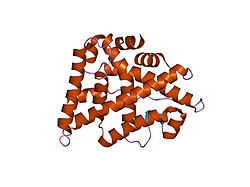
Nuclear receptor-interacting protein 1 (NRIP1), also known as receptor-interacting protein 140 (RIP140), is a protein that in humans is encoded by the NRIP1 gene.56 It is a large transcription coregulator that functions primarily as a corepressor for a wide array of nuclear receptors and other transcription factors, thereby silencing the expression of target genes. Because it sits at the hub of multiple signaling pathways, NRIP1 profoundly influences metabolism, reproduction, inflammation, cancer, and circadian rhythms. The protein is modular, containing several distinct repression domains and multiple receptor-interaction motifs. Its activity is tightly controlled by post-translational modifications, subcellular localization, and tissue‑specific expression. Mice lacking the gene are lean, resistant to obesity, and have impaired ovulation, while elevated levels are associated with cachexia and certain cancers.
Gene location and structure
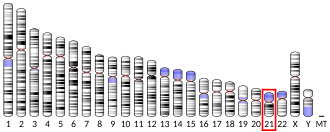
The human NRIP1 gene is located on the long arm of chromosome 21 at band 21q21.1.6 It is situated in a relatively gene‑poor region. The gene spans approximately 84,000 base pairs and consists of 19 coding exons. The genomic organization is conserved across mammals. Upstream promoter elements contain binding sites for transcription factors such as estrogen‑related receptor alpha (ERRα), specificity protein 1 (Sp1), and the glucocorticoid receptor, allowing integration of hormonal and metabolic signals.7
The primary mRNA transcript is about 5.3 kilobases and gives rise to a single major protein isoform of 1,158 amino acids. No functional alternative splice variants have been thoroughly characterized in humans, although minor transcripts of uncertain significance have been reported. The gene is transcribed in virtually all tissues, but expression levels are highest in white adipose tissue, skeletal muscle, liver, heart, and ovary. In fat and muscle, NRIP1 acts as a metabolic brake; in the ovary it is essential for ovulation.
Protein structure and domain organization
The NRIP1 protein has a predicted molecular mass of approximately 132 kDa. It contains several discrete functional domains that mediate its interactions with nuclear receptors, corepressor complexes, and chromatin‑modifying enzymes.89
Receptor interaction motifs
NRIP1 binds to nuclear receptors mainly through four LXXLL motifs (also called NR boxes) located in the central and C‑terminal parts of the protein. The LXXLL motif forms an amphipathic α‑helix that docks into the hydrophobic cleft of the receptor’s ligand‑binding domain (LBD) in a ligand‑dependent fashion.9 Additionally, an N‑terminal receptor‑interacting domain (RID) can also contact nuclear receptors using sequences distinct from LXXLL, which broadens the spectrum of partners and may permit ligand‑independent binding.
Repression domains
NRIP1 possesses four independent repression domains designated RD1 through RD4. Each can autonomously silence transcription when tethered to DNA.8 The Pfam database classifies these domains as four separate families: NRIP1_repr_1, NRIP1_repr_2, NRIP1_repr_3, and NRIP1_repr_4. The repression domains are enriched in proline, glutamic acid, serine, and threonine (PEST sequences) and serve as platforms for the assembly of multi‑protein repression complexes. RD1 and RD2 are located in the central region; RD3 and RD4 reside near the C‑terminus. They function cooperatively, and deletion of any one domain reduces but does not abolish overall repressive activity.
CtBP‑binding motifs
Several CtBP‑binding motifs of the form PLDLS or related sequences are scattered through the protein. These motifs mediate the recruitment of the C‑terminal binding proteins CTBP1 and CTBP2.810 CtBP recruitment is enhanced by acetylation of NRIP1 on multiple lysine residues, which increases the affinity for the PLDLS‑binding cleft of CtBP.11 CtBP in turn recruits histone deacetylases (HDAC1, HDAC2, HDAC5) and other chromatin‑modifying factors, forming a compact silencing complex.
Other functional motifs
A nuclear localization signal (NLS) is present in the N‑terminal region, ensuring that the protein resides predominantly in the nucleus. A 14‑3‑3 binding motif near the C‑terminus allows interaction with YWHAQ (14‑3‑3θ), which can relocalize NRIP1 to the cytoplasm under certain conditions.12 Several sumoylation and ubiquitination sites have been mapped, and these modifications influence protein stability and activity.
Expression and transcriptional regulation
NRIP1 expression is tightly controlled at the transcriptional level. The core promoter contains a functional TATA box and multiple Sp1 binding sites.7 ERRα binds to an estrogen‑related receptor response element (ERRE) in the proximal promoter and strongly activates transcription during adipogenesis. This creates a negative‑feedback loop: ERRα promotes fat cell differentiation, and the resulting NRIP140 protein then limits the expression of ERRα target genes involved in mitochondrial oxidation, preventing excessive energy expenditure.
The glucocorticoid receptor also positively regulates NRIP1 expression in some tissues. In macrophages, NF-κB signaling upregulates the gene, linking NRIP1 to inflammatory pathways. Conversely, peroxisome proliferator‑activated receptor gamma (PPARγ) agonists may reduce NRIP1 levels in adipocytes, contributing to their insulin‑sensitizing effects.
At the post‑transcriptional level, microRNAs such as miR‑30b and miR‑33 have been predicted to target the 3′ untranslated region of the NRIP1 mRNA, though functional validation remains incomplete.
Protein modifications and regulation of activity
NRIP1 is subject to extensive post‑translational modifications that modulate its stability, subcellular location, and interaction with coregulators.
Phosphorylation
Multiple serine and threonine residues are phosphorylated by kinases including ERK1/2, p38 MAPK, and protein kinase A. Phosphorylation can alter protein conformation and affect binding to nuclear receptors or corepressors. For example, ERK‑mediated phosphorylation of the central region enhances the recruitment of CtBP and strengthens repression.13
Acetylation
Acetylation of lysine residues by acetyltransferases such as CBP/p300 promotes the interaction with CtBP. Conversely, sirtuin deacetylases (SIRT1) can remove these acetyl groups, reducing CtBP binding and thereby relieving repression.14 This provides a direct link between cellular energy status (NAD⁺ levels) and NRIP1 activity.
Sumoylation and ubiquitination
Sumoylation at lysine residues can promote stability or alter nuclear‑cytoplasmic shuttling. Poly‑ubiquitination targets the protein for proteasome‑mediated degradation. The ubiquitin ligase MDM2 has been shown to ubiquitinate NRIP1, reducing its half‑life in certain cancer cells.15
Subcellular localization
In most cells, NRIP1 is predominantly nuclear. However, under certain conditions, such as activation of the glucocorticoid receptor, NRIP1 can be exported to the cytoplasm by binding to 14‑3‑3 proteins. This sequestration away from chromatin provides a rapid, reversible mechanism for relieving gene repression without protein degradation.12
Mechanism of transcriptional repression
NRIP1 is recruited to target promoters through its physical interaction with DNA‑bound transcription factors, primarily nuclear receptors. Once on the chromatin, it orchestrates a series of events that lead to gene silencing:
- Competition with coactivators – The LXXLL motifs of NRIP1 compete with those of coactivators such as steroid receptor coactivator 1 (SRC‑1/NCOA1) for the same binding pocket on the receptor’s LBD. Because NRIP1 has multiple LXXLL motifs, it can effectively displace coactivators even at low stoichiometry.
- Recruitment of CtBP and HDACs – The repression domains, especially RD3 and RD4, bind CtBP1/2. CtBP forms a complex that includes HDAC1, HDAC2, HDAC5, and other chromatin‑remodeling enzymes. This complex deacetylates histone H3 and H4, leading to chromatin compaction and transcriptional silencing.810
- Additional repressive activities – NRIP1 can also inhibit transcription independently of HDACs, perhaps by interfering with the assembly of the general transcription machinery or by modulating the activity of the Mediator complex.16
In certain contexts, NRIP1 can act as a coactivator. The best‑characterized example is its interaction with the NF‑κB subunit RelA. NRIP1 binds RelA, prevents its sumoylation‑dependent inactivation, and promotes the recruitment of CBP/p300 to NF‑κB target promoters, thereby enhancing proinflammatory cytokine expression.17
Biological functions
Energy metabolism
NRIP1 is a master regulator of whole‑body energy balance. In white adipose tissue (WAT), it represses the expression of genes that promote mitochondrial uncoupling and fatty acid oxidation, such as uncoupling protein 1 (UCP1), carnitine palmitoyltransferase I (CPT1b), and the peroxisome proliferator‑activated receptor gamma coactivator 1‑alpha (PGC‑1α).1819 By silencing these genes, NRIP1 favors lipid storage over energy dissipation.
In skeletal muscle, NRIP1 similarly suppresses oxidative metabolism. Muscle‑specific deletion of the gene leads to increased numbers of mitochondria, higher expression of oxidative phosphorylation enzymes, and greater endurance during exercise.20
In the liver, NRIP1 represses genes involved in glycolysis, gluconeogenesis, and fatty acid oxidation. It is required for the full repression of hepatic glucose output by the liver X receptor (LXR).21
Adipogenesis
During adipocyte differentiation, NRIP1 expression is dramatically upregulated. This increase limits the expression of brown‑fat‑like genes in white adipocytes. When NRIP1 is knocked down, differentiating preadipocytes acquire a more oxidative, brown‑fat‑like phenotype, with elevated UCP1 and increased mitochondrial DNA content.7
Female fertility
Female NRIP1‑null mice are infertile because they fail to ovulate.22 In response to the luteinizing hormone surge, cumulus cells must undergo expansion, a process that requires the upregulation of amphiregulin and other EGF‑like factors. NRIP1 acts as a positive cofactor for certain transcription factors that drive amphiregulin expression, thus in this specific ovarian context it serves as a coactivator rather than a corepressor.2324
Cardiac function
NRIP1 influences cardiac metabolism and structure. Elevated NRIP1 expression in the heart, as observed in some transgenic models, leads to cardiac hypertrophy and impaired contractile function, likely due to a metabolic switch from fatty acid oxidation to glucose utilization.25 Conversely, cardiac‑specific deletion is protective against pressure‑overload‑induced heart failure in animal models.
Inflammation and immunity
In macrophages, NRIP1 acts as a coactivator for the NF‑κB subunit RelA, stimulating the expression of proinflammatory cytokines such as tumor necrosis factor (TNF), interleukin‑6 (IL‑6), and interleukin‑1β (IL‑1β).17 Mice lacking NRIP140 in myeloid cells show reduced systemic inflammation in models of sepsis and obesity‑induced insulin resistance. Thus, NRIP1 sits at the nexus of metabolism and immunity.
Circadian rhythm
NRIP1 interacts with the core clock component BMAL1 and represses the transcriptional activity of the CLOCK/BMAL1 heterodimer. It directly binds to E‑box elements in the promoters of clock genes such as PER1 and CRY1. Mice lacking NRIP1 display altered circadian behavior and dampened amplitude of peripheral clock gene oscillations.26 This links metabolic regulation directly to the circadian timing system.
Cell proliferation and cancer
NRIP1 can both suppress and promote tumorigenesis depending on the cellular context. It represses the activity of the E2F1 oncogene, and loss of NRIP1 in breast cancer leads to increased cell proliferation and a more aggressive basal‑like phenotype.27 Conversely, in some hormone‑dependent cancers, NRIP1 may enhance tumor growth by coactivating NF‑κB or by modulating estrogen receptor signaling. Its expression levels correlate with patient prognosis in breast, ovarian, and colorectal cancers.
Interactions
NRIP1 interacts with a large network of proteins. The following table summarizes many of the key partners and the functional consequence of the interaction.
| Interacting protein | Functional consequence | Reference |
|---|---|---|
| Estrogen receptor alpha (ERα) | Recruitment to ERα‑target genes; corepression | 5 |
| Glucocorticoid receptor (GR) | Repression of GR‑mediated transcription; 14‑3‑3‑dependent relocalization | 1228 |
| Retinoic acid receptor alpha (RARα) | Repression of retinoid‑dependent transcription | 29 |
| Retinoid X receptor alpha (RXRα) | Heterodimer partner; RAR‑RXR corepression | 9 |
| Peroxisome proliferator‑activated receptor alpha (PPARα) | Repression of lipid oxidation genes | 30 |
| Liver X receptor alpha (LXRα) | Repression of hepatic lipogenesis | 21 |
| Aryl hydrocarbon receptor (AhR) | Repression of AhR‑target genes | 31 |
| Steroidogenic factor 1 (SF‑1/NR5A1) | Repression of steroidogenic genes | 32 |
| DAX1 (NR0B1) | Co‑repression with SF‑1 | 32 |
| CTBP1 and CTBP2 | Corepressor recruitment, histone deacetylation | 8 |
| Histone deacetylase 5 (HDAC5) | Chromatin compaction | 8 |
| HDAC1, HDAC2, HDAC3 | Histone deacetylation | 33 |
| RELA (NF‑κB subunit) | Coactivation of proinflammatory cytokines | 17 |
| E2F1 | Repression of cell‑cycle genes | 27 |
| YWHAQ (14‑3‑3θ) | Cytoplasmic relocalization | 12 |
Knockout and transgenic models
Whole‑body knockout
Mice with a global deletion of Nrip1 are viable but display a striking phenotype. They are lean, resistant to high‑fat‑diet‑induced obesity, and show improved glucose tolerance and insulin sensitivity.34 White fat depots are smaller, and gene expression analysis reveals a broad upregulation of oxidative metabolism and mitochondrial uncoupling genes. Female null mice are completely infertile due to a failure of ovulation.22
Tissue‑specific knockouts
- Adipose‑specific KO – Recapitulates the lean phenotype and browning of white fat, confirming the cell‑autonomous role of NRIP1 in adipocytes.35
- Muscle‑specific KO – Increases oxidative muscle fibers and endurance capacity.20
- Myeloid‑specific KO – Protects against diet‑induced inflammation and insulin resistance.
Transgenic overexpression
Cardiac‑specific overexpression of NRIP1 leads to hypertrophy and heart failure, as noted. Overexpression in adipose tissue exacerbates obesity, while overexpression in cancer cells can either promote or suppress tumor growth depending on the cell type.25
Clinical significance
Obesity and type 2 diabetes
In morbidly obese humans, NRIP1 mRNA is downregulated in visceral adipose tissue, perhaps as a compensatory mechanism to increase energy expenditure.36 Genetic variations in the NRIP1 locus have been associated with altered body mass index and risk of type 2 diabetes in genome‑wide association studies, though the effect sizes are modest.
Cancer cachexia
NRIP1 is part of the signaling cascade that drives cachexia, the wasting syndrome seen in cancer and other chronic diseases. Upregulation of NRIP1 in muscle and fat leads to excessive energy expenditure and tissue breakdown. Blocking NRIP1 activity in animal models reduces cachexia‑associated weight loss.37
Breast cancer
NRIP1 represses E2F1 activity, and its expression is frequently downregulated in basal‑like breast cancers, which are more aggressive and have a poor prognosis.27 Conversely, in luminal‑type breast cancers, higher NRIP1 levels correlate with a more differentiated phenotype and better survival. NRIP1 may therefore serve as a subtype‑specific prognostic marker.
Inflammatory diseases
Given its role in NF‑κB signaling, NRIP1 is implicated in chronic inflammatory conditions such as rheumatoid arthritis, inflammatory bowel disease, and atherosclerosis. Macrophage‑specific deletion of NRIP1 reduces plaque formation in mouse models of atherosclerosis.
Aging
NRIP1 expression changes during aging in a tissue‑specific manner. In mouse liver, NRIP1 levels increase with age, potentially contributing to age‑related metabolic dysfunction and insulin resistance.38
Evolutionary conservation
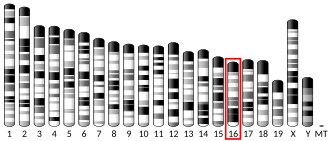
NRIP1 orthologs are found throughout the vertebrate lineage, from fish to humans. The four repression domains and the LXXLL motifs are highly conserved, underscoring their functional importance. Invertebrates lack a clear NRIP1 ortholog, suggesting that this coregulator arose early in vertebrate evolution, perhaps in conjunction with the expansion of the nuclear receptor family. The mouse protein shares approximately 85% amino acid identity with the human protein. The gene is found in a syntenic chromosomal region on mouse chromosome 16 and chicken chromosome 1.
Pharmacological targeting
Because NRIP1 deletion in mice produces a favorable metabolic profile (leanness, insulin sensitivity, resistance to obesity) without overt toxicity, there is considerable interest in developing small‑molecule inhibitors of NRIP1 for the treatment of type 2 diabetes and obesity. Efforts have focused on:
- Disrupting the interaction between NRIP1 and specific nuclear receptors, such as ERRa or PPARα, using peptides or peptidomimetics.
- Interfering with the NRIP1–CtBP interaction through small molecules that block the PLDLS‑binding pocket of CtBP.
- Promoting NRIP1 degradation via PROteolysis TArgeting Chimeras (PROTACs).
A few compounds have shown efficacy in cellular models, but none have yet entered clinical trials. Challenges include achieving tissue specificity and avoiding side effects in the ovary and immune system.
History
NRIP1 was discovered in 1995 by Vincent Cavaillès and colleagues, who identified a 140 kDa protein that interacted with the estrogen receptor and modulated its transcriptional activity.5 The protein was initially named “receptor‑interacting protein 140” (RIP140). Subsequent work mapped the gene to chromosome 21 and revealed its ability to interact with many other nuclear receptors.6 The critical metabolic role emerged in 2004 when Malcolm Parker’s group reported that RIP140‑null mice were lean and resistant to obesity.34 The discovery of its coactivator function for NF‑κB in 2008 expanded the functional repertoire, and recent studies have connected NRIP1 to circadian rhythm and cancer metabolism.17
References
References
- GRCh38: Ensembl release 89: ENSG00000180530 – Ensembl, May 2017
- GRCm38: Ensembl release 89: ENSMUSG00000048490 – Ensembl, May 2017
- "Human PubMed Reference:". National Center for Biotechnology Information, U.S. National Library of Medicine.
- "Mouse PubMed Reference:". National Center for Biotechnology Information, U.S. National Library of Medicine.
- Cavailles V, Dauvois S, L'Horset F, Lopez G, Hoare S, Kushner PJ, Parker MG (Sep 1995). "Nuclear factor RIP140 modulates transcriptional activation by the estrogen receptor". EMBO J. 14 (15): 3741–51. doi:10.1002/j.1460-2075.1995.tb00044.x. PMC 394449. PMID 7641693.
- Katsanis N, Ives JH, Groet J, Nizetic D, Fisher EM (Apr 1998). "Localisation of receptor interacting protein 140 (RIP140) within 100 kb of D21S13 on 21q11, a gene-poor region of the human genome". Hum Genet. 102 (2): 221–3. doi:10.1007/s004390050682. PMID 9521594. S2CID 1042332.
- Nichol D, Christian M, Steel JH, White R, Parker MG (Oct 2006). "RIP140 expression is stimulated by estrogen-related receptor alpha during adipogenesis". J Biol Chem. 281 (43): 32140–32147. doi:10.1074/jbc.M604803200. PMID 16923809.
- Castet A, Boulahtouf A, Versini G, Bonnet S, Augereau P, Vignon F, Khochbin S, Jalaguier S, Cavaillès V (2004). "Multiple domains of the Receptor-Interacting Protein 140 contribute to transcription inhibition". Nucleic Acids Res. 32 (6): 1957–66. doi:10.1093/nar/gkh524. PMC 390375. PMID 15060175.
- L'Horset F, Dauvois S, Heery DM, Cavaillès V, Parker MG (Nov 1996). "RIP-140 interacts with multiple nuclear receptors by means of two distinct sites". Mol. Cell. Biol. 16 (11): 6029–36. doi:10.1128/MCB.16.11.6029. PMC 231605. PMID 8887632.
- Rual JF, Venkatesan K, Hao T, Hirozane-Kishikawa T, Dricot A, Li N, Berriz GF, Gibbons FD, Dreze M, Ayivi-Guedehoussou N, Klitgord N, Simon C, Boxem M, Milstein S, Rosenberg J, Goldberg DS, Zhang LV, Wong SL, Franklin G, Li S, Albala JS, Lim J, Fraughton C, Llamosas E, Cevik S, Bex C, Lamesch P, Sikorski RS, Vandenhaute J, Zoghbi HY, Smolyar A, Bosak S, Sequerra R, Doucette-Stamm L, Cusick ME, Hill DE, Roth FP, Vidal M (October 2005). "Towards a proteome-scale map of the human protein-protein interaction network". Nature. 437 (7062): 1173–8. Bibcode:2005Natur.437.1173R. doi:10.1038/nature04209. PMID 16189514. S2CID 4427026.
- Vo N, Fjeld C, Goodman RH (2001). "Acetylation of nuclear hormone receptor-interacting protein RIP140 regulates binding of the transcriptional corepressor CtBP". Mol Cell Biol. 21 (18): 6181–8. doi:10.1128/MCB.21.18.6181-6188.2001. PMC 87335. PMID 11509661.
- Zilliacus J, Holter E, Wakui H, Tazawa H, Treuter E, Gustafsson JA (Apr 2001). "Regulation of glucocorticoid receptor activity by 14--3-3-dependent intracellular relocalization of the corepressor RIP140". Mol. Endocrinol. 15 (4): 501–11. doi:10.1210/mend.15.4.0624. PMID 11266503.
- Ho PC, Gupta P, Tsui YC, et al. (2008). "Phosphorylation of RIP140 by ERK2 modulates its corepressor activity". J Biol Chem. 283 (20): 13879–88. doi:10.1074/jbc.M709995200. PMC 2376235. PMID 18347012.
- Vo N, Fjeld C, Goodman RH (2001). "Acetylation of nuclear hormone receptor-interacting protein RIP140 regulates binding of the transcriptional corepressor CtBP". Mol Cell Biol. 21 (18): 6181–8. doi:10.1128/MCB.21.18.6181-6188.2001. PMC 87335. PMID 11509661.
- Docquier A, Harmand PO, Fritsch S, et al. (2010). "The transcriptional coregulator RIP140 represses E2F1 activity and discriminates breast cancer subtypes". Clin Cancer Res. 16 (11): 2959–70. doi:10.1158/1078-0432.CCR-09-3153. PMC 3112174. PMID 20410059.
- Treuter E, Albrektsen T, Johansson L, et al. (1998). "A regulatory role for RIP140 in nuclear receptor activation". Mol Endocrinol. 12 (6): 864–81. doi:10.1210/mend.12.6.0123. PMID 9626662.
- Zschiedrich I, Hardeland U, Krones-Herzig A, Berriel DM, Vegiopoulos A, Müggenburg J, Sombroek D, Hofmann TG, Zawatzky R, Yu X, Gretz N, Christian M, White R, Parker MG, Herzig S (2008). "Coactivator function of RIP140 for NFkappaB/RelA-dependent cytokine gene expression". Blood. 112 (2): 264–276. doi:10.1182/blood-2007-11-121699. PMID 18469200.
- Debevec D, Christian M, Morganstein D, Seth A, Herzog B, Parker M, White R (July 2007). "Receptor interacting protein 140 regulates expression of uncoupling protein 1 in adipocytes through specific peroxisome proliferator activated receptor isoforms and estrogen-related receptor alpha". Mol. Endocrinol. 21 (7): 1581–92. doi:10.1210/me.2007-0103. PMC 2072047. PMID 17456798.
- Powelka AM, Seth A, Virbasius JV, Kiskinis E, Nicoloro SM, Guilherme A, Tang X, Straubhaar J, Cherniack AD, Parker MG, Czech MP (2006). "Suppression of oxidative metabolism and mitochondrial biogenesis by the transcriptional corepressor RIP140 in mouse adipocytes". J Clin Invest. 116 (1): 125–136. doi:10.1172/JCI26040. PMC 1319222. PMID 16374519.
- Seth A, Steel JH, Nichol D, Pocock V, Kumaran MK, Fritah A, Mobberley M, Ryder TA, Rowlerson A, Scott J, Poutanen M, White R, Parker M (Sep 2007). "The transcriptional corepressor RIP140 regulates oxidative metabolism in skeletal muscle". Cell Metab. 6 (3): 236–245. doi:10.1016/j.cmet.2007.08.004. PMC 2680991. PMID 17767910.
- Herzog B, Hallberg M, Seth A, Woods A, White R, Parker MG (Nov 2007). "The nuclear receptor cofactor, receptor-interacting protein 140, is required for the regulation of hepatic lipid and glucose metabolism by liver X receptor". Mol Endocrinol. 21 (11): 2687–97. doi:10.1210/me.2007-0213. PMC 2140279. PMID 17684114.
- White R, Leonardsson G, Rosewell I, Ann Jacobs M, Milligan S, Parker M (Dec 2000). "The nuclear receptor co-repressor nrip1 (RIP140) is essential for female fertility". Nat. Med. 6 (12): 1368–74. doi:10.1038/82183. PMID 11100122. S2CID 20285964.
- Tullet JM, Pocock V, Steel JH, White R, Milligan S, Parker MG (2005). "Multiple Signaling Defects in the Absence of RIP140 Impair Both Cumulus Expansion and Follicle Rupture". Endocrinology. 146 (9): 4127–4137. doi:10.1210/EN.2005-0348. PMID 15919748.
- Nautiyal J, Steel JH, Rosell MM, Nikolopoulou E, Lee K, Demayo FJ, White R, Richards JS, Parker MG (2010). "The nuclear receptor cofactor receptor-interacting protein 140 is a positive regulator of amphiregulin expression and cumulus cell-oocyte complex expansion in the mouse ovary". Endocrinology. 151 (6): 2923–2932. doi:10.1210/en.2010-0081. PMC 2875814. PMID 20308529.
- Fritah A, Steel JH, Nichol D, Parker N, Williams S, Price A, Strauss L, Ryder TA, Mobberley MA, Poutanen M, Parker M, White R (2010). "Elevated expression of the metabolic regulator receptor-interacting protein 140 results in cardiac hypertrophy and impaired cardiac function". Cardiovasc Res. 86 (3): 443–451. doi:10.1093/cvr/cvp418. PMC 2868176. PMID 20083575.
- Koike N, Hattori A, Yoo SH, et al. (2017). "RIP140 regulates the circadian clock by repressing CLOCK/BMAL1 transcriptional activity". Journal of Biological Rhythms. 32 (1): 35–46. doi:10.1089/vbz.2016.2022. PMID 28075239.
- Cite error: The named reference
pmid20410059was invoked but never defined (see the help page). - Subramaniam N, Treuter E, Okret S (Jun 1999). "Receptor interacting protein RIP140 inhibits both positive and negative gene regulation by glucocorticoids". J. Biol. Chem. 274 (25): 18121–7. doi:10.1074/jbc.274.25.18121. PMID 10364267.
- Hu X; Chen Yixin; Farooqui Mariya; Thomas Mary C; Chiang Cheng-Ming; Wei Li-Na (Jan 2004). "Suppressive effect of receptor-interacting protein 140 on coregulator binding to retinoic acid receptor complexes, histone-modifying enzyme activity, and gene activation". J. Biol. Chem. 279 (1): 319–25. doi:10.1074/jbc.M307621200. PMID 14581481.
- Rosell M, Jones MC, Parker MG (2010). "Role of nuclear receptor corepressor RIP140 in metabolic syndrome". Biochim Biophys Acta. 1812 (8): 919–28. doi:10.1016/j.bbadis.2010.12.016. PMC 3117993. PMID 21193034.
- Kumar MB, Tarpey RW, Perdew GH (Aug 1999). "Differential recruitment of coactivator RIP140 by Ah and estrogen receptors. Absence of a role for LXXLL motifs". J. Biol. Chem. 274 (32): 22155–64. doi:10.1074/jbc.274.32.22155. PMID 10428779.
- Sugawara T, Abe S, Sakuragi N, Fujimoto Y, Nomura E, Fujieda K, Saito M, Fujimoto S (August 2001). "RIP 140 modulates transcription of the steroidogenic acute regulatory protein gene through interactions with both SF-1 and DAX-1". Endocrinology. 142 (8): 3570–7. doi:10.1210/endo.142.8.8309. PMID 11459805.
- Wei LN, Hu X, Chandra D, et al. (2000). "Receptor-interacting protein 140 directly recruits histone deacetylases for gene silencing". J Biol Chem. 275 (52): 40782–7. doi:10.1074/jbc.M004821200. PMID 11006275.
- Leonardsson G, Steel JH, Christian M, Pocock V, Milligan S, Bell J, So PW, Medina-Gomez G, Vidal-Puig A, White R, Parker MG (May 2004). "Nuclear receptor corepressor RIP140 regulates fat accumulation". Proc Natl Acad Sci U S A. 101 (22): 8437–42. Bibcode:2004PNAS..101.8437L. doi:10.1073/pnas.0401013101. PMC 420412. PMID 15155905.
- Kiskinis E, Chatzeli L, Curry E, et al. (2014). "RIP140 represses the "brown-in-white" adipocyte program including a futile cycle of triacylglycerol breakdown and synthesis". Mol Endocrinol. 28 (3): 344–56. doi:10.1210/me.2013-1308. PMID 24444361.
- Catalán V, Gómez-Ambrosi J, Lizanzu A, Rodríguez A, Silva C, Rotellar F, Gil MJ, Cienfuegos JA, Salvador J, Frühbeck G (2009). "RIP140 gene and protein expression levels are downregulated in visceral adipose tissue in human morbid obesity". Obes Surg. 19 (6): 771–776. doi:10.1007/s11695-009-9834-6. PMID 19367438. S2CID 787869.
- Diaz MB, Krones-Herzig A, Metzger D, Ziegler A, Vegiopoulos A, Klingenspor M, Müller-Decker K, Herzig S (April 2008). "Nuclear receptor cofactor receptor interacting protein 140 controls hepatic triglyceride metabolism during wasting in mice". Hepatology. 48 (3): 782–791. doi:10.1002/hep.22383. PMID 18712775. S2CID 26235707.
- Ghosh S, Thakur MK (2008). "Tissue-specific expression of receptor-interacting protein in aging mouse". Age (Dordr). 30 (4): 237–243. doi:10.1007/s11357-008-9062-3. PMC 2585652. PMID 19424847.
Further reading
Further reading
- Detlav IE (1976). "[Anti-brain antibodies in serum and cerebrospinal fluid following cranio-cerebral trauma]". Zhurnal Nevropatologii I Psikhiatrii imeni S.S. Korsakova. 76 (3): 344–8. PMID 1266503.
- L'Horset F, Dauvois S, Heery DM, et al. (1996). "RIP-140 interacts with multiple nuclear receptors by means of two distinct sites". Mol. Cell. Biol. 16 (11): 6029–36. doi:10.1128/MCB.16.11.6029. PMC 231605. PMID 8887632.
- Yan ZH, Karam WG, Staudinger JL, et al. (1998). "Regulation of peroxisome proliferator-activated receptor alpha-induced transactivation by the nuclear orphan receptor TAK1/TR4". J. Biol. Chem. 273 (18): 10948–57. doi:10.1074/jbc.273.18.10948. PMID 9556573.
- Treuter E, Albrektsen T, Johansson L, et al. (1998). "A regulatory role for RIP140 in nuclear receptor activation". Mol. Endocrinol. 12 (6): 864–81. doi:10.1210/mend.12.6.0123. PMID 9626662.
- Eng FC, Barsalou A, Akutsu N, et al. (1998). "Different classes of coactivators recognize distinct but overlapping binding sites on the estrogen receptor ligand binding domain". J. Biol. Chem. 273 (43): 28371–7. doi:10.1074/jbc.273.43.28371. PMID 9774463.
- Lee CH, Chinpaisal C, Wei LN (1998). "Cloning and characterization of mouse RIP140, a corepressor for nuclear orphan receptor TR2". Mol. Cell. Biol. 18 (11): 6745–55. doi:10.1128/mcb.18.11.6745. PMC 109258. PMID 9774688.
- Miyata KS, McCaw SE, Meertens LM, et al. (1999). "Receptor-interacting protein 140 interacts with and inhibits transactivation by, peroxisome proliferator-activated receptor alpha and liver-X-receptor alpha". Mol. Cell. Endocrinol. 146 (1–2): 69–76. doi:10.1016/S0303-7207(98)00196-8. PMID 10022764. S2CID 53253694.
- Subramaniam N, Treuter E, Okret S (1999). "Receptor interacting protein RIP140 inhibits both positive and negative gene regulation by glucocorticoids". J. Biol. Chem. 274 (25): 18121–7. doi:10.1074/jbc.274.25.18121. PMID 10364267.
- Wiebel FF, Steffensen KR, Treuter E, et al. (1999). "Ligand-independent coregulator recruitment by the triply activatable OR1/retinoid X receptor-alpha nuclear receptor heterodimer". Mol. Endocrinol. 13 (7): 1105–18. doi:10.1210/mend.13.7.0292. PMID 10406462.
- Kumar MB, Tarpey RW, Perdew GH (1999). "Differential recruitment of coactivator RIP140 by Ah and estrogen receptors. Absence of a role for LXXLL motifs". J. Biol. Chem. 274 (32): 22155–64. doi:10.1074/jbc.274.32.22155. PMID 10428779.
- Hattori M, Fujiyama A, Taylor TD, et al. (2000). "The DNA sequence of human chromosome 21". Nature. 405 (6784): 311–9. Bibcode:2000Natur.405..311H. doi:10.1038/35012518. PMID 10830953.
- Wei LN, Hu X, Chandra D, et al. (2001). "Receptor-interacting protein 140 directly recruits histone deacetylases for gene silencing". J. Biol. Chem. 275 (52): 40782–7. doi:10.1074/jbc.M004821200. PMID 11006275.
- Zilliacus J, Holter E, Wakui H, et al. (2001). "Regulation of glucocorticoid receptor activity by 14--3-3-dependent intracellular relocalization of the corepressor RIP140". Mol. Endocrinol. 15 (4): 501–11. doi:10.1210/mend.15.4.0624. PMID 11266503.
- Mal A, Sturniolo M, Schiltz RL, et al. (2001). "A role for histone deacetylase HDAC1 in modulating the transcriptional activity of MyoD: inhibition of the myogenic program". EMBO J. 20 (7): 1739–53. doi:10.1093/emboj/20.7.1739. PMC 145490. PMID 11285237.
- Vo N, Fjeld C, Goodman RH (2001). "Acetylation of nuclear hormone receptor-interacting protein RIP140 regulates binding of the transcriptional corepressor CtBP". Mol. Cell. Biol. 21 (18): 6181–8. doi:10.1128/MCB.21.18.6181-6188.2001. PMC 87335. PMID 11509661.
- Zennaro MC, Souque A, Viengchareun S, et al. (2002). "A new human MR splice variant is a ligand-independent transactivator modulating corticosteroid action". Mol. Endocrinol. 15 (9): 1586–98. doi:10.1210/mend.15.9.0689. PMID 11518808.
- Chen Y, Kerimo A, Khan S, Wei LN (2003). "Real-time analysis of molecular interaction of retinoid receptors and receptor-interacting protein 140 (RIP140)". Mol. Endocrinol. 16 (11): 2528–37. doi:10.1210/me.2002-0124. PMID 12403842.
External links
External links
- NRIP1 protein, human at the U.S. National Library of Medicine Medical Subject Headings (MeSH)
- NURSA C258
- PDBe-KB provides an overview of all the structure information available in the PDB for Human Nuclear receptor-interacting protein 1 (NRIP1)
This article incorporates text from the United States National Library of Medicine, which is in the public domain.