M itochondrial trans-2-e noyl-C oA r eductaseMECR ) is an enzyme that in humans is encoded by the MECR gene .5 enzyme class of oxidoreductases and catalyzes the last step of mitochondrial fatty acid synthesis (mtFAS).6 mitochondrial acyl carrier protein (mtACP) available again for elongation.7 oxidative phosphorylation .8 mitochondrial role, a cytosolic and nuclear isoform (cMECR) has been linked to PPARα -dependent transcription .9 variants in the MECR gene cause MEPAN syndrome .8
Structure
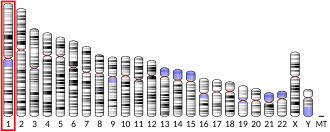
The MECR gene is located on chromosome 1 at locus p35.3 and contains 18 exons .6 alternative splicing , it produces nine protein-coding mRNA transcripts , which encode five isoforms of mitochondrial trans-2-enoyl-CoA reductase (MECR).6 N-terminal mitochondrial targeting sequence and localizes to the cytosol and nucleus.9
MECR forms a dimer with a bent substrate-binding cavity between the two monomers that accommodates acyl substrates with carbon chain lengths from C4 to C16.10 11
Reaction
The reaction catalyzed by MECR can be summarized as follows:
trans-2-enoyl-mtACP + NADPH + H+ → acyl-mtACP + NADP+
Function
MECR catalyzes the last step of the mitochondrial fatty acid synthesis pathway. By using NADPH to reduce trans-2-enoyl-mtACP to saturated acyl-mtACP, MECR prepares the acyl chain for another round of elongation. source ↗ The MECR gene encodes mitochondrial trans-2-enoyl-CoA reductase, which catalyzes the last step of mitochondrial fatty acid synthesis (mtFAS).8 Condensation in mtFAS produces an unsaturated fatty acyl chain bound to mtACP.7 reduction and dehydration reactions to become saturated , making it available again for the next elongation cycle.7 trans double bond between carbon atoms 2 and 3, yielding a saturated acyl-mtACP species.12 NADPH , whose availability in mitochondria depends on NADK2 , provides the required reducing power.13 14 Octanoyl-mtACP (C8) serves as the precursor for lipoic acid biosynthesis and subsequent protein lipoylation , which is essential for several mitochondrial enzyme complexes, including the pyruvate dehydrogenase complex , the 2-oxoglutarate dehydrogenase complex , the branched-chain alpha-keto acid dehydrogenase complex , the 2-oxoadipate dehydrogenase complex , and the glycine cleavage system .15 LYRM proteins that are required for iron–sulfur cluster biogenesis and respiratory-chain assembly.15 translation and to levels of polyamines , including spermidine and spermine , as well as bioactive lipids such as lysophospholipids and sphingolipids .13 10
MECR has also been reported to bind transcription factors of the PPAR family and activate transcription , suggesting a possible link between nuclear gene regulation and mtFAS.8
Clinical significance
Pathogenic variants in the MECR gene cause MEPAN syndrome , a rare autosomal recessive mitochondrial metabolic disorder characterized by childhood-onset dystonia , optic atrophy , and basal ganglia signal abnormalities on MRI .16 phenotype with LHON -like optic neuropathy but without movement disorder or basal ganglia signal abnormalities has also been reported.17 18 19
See also
See also
References
References
GRCh38: Ensembl release 89: ENSG00000116353 – Ensembl , May 2017
GRCm38: Ensembl release 89: ENSMUSG00000028910 – Ensembl , May 2017
"Human PubMed Reference:" . National Center for Biotechnology Information, U.S. National Library of Medicine .
"Mouse PubMed Reference:" . National Center for Biotechnology Information, U.S. National Library of Medicine .
"Gene symbol report | HUGO Gene Nomenclature Committee" . www.genenames.org . Retrieved 2026-05-19 .
"MECR mitochondrial trans-2-enoyl-CoA reductase [Homo sapiens (human)] - Gene - NCBI" . www.ncbi.nlm.nih.gov . Retrieved 2026-05-19 .
Nowinski SM, Solmonson A, Rusin SF, et al. (2020-08-17). "Mitochondrial fatty acid synthesis coordinates oxidative metabolism in mammalian mitochondria" . eLife . 9 . doi :10.7554/eLife.58041 ISSN 2050-084X . PMC 7470841 PMID 32804083 .
Murdock DG, Janssen KA, Keller K, et al. (2025-10-07). "A mouse model of MEPAN demonstrates a role for mitochondrial fatty acid synthesis in iron–sulfur cluster and supercomplex formation" . Proceedings of the National Academy of Sciences . 122 (40). doi :10.1073/pnas.2506761122 . ISSN 0027-8424 . PMC 12519216 PMID 41021813 .
Kim DG, Yoo JC, Kim E, et al. (2014). "A Novel Cytosolic Isoform of Mitochondrial Trans-2-Enoyl-CoA Reductase Enhances Peroxisome Proliferator-Activated Receptor α Activity" . Endocrinology and Metabolism . 29 (2): 185. doi :10.3803/EnM.2014.29.2.185 ISSN 2093-596X . PMC 4091492 PMID 25031892 .
Clay HB, Parl AK, Mitchell SL, et al. (2016-03-10). Peterson J (ed.). "Altering the Mitochondrial Fatty Acid Synthesis (mtFASII) Pathway Modulates Cellular Metabolic States and Bioactive Lipid Profiles as Revealed by Metabolomic Profiling" . PLOS ONE . 11 (3) e0151171. doi :10.1371/journal.pone.0151171 ISSN 1932-6203 . PMC 4786287 PMID 26963735 .
Rahman MT, Koski MK, Panecka-Hofman J, et al. (2023-02-04). "An engineered variant of MECR reductase reveals indispensability of long-chain acyl-ACPs for mitochondrial respiration" . Nature Communications . 14 (1). doi :10.1038/s41467-023-36358-7 ISSN 2041-1723 . PMC 9899272 PMID 36739436 .
Wedan RJ, Longenecker JZ, Nowinski SM (January 2024). "Mitochondrial fatty acid synthesis is an emergent central regulator of mammalian oxidative metabolism" . Cell Metabolism . 36 (1): 36– 47. doi :10.1016/j.cmet.2023.11.017 PMC 10843818 PMID 38128528 .
Wedan RJ, Nowinski SM (July 2025). "Powering the powerhouse: Mitochondrial NADPH propels oxidative metabolism" . Cell Chemical Biology . 32 (7): 902– 904. doi :10.1016/j.chembiol.2025.06.006 . PMC 12507123 PMID 40680726 .
Kim D, Kesavan R, Ryu K, et al. (May 2025). "Mitochondrial NADPH fuels mitochondrial fatty acid synthesis and lipoylation to power oxidative metabolism" . Nature Cell Biology . 27 (5): 790– 800. doi :10.1038/s41556-025-01655-4 . ISSN 1465-7392 . PMC 12331256 PMID 40258949 .
Wedan RJ, Longenecker JZ, Nowinski SM (January 2024). "Mitochondrial fatty acid synthesis is an emergent central regulator of mammalian oxidative metabolism" . Cell Metabolism . 36 (1): 36– 47. doi :10.1016/j.cmet.2023.11.017 PMC 10843818 PMID 38128528 .
Heimer G, Kerätär JM, Riley LG, et al. (December 2016). "MECR Mutations Cause Childhood-Onset Dystonia and Optic Atrophy, a Mitochondrial Fatty Acid Synthesis Disorder" . American Journal of Human Genetics . 99 (6): 1229– 1244. doi :10.1016/j.ajhg.2016.09.021 . PMC 5142118 PMID 27817865 .
Zhang S, Liu R, Liu Q, et al. (January 2026). "Mitochondrial fatty acid synthesis: The physiopathological role in cellular processes and human diseases" . Genes & Diseases 102034. doi :10.1016/j.gendis.2026.102034 ISSN 2352-3042 .
Jia N, Yu S, Zhang G, et al. (April 2024). "Recurrent MECR R258W causes adult-onset optic atrophy: A case report" . European Journal of Medical Genetics . 68 104917. doi :10.1016/j.ejmg.2024.104917 ISSN 1769-7212 .
Fiorini C, Degiorgi A, Cascavilla ML, et al. (January 2024). "Recessive MECR pathogenic variants cause an LHON-like optic neuropathy" . Journal of Medical Genetics . 61 (1): 93– 101. doi :10.1136/jmg-2023-109340 . ISSN 0022-2593 . PMC 10804020 PMID 37734847 .
Further reading
Further reading
Torkko JM, Koivuranta KT, Miinalainen IJ, et al. (September 2001). "Candida tropicalis Etr1p and Saccharomyces cerevisiae Ybr026p (Mrf1'p), 2-enoyl thioester reductases essential for mitochondrial respiratory competence" . Molecular and Cellular Biology . 21 (18): 6243– 53. doi :10.1128/MCB.21.18.6243-6253.2001 . PMC 87346 PMID 11509667 . Maruyama K, Sugano S (January 1994). "Oligo-capping: a simple method to replace the cap structure of eukaryotic mRNAs with oligoribonucleotides". Gene . 138 (1– 2): 171– 4. doi :10.1016/0378-1119(94)90802-8 . PMID 8125298 . Suzuki Y, Yoshitomo-Nakagawa K, Maruyama K, et al. (October 1997). "Construction and characterization of a full length-enriched and a 5'-end-enriched cDNA library". Gene . 200 (1– 2): 149– 56. doi :10.1016/S0378-1119(97)00411-3 . PMID 9373149 . Lai CH, Chou CY, Ch'ang LY, et al. (May 2000). "Identification of novel human genes evolutionarily conserved in Caenorhabditis elegans by comparative proteomics" . Genome Research . 10 (5): 703– 13. doi :10.1101/gr.10.5.703 . PMC 310876 PMID 10810093 .