| Khalsa bole | |
|---|---|
| gaṛgajjă bole, nihaṅgă siṅghă de bole, khālsā de bole | |
| ਖਾਲਸਈ ਬੋਲੇ, ਖਾਲਸਾ ਬੋਲੀ, ਗੜਗੱਜ ਬੋਲੇ | |
| Pronunciation | khālăsaī bōlē, khālăsā bōlī |
| Era | Early 18th century–present |
Early forms | |
| Gurmukhi | |
| Sources | Punjabi and its dialects (mostly), Old Hindi, Persian |
| Language codes | |
| ISO 639-3 | – |
Khalsa bole (Gurmukhi: ਖਾਲਸਈ ਬੋਲੇ or ਖਾਲਸਾ ਬੋਲੀ; khālăsaī bōlē, khālăsā bōlī; meaning "words of Khalsa"; alternatively transcribed as Khalsa boli) is a bravado-based language variety developed and spoken by members of the Akali-Nihang sect of Sikhism.89 It has also been described as a coded language.10 Sant Singh Sekhon describes the lect as a "grandiloquent patois" that "comprises euphemisms and jargon symbolic of high-spirited confidence and courage".11 The Nihangs use certain vocabulary with distinct semantics.12
Names
Other common names for the lect are gaṛgajjă bole (ਗੜਗੱਜ ਬੋਲੇ; meaning "words that thunder"), nihaṅgă siṅghă de bole ("words of the Nihang Sikhs"), nihaṅgă bolā ("Nihang speak"), and Khalsā de bole ("words of the Khalsa").131411
Purpose
The dialect encompasses the Sikh philosophical concept of remaining ever optimistic, known as Chardi kala.15 The unique dialect serves martial and mental objectives, such as helping the speaker and listeners remain in high-spirits in the face of adversity.1617 It serves as a verbal act of dissent in the face of troubling circumstances.14
"There is a great degree of general Sikh ambivalence towards the Nihangs and their deras. There is no real knowledge but through the construction of the Sikh past by ragis and dhadis and others involved in the invention of Sikh tradition, they seem to have made sacrifices for the faith and qaum. One possible consequence of their relative isolation could be the development of coded language. Sekhon (1997: 229) attributes these different meanings of the words as metaphors of optimism and belief in the inevitable achievement of the goal: 'Taking a meal of parched gram of necessity a Nihang would describe himself as eating almonds. Even now onions for Nihangs are silver pieces, rupees on the other hand mere pebbles, and a club the repository of wisdom.’ "
— Pashaura Singh, Louis E. Fenech, The Oxford Handbook of Sikh Studies (2014), page 380
An account of Khalsa bole published in 1903 is as follows:18
"One branch of them [Nihangs] will never use a word of the feminine gender, and others will add the word Singh or lion -the distinctive suffix of Sikh names) [sic] after almost every substantive they use. The Akáli is full of memories of the glorious days of the Khálsa: he is nothing if not a soldier-a soldier of the Guru. He dreams of armies, and he think in lakhs [hundred of thousands]. Often if an Akáli wishes to imply that five of his order are present, he will say 'Five lakhs are before you'; or if he would explain that he is alone, he will say that he is with 'one and a quarter lakhs of the Khálsa.' You ask him how he is, and he replies that 'the army is well'; you enquire where he has come from, and he says, ' The troops marched from Lahore.' At the end of his prayers he shouts. 'Sat Srí Akál' ('God the Immortal is True') as loud as he can, and if he is given money to buy 'karah parshad and requested to do so', he utters this Jaikára or cry of victory, as it is called."
— Guide to the Darbar Sahib or Golden Temple of Amritsar (1903), page 34
History
Origin
Some claim it was invented by Banda Singh Bahadur, the early 18th century Sikh general and martyr.13 particularly within the 50-year period following a Mughal edict on 10 December 1710.19: 3 The dialect developed during the period of intense persecution of the Sikhs by the Mughal and Durrani empires in the 18th century.20 During that period, Sikhs vacated for the mountains, jungles, and deserts to escape the genocidal policies enacted against them.20
"Guru Gobind Singh would rename some of the smaller or weaker Singhs in the ranks of the Khalsa Army. He would bestow them with lofty titles such as ‘Dharti-Hallaa Singh' (literally, the Earth-shaker). This would not only send fear and doubt deep within the ranks of the enemy soldiers, but encouraged the Singhs in the Khalsa Army to fight heroically with courage and confidence and honour the names given to them by the Guru."
— Nihang Darshan Singh, audio recording, July 200621
Jasbir Singh Sarna claims the language variety evolved during the time-period of Nawab Kapur Singh.22
The Nihangs developed the special vocabulary full of euphemisms and parallels to common words and phrases to complement their martial role and character.11 The terms were used by Nihangs to "make light of hardships", to describe enemies in a bold and provocative manner, and to belittle/ridicule things of worldly comfort.11 Khalsai Bole encapsulates the core aspects of the Nihang way of life: self-respect, wisdom, aesthetics, and fearlessness.19: 7
Present-day
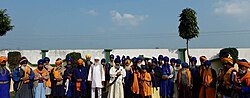
The dialect is still used by some modern Sikhs, especially the Akali-Nihangs.23 Nihangs still employ Khalsa Bole in their encampments and also when they talk to members of the general public.11 The Khalsa Bole used by Nihangs today with the public are for the purpose of comedy but also secrecy.11 The euphemisms used by the Nihangs can be interpreted as derogatory.11
Many modern Nihangs are ridiculed for using their dialect.14 They are often the target for jokes by outsiders.14 While many of the terms of Khalsa Bole have been forgotten and lost,11 new ones continue to be coined, referring to modern concepts.19: 13
"As a result of this brave spirit, there grew up among the Sikhs a peculiar slang, which is called the Vocabulary of Heroes. In it the things connected with the difficulties of life were expressed in terms of such cheerfulness and bravado, as if, for the Sikhs pain and suffering had lost all meaning....
"There is a superb humor in all this, which breathes a full and healthy spirit. It shows that our ancestors knew, how much better than we do at present, that religion is not incompatible with brightness and vigour."
— Teja Singh, Humour In Sikhism (1929), page 34
Linguistic sources
Khalsa bole sources its vocabulary from "a mixture of Punjabi, Old Hindi, Persian and other dialects used in various regions of India".2416
List of vocabulary examples
| Word or phrase | Literal meaning | Khālsā bole meaning |
|---|---|---|
| adālatīā19 ਅਦਾਲਤੀਆ |
judge | winnowing basket ਛੱਜ |
| aflātūn16 ਅਫਲਾਤੂਨ |
eccentric, braggart | quilt ਰਜਾਈ, ਲੇਫ |
| aflātūnī19 ਅਫਲਾਤੂਨੀ |
eccentric, braggart | mattress or light quilt ਤੁਲਾਈ |
| āhū lāhuṇe ਆਹੂ ਲਾਹੁਣੇ |
an idiom, literally "to take off gazelles" | to commit a great massacre ਘੱਲੂਘਾਰਾ ਕਰਨਾ, ਕੱਟ ਵੱਢ, ਵੱਢ ਟੁੱਕ |
| airāvata,11airāpati19 ਐਰਾਵਤ, ਐਰਾਪਤਿ |
legendary elephant | he-buffalo ਝੋਟਾ |
| akal dān13111019 ਅਕਲ ਦਾਨ |
dispenser/repository of wisdom | wooden club; a baton ਸੋਟਾ, ਡੰਡਾ |
| akāl bāṅgā19 ਅਕਾਲ ਬਾਂਗਾ |
timeless call | victory cry 'ਸਤਿ ਸ੍ਰੀ ਅਕਾਲ' ਦਾ ਜਕਾਰਾ |
| akāl buṅgā19 ਅਕਾਲ ਬੁੰਗਾ |
"timeless dwelling," former name of the Akal Takht | Akal Takht ਅਕਾਲ ਤਖਤ |
| akālī19 ਅਕਾਲੀ |
of the timeless/deathless | fearless Sikh, Nihang Singh ਕਾਲ ਦੇ ਭੌ ਬਾਝੋਂ ਸਿਖ, ਅਕਾਲ ਦਾ ਉਪਾਸ਼ਕ, ਨੀਲਾ ਬਾਣਾ ਧਾਰੀ/ਨੀਲੰਬਰਧਾਰੀ ਨਿਹੰਗ ਸਿੰਘ |
| ākkaṛbhannă11162519 ਆਕੜਭੰਨ |
that which shatters arrogance | disease, especially fever, bodily illness ਬੁਖਾਰ, ਰੋਗ, ਬਿਮਾਰੀ |
| akāśparī111619 ਅਕਾਸ਼ਪਰੀ |
sky fairy, fairy of heaven | she-goat ਬੱਕਰੀ |
| akāsī dīvā19 ਅਕਾਸੀ ਦੀਵਾ |
celestial lamp | sun or moon, ਸੂਰਜ, ਚੰਨ |
| akāsī faujă19gaibī faujă19 ਅਕਾਸੀ ਫੌਜ, ਗੈਬੀ ਫੌਜ |
celestial army, hidden army | martyred army ਸ਼ਹੀਦੀ ਫ਼ੌਜ, ਗੈਬੀ ਦਲ, ਸ਼ਹੀਦਾਂ ਦੀ ਗੁੱਝੀ ਫੌਜ, ਸ਼ਹੀਦੀ ਸਿੰਘ |
| ākkī hoṇā19 ਆਕੀ ਹੋਣਾ |
to be a rebel | to go to jail ਬੰਦੀ ਖਾਨੇ ਪੈਣਾ, ਹਵਾਲਾਤ ਵਿੱਚ ਪੈਣਾ, ਜੇਲ੍ਹ ਜਾਣਾ ਜਾਂ ਵਿੱਚ ਹੋਣਾ |
| ammrit vellā19 ਅੰਮ੍ਰਿਤ ਵੇਲਾ |
ambrosial hour | predawn ਤੜਕਾ, ਤੜਕਸਾਰ, ਮੂੰਹ ਹਨੇਰਾ, ਪ੍ਰਾਤਹਕਾਲ, ਭੁਨਸਾਰ |
| ammritī11 ਅਮਰਤੀ, ਅੰਮ੍ਰਿਤੀ |
name of sweetmeat, "ambrosial" | broth of gram flour ਕੜ੍ਹੀ, ਸਲੂਣੀ |
| ammritīā ਅੰਮ੍ਰਿਤੀਆ |
of the Amrit | one who has undergone Amrit Sanskar ਜਿਨ ਖੰਡੇ ਦਾ ਅੰਮ੍ਰਿਤ ਛਕਿਐ |
| anamatīā2516 ਅਨਮਤੀਆ |
follower of another religion | non-Sikh ਸਿੱਖ ਧਰਮ ਨੂੰ ਨਾ ਮੰਨਣ ਵਾਲਾ, ਸਿੰਘ ਧਰਮ ਤੋਂ ਭਿੰਨ ਧਰਮ ਧਾਰਨ ਵਾਲਾ |
| anandă19 ਅਨੰਦ |
happiness | Sikh wedding ਸਿੱਖ ਧਰਮ ਅਨੁਸਾਰ ਵਿਆਹ |
| āṇḍe2516 ਆਂਡੇ |
eggs | potatoes ਆਲੂ |
| anhat śabad19 ਅਨਹਤ ਸ਼ਬਦ |
sourceless sound | snore ਘੁਰਾੜਾ |
| aṅgă saṅgă ਅੰਗ ਸੰਗ |
ever-present, always accompanying | God ਕਰਤਾਰ, ਵਾਹਿਗੁਰੂ |
| aṅgīṭṭhā1119 ਅੰਗੀਠਾ |
fireplace | funeral pyre ਸਿਵਾ, ਚਿਖਾ |
| añjanī1119 ਅੰਜਨੀ |
antimony powder | night ਰਾਤ |
| annhā ਅੰਨ੍ਹਾ |
blind | idol worshipper ਮੂਰਤੀ ਪੂਜਕ |
| arākkā, rākkā,19 arākkī, irākkī112616 ਅਰਾਕਾ, ਰਾਕਾ, ਅਰਾਕੀ, ਇਰਾਕੀ |
Arabian horse, thoroughbred from Iraq, literally "Iraqi" | stallion of poor quality ਮਾੜਾ ਘੌੜਾ, ਟੱਟੂ |
| arākkaṇ19 ਅਰਾਕਣ |
Arabian horse, thoroughbred from Iraq, literally "female Iraqi" | mare equivalent of arākkā ਘੌੜੀ, ਟੈਰ, ਟੈਰਾ |
| āṛband19 ਆੜਬੰਦ |
garment wrapped around waist and groin | loincloth ਲੰਗੋਟਾ |
| ardāsā ਅਰਦਾਸਾ |
great prayer | prayer ਪ੍ਰਾਰਥਣਾ |
| ardāsā sodhaṇā ਅਰਦਾਸਾ ਸੋਧਣਾ |
to lustrate a great prayer | prayer performed when commencing or concluding a task ਕਿਸੇ ਕੰਮ ਦੇ ਆਰੰਭ ਜਾਂ ਸਮਾਪਤੀ ਤੇ ਕਰਤਾਰ ਅੱਗੇ ਬੇਨਤੀ, ਪ੍ਰਾਰਥਨਾ ਕਰਨੀ |
| ardāsīā ਅਰਦਾਸੀਆ |
Sikh prayer leader ਅਰਦਾਸ ਕਰਨ ਵਾਲਾ ਸਿੰਘ | |
| aṛiṅgă baṛiṅgă162519 ਅੜਿੰਗ ਬੜਿੰਗ |
wrestling ਘੋਲ, ਛਿੰਝ |
lying down, sleeping ਲੇਟਵਾਂ, ਸੁੱਤਾ |
| asvārā ਅਸਵਾਰਾ |
rider |
the Guru Granth Sahib, or departure to the next world ਸ੍ਰੀ ਗੁਰੂ ਗਰੰਥ ਸਾਹਿਬ ਜੀ ਦੀ ਬੀੜ, ਕੂਚ, ਪ੍ਰਸਥਾਨ |
| asvārā karnā19 ਅਸਵਾਰਾ ਕਰਨਾ |
to ascend an incline | to pass away ਚੜ੍ਹਾਈ ਕਰਨਾ, ਸੁਰਗ ਬਾਸ ਹੌਣਾ, ਕੂਚ ਕਰਨਾ, ਪ੍ਰਲੋਕ ਗਮਨ |
| asvārā sāhib prakāsăṇā ਅਸਵਾਰਾ ਸਾਹਿਬ ਪ੍ਰਕਾਸਨਾ |
to bring forth the esteemed rider | to unwrap and open the Guru Granth Sahib ਸ੍ਰੀ ਗੁਰੂ ਗ੍ਰੰਥ ਸਾਹਿਬ ਜੀ ਦਾ ਰੁਮਾਲ ਖੋਲ੍ਹ ਕੇ ਪ੍ਰਕਾਸ਼ ਕਰਨਾ। |
| athakkă1119 ਅੱਥਕ |
tireless | emaciated pony ਮਰੀਅਲ, ਦੁਬਲਾ ਟੱਟੂ, ਹਾਰਿਆ ਹੋਇਆ ਘੋੜਾ |
| athakkă savārī111319 ਅਥੱਕ ਸਵਾਰੀ |
tireless mount | pair of shoes or slippers ਜੁੱਤੀ, ਜੋੜਾ |
| atī akhaṇḍă pāṭh ਅਤੀ ਅਖੰਡ ਪਾਠ |
extreme Akhand Path recitation | a full recitation of the Guru Granth Sahib done by one reciter within 8 or 9, instead of 13 to 16, 3-hour periods ਅਖੰਡ ਪਾਠ ਜਿਹਨੂੰ ਇਕੱਲਾ ਪਾਠੀਆ ਇੱਕੋ ਥਾਏਂ ਬੈਠ ਕੇ ਲਗਾਤਾਰ ਕਰਦਿਆਂ ਅੱਠ-ਨੌਂ ਪਹਿਰੀਂ ਨਬੇੜੇ। |
| atī akhaṇḍă pāṭṭhī ਅਤੀ ਅਖੰਡ ਪਾਠੀ |
extreme Akhand Path performer | one who performs the above ਅਤੀ ਅਖੰਡ ਪਾਠ ਕਰਨ ਵਾਲਾ |
| babbarū19 ਬੱਬਰੂ |
a type of puri | bread leavened with yeast ਖਮੀਰੀ ਰੋਟੀ |
| badāmă1125102719 ਬਦਾਮ |
almonds | chickpeas, gram, parched gram ਭੁੱਜੇ ਛੋਲੇ, ਚਣੇ |
| badāṇā19 ਬਦਾਣਾ |
mulberry, a type of sweet | fruit of Capparis decidua, ripe or unripe ਕਰੀਰ ਦਾ ਫਲ, ਡੇਲੇ |
| bahiśtī19 ਬਹਿਸ਼ਤੀ |
heavenly | water-carrier, deaf ਮਾਸ਼ਕੀ, ਬੋਲ਼ਾ |
| bahuguṇā19 ਬਹੁਗੁਣਾ |
of many qualities | a type of flower ਗੰਦਾਲਾ |
| bājă19 ਬਾਜ |
hawk | a trowel, scraper ਖੁਰਪਾ, ਰੰਬਾ |
| bālī faujă19 ਬਾਲੀ ਫੌਜ |
woman troop | girls ਕੂੜੀਆਂ |
| bāmmhaṇă19 ਬਾਮ੍ਹਣ |
Brahmin | pippal tree, Ficus religiosa ਪਿੱਪਲ |
| bāmmhaṇī19 ਬਾਮ੍ਹਣੀ |
female Brahmin | rice pudding, kheer ਖੀਰ, ਤਸਮਈ |
| basantă kaur11162519 ਬਸੰਤ ਕੌਰ |
a woman's name, "Spring Kaur"11 "spring damsel"25 | corn, maize ਮੱਕੀ |
| basantară19 ਬਸੰਤਰ |
a great fire | fire ਅੱਗ |
| basāvā19 ਬਸਾਵਾ |
a tava, cooking pan ਤਵਾ | |
| baṭerā,112519 ikk ṭaṅgī baṭerā ਬਟੇਰਾ, ਇੱਕ ਟੰਗੀ ਬਟੇਰਾ |
quail, partridge, one-legged quail | eggplant ਵੈਂਗਣ, ਬਤਾਉਂ |
| bāṭṭā25 ਬਾਟਾ |
iron bowl ਸਰਬਲੋਹ ਦਾ ਕੌਲਾ | |
| bāṭṭe dā sānjhī19 ਬਾਟੇ ਦਾ ਸਾਂਝੀ |
shareholder of the iron bowl | an initiated Sikh ਅੰਮ੍ਰਿਤਧਾਰੀ ਖਾਲਸਾ |
| bhagāutī19 ਭਗਉਤੀ |
sword ਤਲਵਾਰ, ਖੜਗ | |
| bhājjā19 ਭਾਜਾ |
derivative of bhaji | vegetables, often fried ਸਬਜੀ, ਤਰਕਾਰੀ |
| bhāṇā19 ਭਾਣਾ |
will, especially God's | God's will ਰੱਬੀ ਹੁਕਮ |
| bhartharī19 ਭਰਥਰੀ |
a mythical king | bull ਢੱਟਾ, ਸਾਨ੍ਹ |
| bhoiṅsūr1119 ਭੋਇੰਸੁਰ |
soil pig | turnip ਗੋਂਗਲੂ/ਸ਼ਲਗਮ |
| bhujaṅgī2519bhuchanger16 ਭੁਜੰਗੀ |
snake | son, youngster ਸਿੰਘਾਂ ਦਾ ਮੁੰਡਾ, ਬਾਲ, ਬਾਲਾ |
| bhūtanī112519: 13 ਭੂਤਨੀ |
female ghost, witch | locomotive, dust storm, last cart of a train ਰੇਲ ਇੰਞਣ, ਹਨੇਰੀ, ਰੇਲ ਦੀ ਆਖਰੀ ਗੱਡੀ |
| bhuṭerā19 ਭੁਟੇਰਾ |
a ball of flour parched in fire ਅੱਗ ਵਿੱਚ ਭੂੰਨਿਆ ਆਟੇ ਦਾ ਪਿੰਨਾ | |
| bemuhārī19: 13 ਬੇਮੁਹਾਰੀ |
uncontrolled | train engine ਰੇਲ ਗੱਡੀ |
| bemuhtājī19 ਬੇਮੁਹਤਾਜੀ |
independent, self-sufficient | small ladle ਕੜਛੀ |
| bibekă19 ਬਿਬੇਕ |
discernment | discussion or improvement of the Sikh code of conduct ਰਹਿਤ ਮਰਿਆਦਾ ਬਾਰੇ ਵਿਚਾਰ ਵਟਾਂਦਰਾ, ਸੋਧ, ਰਹਿਤ ਮਰਿਯਾਦਾ ਅਨੁਸਾਰ ਵਿਚਾਰ |
| bibekkī, bibekkī siṅghă19 ਬਿਬੇਕੀ, ਬਿਬੇਕੀ ਸਿੰਘ |
of discernment | deliberator or improver of the Sikh code of conduct ਵਿਚਾਰਵਾਨ, ਸੋਧੀ ਸਿੰਘ, ਵਿਚਾਰਵਾਨ ਸਿੰਘ, ਖਾਲਸਾ ਧਰਮ ਅਨੁਸਾਰ ਪਵਿਤ੍ਰਤਾ ਰੱਖਣ ਵਾਲਾ |
| bihaṅgam19 ਬਿਹੰਗਮ |
wandering, detached | wandering Nihang ਰਮਤਾ ਸਿੰਘ, ਵਿਚਰਨ ਵਾਲਾ ਸਿੰਘ |
| bikhiā19 ਬਿਖਿਆ |
poisonous, sinful | tobacco ਤਮਾਕੂ |
| billā1625 ਬਿੱਲਾ |
tomcat | Englishman ਅੰਗਰੇਜ਼ |
| birājṇā25 ਬਿਰਾਜਣਾ |
holding court, to sit at ease, to preside | to sit ਬੈਠਣਾ, ਲੇਟਣਾ |
| bird, bidar ਬਿਰਦ, ਬਿਦਰ |
custom, practice, garb | garb ਪਹਿਰਾਵਾ, ਲਿਬਾਸ |
| bidarbāṇā ਬਿਦਰਬਾਣਾ |
custom, practice, garb | Khalsa garb ਖਾਲਸਾਈ ਪਹਿਰਾਵਾ |
| bollā ਬੋਲਾ |
masculinized form of ਬੋਲੀ bollī, "language, speech" | language, speech |
| brahmras1119 ਬ੍ਰਹਮਰਸ |
Godly drink | sugarcane, its juice ਗੰਨਾ, ਇੱਖ ਦਾ ਰਸ, ਕਮਾਦ |
| buddhă avătār19 ਬੁੱਧ ਅਵਤਾਰ |
incarnation of Buddha | crippled; legless and handless ਲੰਗੜਾ, ਲੂਲ੍ਹਾ, ਟੁੰਡਾ |
| buḍḍhīe ਬੁੱਢੀਏ |
vocative of ਬੁੱਢੀ buḍḍhī, "old woman" | woman, often regardless of age |
| bundī1119 ਬੁੰਦੀ |
sweets | boiled gram or grain ਉਬਲੀ ਦਾਲ, ਬੱਕਲੀਆਂ |
| buṅgā19 ਬੁੰਗਾ |
dwelling | dwelling of Nihangs; a tall dumalla ਸਿੰਘਾਂ ਦਾ ਨਿਵਾਸ ਥਾਂ; ਨਿਹੰਗ ਸਿੰਘਾਂ ਦਾ ਉੱਚਾ ਦੁਮਾਲਾ |
| cakrailă19 ਚਕ੍ਰੈਲ |
related to the term ਚੱਕਰਵਰਤੀ cakkarvartī, "sovereign" | wandering, roaming, sovereign Sikh ਚੱਕਰਵਰਤੀ ਸਿੰਘ, ਰਮਤਾ ਬਿਹੰਗਮ |
| calākā1119 ਚਲਾਕਾ |
clever, crafty man | thick needle ਸੂਆ |
| calākaṇ1119 ਚਲਾਕਣ |
clever, crafty woman | small needle, spud, hoe (tool) ਸੂਈ, ਖੁਰਪਾ, ਰੰਬੀ |
| cāndănī-pulāo1119 ਚਾਂਦਨੀ ਪੁਲਾਓ |
dish of cooked rice | parched millet ਭੁੰਨੀ ਜਵਾਹ, ਖਿੱਚੜੀ |
| caṇḍī19 ਚੰਡੀ |
Chandi | sword, fire, fight ਅੱਗ, ਤਲਵਾਰ, ਲੜਾਈ |
| carandāsī1119 ਚਰਨਦਾਸੀ |
maidservant, attached to the master's feet | shoes ਜੁੱਤੀ |
| caṛhāī ਚੜ੍ਹਾਈ |
incline, ascent, charge | march, departure ਕੂਚ |
| caṛhāī karnā1113192627 ਚੜ੍ਹਾਈ ਕਰਨਾ |
to invade, proceed on an expedition (into the next world), conquer the enemy post, ਹੱਲਾ ਬੋਲਣਾ | to die ਮਰਨਾ |
| cataṇa pulāu19 ਚਟਣ ਪਲਾਉ |
(finger-)licking rice | chutney ਚਟਣੀ |
| catauṛă toṛnā,19 gaṛhă toṛnā,19kilā dhāhuṇā ਗੜ੍ਹ ਤੋੜਨਾ, ਕਿਲਾ ਢਾਹੁਣਾ |
collapse a fort, Chittor or Multan82320 | to answer the call of nature ਮੂਤਰਨਾ/ਮੂਤਣਾ, ਹੱਗਣਾ, ਔੌਖਾ ਕੰਮ ਸਿਰੋਂ ਚੜ੍ਹਾਉਣਾ |
| cautthā19 ਚੌਥਾ |
fourth | salt ਲੂਣ |
| cautthā pauṛā19 ਚੌਥਾ ਪਉੜਾ |
fourth rung, class | Mazhabi Sikh ਮਜ਼ਹਬੀ ਸਿੱਖ |
| chakăṇā19 ਛਕਣਾ |
to dine | to eat, drink ਖਾਣਾ, ਪੀਣਾ |
| chāndā19 ਛਾਂਦਾ |
a portion, share ਹਿੱਸਾ | |
| chāppā mārnā ਛਾਪਾ ਮਾਰਨਾ |
to ambush, surprise attack | showing up spontaneously to the homes of friends or relatives |
| chararā chaḍḍăṇa19 ਛਰਰਾ ਛੱਡਣਾ |
to discharge a bullet | to urinate ਮੂਤਣਾ |
| chattardhārā19 ਛੱਤਰਧਾਰਾ |
imperial | opium ਅਫੀਮ |
| chāuṇī111619 ਛਾਉਣੀ |
encampment, cantonment | the camp of Nihaṅgs, kaccheranote 1 ਨਿਹੰਗਾਂ ਜਾਂ ਸਿੰਘਾਂ ਦਾ ਡੇਰਾ, ਸਿੰਘਾਂ ਦਾ ਅੱਡਾ, ਕਛਹਿਰਾ |
| chevā̃1119 ਛੇਵਾਂ |
sixth | (cooking) oil ਤੇਲ |
| chillaṛ1119 ਛਿੱਲੜ |
tree bark, husk | money, rupee, coin ਰੁਪਈਆ |
| cimanī begum1119 ਚਿਮਨੀ ਬੇਗਮ |
humorous name for a woman | opium ਅਫ਼ੀਮ |
| cīta bhajāuṇā19 ਚੀਤਾ ਭਜਾਉਣਾ |
to drive away a cheetah | to urinate ਮੂਤਣਾ |
| cobăcīnī19 ਚੋਬਚੀਨੀ |
a medicinal root, Smilax china | red pepper ਲਾਲ ਮਿਰਚ |
| corbattī19: 13 ਚੋਰਬੱਤੀ |
thief-lamp | flashlight ਟਾਰਚ, ਬੈਟਰੀ |
| cubāre caṛhiā112719 |
climbed the upper storey | deaf person ਬੋਲ਼ਾ |
| cugal162519 ਚੁਗਲ |
back-biter, tattler | mirror, poppy husk ਸ਼ੀਸ਼ਾ, ਪੌਸਤ ਡੋਡਾ |
| cūnnā112519 ਚੂਨਾ |
limestone powder, lime | flour ਆਟਾ |
| cuppă2519 ਚੁੱਪ |
silence | sugar ਖੰਡ |
| curāssī19 ਚੁਰਾਸੀ |
eighty-four | worldly people, referring to the cycle of 84 lakh (8.4 million) reincarnations ਦਨਿਆਵੀ ਲੋਕ |
| cūrmā19 ਚੂਰਮਾ |
churma | wheat chaff ਭੋ, ਤੂੜੀ |
| cuṭăkā parsādă19 ਚੁਟਕਾ ਪ੍ਰਸਾਦ |
offering of a large handful | ground salt and pepper ਰਗੜੀ ਲੂਣ ਮਿਰਚ |
| dasnambarīā19 ਦਸਨੰਬਰੀਆ |
numbered ten | tubewell ਨਲਕਾ |
| dast panjā19 ਦਸਤ ਪੰਜਾ |
handshake | tongs, pincers ਚਿਮਟਾ, ਸੰਨ੍ਹੀ |
| dastār19 ਦਸਤਾਰ |
dastar, Sikh turban ਪੱਗ | |
| DC1625 |
limper | |
| dabṛū ghusṛū2519 ਦਬੜੂ ਘੁਸੜੂ |
homebody out of timidity, unassertive, unremarkable ਦੁਬਕ ਕੇ ਘਰ ਵਿੱਚ ਵੜ ਜਾਣ ਵਾਲਾ; ਕਾਇਰ |
individual lacking in Sikh conduct, coward, self-willed ਰਹਿਤ ਮਰਿਆਦਾ ਵਿੱਚ ਢਿੱਲਾ, ਡਰਾਕਲ, ਮਨਮਤੀਆ |
| ḍaiṇ19 ਡੈਣ |
witch | maya, illusion ਮਾਇਆ |
| dākh19 ਦਾਖ |
grape | fruit of Salvadora persica ਪੀਲੂ |
| dal19 ਦਲ |
army | army of Singhs ਸਿੰਘਾਂ ਦੀ ਫੌਜ |
| ḍalā19 ਡਲਾ |
large lump | piece of boiled meat ਰਿੱਧੇ ਮਾਸ ਦਾ ਟੁਕੜਾ |
| damaṛā19 ਦਮੜਾ |
coin or small money, from ਦੰਮ damm, money | a single rupee ਰੁਪਈਆ |
| degă,19 deggā ਦੇਗ, ਦੇਗਾ |
cauldron | Karah Parshad, laṅgar ਪ੍ਰਸਾਦ ਪਾਣੀ, ਕੜਾਹ ਪ੍ਰਸਾਦ, ਲੰਗਰ |
| degă mast ਦੇਗ ਮਸਤ |
ecstacy of the cauldron | for laṅgar to run out, or not be made ਲੰਗਰ ਘਟਣਾ ਜਾਂ ਨਾ ਪੱਕਣਾ |
| ḍhahindī kalā ਢਹਿੰਦੀ ਕਲਾ |
opposite of chardi kala, collapsing spirits | pessimism ਡਿੱਗਿਆ ਹੋਇਆ ਮਨ |
| dhanantar19 ਧਨੰਤਰ |
Dhanvantari | neem ਨਿੰਮ |
| dharamrāj dā puttar1119 ਧਰਮਰਾਜ ਦਾ ਪੁੱਤ, ਪੁੱਤਰ |
son of the mythical Dharamrāj, dispenser of divine justice | fever ਬੁਖਾਰ, ਤਾਪ |
| dharamrāj dī dhī112519 ਧਰਮਰਾਜ ਦੀ ਧੀ |
daughter of the angel of death | sleep ਨੀਂਦ |
| dharamrāj dī dhī dī sevā ਧਰਮਰਾਜ ਦੀ ਧੀ ਦੀ ਸੇਵਾ |
being cared for by the angel of death's daughter | being ill ਜੁਰ ਚੜ੍ਹਿਆ ਹੋਣਾ |
| ḍhiḍḍă phūkăṇī1625 ਢਿੱਡ ਫੂਕਣੀ |
stomach destroyer | tea ਚਾਹ |
| dhokkhe bājă2516 ਧੋਖੇਬਾਜ |
imposter | spoon ਚਮਚਾ |
| dhullay1625 | meat | |
| dhură dī ṭikaṭ1119 ਧੁਰ ਦੀ ਟਿਕਟ |
ticket to the extremity or ends | death ਮੌਤ |
| dhūṛkoṭ1119 ਧੂੜਕੋਟ, ਧੂੜ ਕੋਟਾ |
dust fort | woman's heavy skirt ਘੱਗਰਾ |
| diāl kaur19 ਦਿਆਲ ਕੌਰ |
kind lady | ladle ਕੜਛੀ |
| didārā siṅghă19 ਦਿਦਾਰਾ ਸਿੰਘ, ਦਿਦਾਰਾ |
a man's name, "sighted Singh" | mirror ਸ਼ੀਸ਼ਾ |
| duburjī19 ਦੁਬੁਰਜੀ |
two-towered | sutthan (a type of salwār) ਸੁੱਥਣ |
| dumallā19 ਦੁਮੱਲਾ |
dumalla, a style of turban, or the fluttering cloth on its top ਉੱਚਾ ਸਜਾਇਆ ਦੁਹਰਾ ਦਸਤਾਰਾ, ਦਮੱਲੇ ਵਿੱਚ ਫਰਹਰਾ | |
| dumbā19 ਦੁੰਬਾ |
fat-tailed | peṭṭhā (candied wax gourd) ਪੇਠਾ |
| dunālī19 ਦੁਨਾਲੀ |
double-barreled | pitchfork ਸਾਂਗੀ, ਸਲੰਘ |
| dusāṅgā1119 ਦੁਸਾਂਗਾ |
two-pronged | trousers ਪਤਲੂਨ, ਪਜਾਮਾ |
| dushāllā19 ਦੂਸ਼ਾਲਾ |
double shawl | blanket ਕੰਬਲ |
| fateh kumait1119 ਫਤਿਹ ਕੁਮੈਤ |
winning bay horse | black-coloured club ਸੋਟੀ |
| faujă1926 ਫੌਜ |
army | one Nihang, one Singh ਇੱਕ ਬਿਹੰਗਮ ਸਿੰਘ, ਇੱਕ ਸਿੰਘ |
| faujā̃ ਫੌਜਾਂ |
armies | many Singhs ਕਈ ਸਿੰਘ |
| gaḍḍī cāṛhnā ਗੱਡੀ ਚਾੜ੍ਹਨਾ |
to lift onto a cart | to kill an enemy ਵੈਰੀ ਨੂੰ ਮਾਰ ਦੇਣਾ |
| gahirā gapphā19 ਗਹਰਾ ਗੱਫਾ |
deep mouthful | to obtain a great amount of victuals ਤ੍ਰਿਪਤ ਹੋਕੇ ਭੋਜਨ ਛਕਣਾ |
| gajăgāh19 ਗਜਗਾਹ |
an ornament placed on the forehead of an elephant or horse | a weapon or emblem worn on a dumalla ਵੱਡਾ ਚੰਦ ਤੋੜਾ ਜਿਹੜਾ ਦੁਮਾਲੇ ਤੇ ਸਜਾਈਦੈ |
| gajjăṇā19 ਗੱਜਣਾ |
to roar27 | to speak,27 or speak loudly19 ਬੋਲਣਾ, ਉੱਚੀ ਅਵਾਜ਼ ਨਾਲ ਬੋਲਣਾ |
| gaṇḍhală19 ਗੰਢਲ |
knotted, gnarled | a lapsed Sikh who repeats Khalsa initiation ਜੌ ਪਤਿਤ ਹੋਣ ਉਪਰੰਤਤ ਦੁਬਾਰਾ ਅੰਮ੍ਰਿਤ ਧਾਨ ਕਰਕੇ ਗੁਰੂ ਨਾਲ ਗੰਢਦਾ ਹੈ |
| gaṅgā jal1119 ਗੰਗਾ ਜਲ |
water of the Ganges | liquor ਸ਼ਰਾਬ |
| gapphā lāuṇā19 ਗੱਫਾ ਲਾਉਣਾ |
to take mouthfuls | to dine heartily ਰੱਜ ਕੇ ਖਾਜਾ ਛਕਣਾ |
| garam jal20 |
hot water | beverage concoction made of cannabis and dry fruit |
| garaṛe25 ਗਰੜੇ |
dust | rice ਚਉਲ |
| garaṛā19 ਗਰੜਾ |
piebald horse | rice of good quality ਵਧੀਆ ਚੌਲ |
| ghallūghārā19 ਘੱਲੂਘਾਰਾ |
massacre | terrible war ਅਤਿ ਭਿਆਨਕ ਜੰਗ |
| ghoṛā,19ghoṛe25 ਘੋੜਾ, ਘੋੜੇ |
horse(s) | shoe(s) ਜੁੱਤਾ, ਜੁੱਤੇ |
| ghoṛā kājje karnā19 ਘੋੜਾ ਕਾਜੇ ਕਰਨਾ |
to rein a horse | to be sexually abstinent, self-disciplined ਜਤ ਸਤ ਧਾਰਨਾ |
| ghoṛā duṛāuṇā19 ਘੋੜਾ ਦੁੜਾਉਣਾ |
to run a horse | to engage in coitus ਸੰਭੋਗ ਕਰਨਾ |
| ghusmusā ਘੁਸਮੁਸਾ |
dusk, dim, obscure | whisper in the ear ਕੰਨਾਬਾਤੀ, ਘੁਸਰ-ਮੁਸਰ |
| giānī siṅghă19 ਗਿਆਨੀ ਸਿੰਘ |
a man's name, "Sage Singh" | Sikh preacher ਬਾਣੀ ਦੀ ਕਥਾ ਵਿਚਾਰ ਕਰਨ ਵਾਲਾ |
| giddaṛă19 ਗਿੱਦੜ |
jackal | coward ਕੈਰ, ਡਰਾਕਲ |
| giddaṛă raṅgā19 ਗਿੱਦੜ ਰੰਗਾ |
jackal-colored | saffron-wearing sadhu ਭਗਵਾ ਪਹਿਣਨ ਵਾਲਾ ਸਾਧ |
| giṭṭe vaḍḍhī19 ਗਿੱਟੇ ਵੱਢੀ |
ankle-chop | sutthaṇ, a sort of trouser ਸੁੱਥਣ |
| gobindā11162519 ਗੋਬਿੰਦਾ, ਗੁਬਿੰਦਾ |
a man's name | watermelon, melon, cantaloupe ਹਦਵਾਣਾ, ਖਰਬੂਜਾ |
| gobindī11162519 ਗੋਬਿੰਦੀ, ਗੁਬਿੰਦੀ |
a woman's name | carrot ਗਾਜਰ |
| golakă19 ਗੋਲਕ |
donation box at gurdwaras ਜਿਸ ਵਿੱਚ ਗੁਰੂ ਨਮਿਤ ਦਿੱਤੀ ਭੇਟ ਰੱਖੀਦੀ ਹੈ | |
| golī2829 | bullet | medicinal pill, tablet, or capsule |
| guddaṛă19 ਗੁੱਦੜ |
old tattered clothes | cream ਮਲਾਈ |
| guṛă25 ਗੁੜ |
jaggery (unrefined cane sugar) | |
| gurmatā19 ਗੁਰਮਤਾ |
resolution adopted by consensus of the Sikh congregation ਸਿਖ ਸੰਗਤ ਵਿੱਚ ਵਿਚਾਰ ਪਿੱਛੋਂ ਕੀਤਾ ਨਿਰਣਾ | |
| gurmukhī parshad25 ਗੁਰਮੁਖੀ ਪ੍ਰਸਾਦਿ |
blessed sacrament of the Gurmukhs | coarse grain |
| gupāl phal, gupāl laḍḍū19 ਗੁਪਾਲਫਲ, ਗੁਪਾਲ ਲੱਡੂ |
cowherd fruit or sweetmeat | egg ਆਂਡਾ |
| guptā1119 ਗੁਪਤਾ |
secretive | dumb, unable to speak ਗੁੰਗਾ |
| hajār mekhī2519 ਹਜਾਰ ਮੇਖੀ |
of a thousand tacks | worn-out scarf, bedding, quilt ਪਾਟੀ ਪੁਰਾਣੀ ਗੋਦੜੀ |
| hajūr sāhib19 ਹਜ਼ੂਰ ਸਾਹਿਬ |
Hazur Sahib ਨਾਂਦੇੜ ਵਿੱਚ ਗੁਰੂ ਗੋਬਿੰਦ ਸਿੰਘ ਜੀ ਦੇ ਜੌਤੀ ਜੋਤਿ ਸਮਾਉਣ ਦਾ ਅਸਥਾਨ | |
| hajūrīā19 ਹਜ਼ੂਰੀਆ |
one in presence | a cloth or towel in use worn on a sevādār's shoulder ਸੇਵਾ ਵਿੱਚ ਰਹਿਣ ਵਾਲਾ ਪਰਨਾ, ਤੌਲੀਆ |
| haṅkāriā19 ਹੰਕਾਰਿਆ, ਹੰਕਾਰਿਆ ਹੋਇਆ |
arrogant | torn ਪਾਟਿਆ ਹੋਇਆ |
| hannā19 ਹੰਨਾ |
pommel of a saddle | male part ਲਿੰਗ |
| harā11 ਹਰਾ |
green, verdant | dried ਸੁੱਕਾ |
| harā karnā19 ਹਰਾ ਕਰਨਾ |
to make green | to dry hair ਕੇਸ ਸੁਕਾਉਣਾ |
| harā pallā25 ਹਰਾ ਪੱਲਾ |
green rice | grass |
| harn hoṇā1119 ਹਰਨ ਹੋਣਾ |
to become a deer ਭੱਜ ਜਾਣਾ |
to flee ਭੱਜਣਾ, ਦੌੜਨਾ |
| harnī1119 |
doe | fly ਮੱਖੀ |
| hīrā19hīre25 ਹੀਰਾ, ਹੀਰੇ |
diamond(s) | white hair(s) ਧੌਲਾ, ਧੌਲੇ |
| holā̃19 ਹੋਲਾਂ, ਹੋਲ੍ਹਾਂ |
half ripe pulse parched in the pod | cardamoms ਇਲੈਚੀਆਂ |
| holā19 ਹੋਲਾ |
Hola Mohalla | fight ਲੜਾਈ |
| holā muhallā19 ਹੋਲਾ ਮੁਹੱਲਾ |
Hola Mohalla, an observance on which martial arts are exhibited ਸ਼ਸਤਰ ਵਿਦਿਆ ਦੀ ਪ੍ਰਦਰਸ਼ਨੀ ਦਾ ਤਿਹਾਰ | |
| hukam sati1119 ਹੁਕਮ ਸਤਿ |
true order | to die, dead ਚਲਾਣਾ ਕਰਨਾ, ਮਰਨਾ |
| hullā25 ਹੁੱਲਾ |
blast of the East Wind | hurry ਕਾਹਲੀ |
| hūnjhā19 ਹੂੰਝਾ |
sweeper, sweeping thing, sweeping | lungi ਤੰਬਾ, ਤਹਿਮਤ |
| ilācī1119 ਇਲਾਚੀ |
cardamom | a twig of phalāhī or acacia chewed to cleanse teeth ਫਲਾਹੀ ਦੀ ਦਾਤਣ |
| indar19 ਇੰਦਰ |
Indra | rain, clouds, rainclouds ਬੱਦਲ, ਮੀਂਹ |
| indarāṇī1119 ਇੰਦਰਾਣੀ |
Indra's consort | emaciated mare,11 wind19 ਮਰੀਅਲ ਘੋੜੀ, ਪੌਣ |
| īśar kaur ਈਸ਼ਰ ਕੌਰ |
a woman's name, Godly | ladle ਕੜਛੀ |
| jagat jūṭh1119 ਜਗਤ ਜੂਠ |
universal pollution/leftovers | hukkā; hubble-bubble ਹੁੱਕਾ, ਤੰਬਾਕੂ |
| jagannāthī1119 ਜਗਨਨਾਥੀ |
little Jagannath | earthen cooking pot ਤੌੜੀ |
| jahājă11162519 ਜਹਾਜ |
ship | cart, bullock-cart ਗੱਡਾ |
| jahāje caṛhnā19 ਜਹਾਜੇ ਚੜ੍ਹਨਾ |
to board the ship | to be initiated as a Khalsa ਅੰਮ੍ਰਿਤ ਛਕ ਕੇ ਸਿੰਘ ਸਜਣਾ |
| jakārā19 ਜਕਾਰਾ, ਜੈਕਾਰਾ |
cry of victory | loud exclamation of "Sat Sri Akal" -ਸਤਿ ਸ੍ਰੀ ਅਕਾਲ ਦਾ ਉੱਚੀ ਅਵਾਜ ਨਾਲ ਲਾਇਆ ਨਾਅਰਾ |
| jakkā1925 ਜੱਕਾ |
dahi ਦਹੀਂ | |
| jalebbī19 ਜਲੇਬੀ |
jalebi | pod of prosopis cineraria ਜੰਡਫਲੀ, ਜੰਡ ਦੀ ਫਲੀ |
| jalkhică siṅghă19 ਜਲਖਿਚ ਸਿੰਘ |
a man's name, "water-pull Singh" | a water-carrying Jhinwar ਪਾਣੀ ਢੋਣ ਵਾਲਾ ਝੀਰ |
| jaltorī19 ਜਲਤੋਰੀ |
water luffa | fish ਮੱਛੀ |
| jān bhāī1925 ਜਾਨ ਭਾਈ |
dear brother, blood brother | personal horse ਆਪਣੀ ਸਵਾਰੀ ਦਾ ਘੋੜਾ |
| jaṅgal pāṇī jāṇā1925 ਜੰਗਲ ਪਾਣੀ ਜਾਣਾ |
to answer the call of nature, "to go jungle-water" | to go defecate ਟੱਟੀ ਜਾਣਾ |
| jaṛ puṭṭ19 ਜੜ ਪੁੱਟ |
root-tear | tweezers ਮੋਚਣਾ |
| jatthā19 ਜੱਥਾ |
band, flock | group of Sikhs ਸਿੰਘਾਂ ਦਾ ਟੋਲਾ |
| jatthedār19 ਜੱਥੇਦਾਰ |
band leader, flock holder | leader of a group of Sikhs ਸਿੰਘ ਮੰਡਲੀ ਦਾ ਮੁਖੀ |
| jhaṭakā,25cuṭaṅgā19 ਝਟਕਾ |
jhatka | to behead with one swing ਇਕੇ ਵਾਰ ਧੜੋਂ ਸਿਰ ਵੱਖ ਕਰਨਾ |
| jhaṭaṅgā19 ਝਟੰਗਾ, ਚੁਟੰਗਾ |
four-legged, with possible semantic influence from jhatka | goat ਬੱਕਰਾ |
| joṛ mel19 ਜੋੜ ਮੇਲ |
join-meet | gathering of Sikhs ਸਿੱਖਾਂ ਦਾ ਇਕੱਠ |
| joṛ melṇī1119 ਜੋੜ ਮੇਲਣੀ |
match-maker | sewing needle ਕੱਪੜਾ ਬੁਣਨ ਵਾਲੀ ਸੁਈ |
| jū̃ā̃ dī pīṅgh19 ਜੂੰਆਂ ਦੀ ਪੀਂਘ |
a swing for lice | janeu ਮੋਚਣਾ |
| juāllā vamaṇī19 ਜੁਆਲਾ ਵਮਣੀ |
from ਜੁਆਲਾ juāllā or ਜਵਾਲਾ javāllā meaning "flame" | firearm ਬੰਦੂਕ |
| kābalī kuttā19 ਕਾਬਲੀ ਕੁੱਤਾ |
dog of Kabul | Ahmad Shah Abdali ਅਹਿਮਦ ਸ਼ਾਹ ਅਬਦਾਲੀ |
| kaccā pillā19 ਕੱਚਾ ਪਿੱਲਾ |
not fully cooked or ripened | not solid in Sikh conduct ਰਹਿਤ ਮਰਿਆਦਾ ਦਾ ਢਿੱਲਾ |
| kaccā bollā19 ਕੱਚਾ ਬੋਲਾ |
unripe words | false or frivolous speech, non-khalsa bole speech ਝੂਠਾ ਬਚਨ, ਹਲਕੀ ਗੱਲ, ਖਾਲਸਈ ਬੋਲਿਆਂ ਤੋਂ ਬਾਹਰਲੀ ਗੱਲ |
| kaccī bāṇī19 ਕੱਚੀ ਬਾਣੀ |
unripe verse | verse not considered authentic gurbani ਗੁਰਬਾਣੀ ਬਿਨਾ ਹੋਰ ਕਾਵਿ-ਰਚਨਾ |
| kalgā,1125 kalgā siṅghă19 ਕਲਗਾ, ਕਲਗਾ ਸਿੰਘ |
plume; a man's name, "Plume SIngh" | bald person ਗੰਜਾ |
| kanūṅgo1119 ਕਾਨੂੰਗੋ |
a revenue official | stick, walking-stick ਸੋਟੀ, ਖੂੰਡਾ |
| kājī11162519 ਕਾਜੀ |
judge in the field of Islamic jurisprudence, interpreter of Islamic law | cockerelnote 2note 3 ਕੁੱਕੜ, ਮੁਰਗਾ |
| kājjā19 ਕਾਜਾ |
act of binding the reins of a horse to a pommel | hungry ਭੁੱਖਾ |
| kājjā kholhaṇā19 ਕਾਜਾ ਖੌਲ੍ਹਣਾ |
to unbind the reins of a horse from a pommel | to consume food ਅੰਨ ਪਾਣੀ ਖਾਣਾ |
| kamarkassā karnā19 ਕਮਰਕੱਸਾ ਕਰਨਾ |
to don waist-belt body armor | to stay ever-prepared, to go to the afterlife ਤਿਆਰ ਬਰ ਤਿਆਰ ਹੋਣਾ, ਪਰਲੋਕ ਗਮਨ ਕਰਨਾ, ਕਿਸੇ ਪਾਸੇ ਤਿਆਰੀ ਕਰਨੀ |
| kamarkassā khulhāuṇā19 ਕਮਰਕੱਸਾ ਖੁਲ੍ਹਾਉਣਾ |
to have waist-belt body armor opened | to house and manage a guest ਆਏ ਪਰਾਹੁਣੇ ਨੂੰ ਟਿਕਾਣਾ ਦੇਣਾ ਤੇ ਸੰਭਾਲ ਕਰਨਾ |
| kappaṛ bījă19 ਕੱਪੜ ਬੀਜ |
cloth seed | cotton seed ਵੜੇਵਾਂ |
| kār bheṭ19 ਕਾਰ ਭੇਟ |
work offering | money or items donated for the sake of the Guru ਗੁਰੁ ਨਮਿਤ ਦਿੱਤੀ ਮਾਇਆ ਜਾਂ ਵੱਥ |
| kaṛākkā19 ਕੜਾਕਾ |
a cracking or snapping sound, or describing severe cold weather | hunger ਭੁੱਖ |
| kaṛākkā kaṭṭăṇā19 ਕੜਾਕਾ ਕੱਟਣਾ |
to wait out the cold | to stay hungry ਭੁੱਖਿਆਂ ਰਹਿਣਾ |
| karāṛī19 ਕਰਾੜੀ |
a type of weed | radish ਮੂਲੀ |
| kardāră19 ਕਾਰਦਾਰ |
official or agent | wooden instrument for scraping and removing manure from a stall ਫੌੜ੍ਹਾ |
| kardaunā19 ਕਰਦੌਨਾ |
a small kirpan ਨਿੱਕੀ ਕਿਰਪਾਨ | |
| karellā19 ਕਰੇਲਾ |
bitter gourd | partridge ਤਿੱਤਰ |
| kastūrā112519 ਕਸਤੂਰਾ |
musk-deer | pig ਸੂਰ |
| kaṭṭā1119 ਕੱਟਾ |
young buffalo-calf | elephant ਹਾਥੀ |
| kaṭhautā19 ਕਠੌਤਾ |
wide wooden dish ਕਾਠ ਦਾ ਭਾਂਡਾ | |
| kāṭhăgaṛh19 ਕਾਠਗੜ੍ਹ |
wood fort | pyre ਸਿਵਾ, ਚਿਖਾ |
| kesăkī1125 ਕੇਸਕੀ |
small turban ਨਿੱਕੀ ਪੱਗ | |
| kesar112519 ਕੇਸਰ |
saffron | turmeric ਹਲਦੀ |
| khakkhā19 ਖੱਖਾ |
the Gurmukhi letter khakkhā | Khatri ਖੱਤਰੀ |
| khajūr19 ਖਜੂਰ |
date fruit | jujube, half ripe pulse parched in the pod ਬੇਰ, ਹੋਲ੍ਹਾਂ |
| khālsā19 ਖਾਲਸਾ |
Khalsa | an initiated Sikh in full preparation ਤਿਆਰ ਬਰ ਤਿਆਰ ਅੰਮ੍ਰਿਤਧਾਰੀ |
| khaṇḍă1119 ਖੰਡ |
sugar | ashes ਸੁਆਹ |
| khār samundar19 ਖਾਰ ਸਮੁੰਦਰ |
alkali ocean | lassi ਲੱਸੀ |
| khicaṛ pulāu19 ਖਿਚੜ ਪੁਲਾਉ |
khichri rice | khichri ਸਾਦੀ ਖਿਚੜੀ |
| khisăkū19 ਖਿਸਕੂ |
truant, shirker, malingerer; inconsistent, fickle, inconstant | loincloth ਲੰਗੋਟਾ |
| khurmā19 ਖੁਰਮਾ |
date fruit, a kind of sweetmeat | berry, jujube ਬੇਰ |
| khottī, gadhī19 ਖੋਤੀ, ਗਧੀ |
jenny donkey | piece of a hookah pipe, hookah, cigarette ਚਿਲਮ, ਹੁੱਕਾ, ਸਿਗਰਟ |
| khottī cuṅghăṇā1120gadhī cuṅghaṇā19 ਖੋਤੀ ਚੁੰਘਣਾ, ਗਧੀ ਚੁੰਗਣਾ |
suckling a jenny donkey | smoking hukkā, pipe ਬੀੜੀ ਸਿਗਰਟ ਪੀਣਾ, ਹੁੱਕਾ ਪੀਣਾ |
| khuśī faujă19 ਖੁਸ਼ੀ ਫੌਜ |
happiness army | group of women ਤਰੀਮਤਾਂ ਦਾ ਟੋਲਾ |
| khuśk pulāu19 ਖੁਸ਼ਕ ਪਲਾਉ |
dehydrated rice | parched grains ਭੁੱਜੇ ਦਾਣੇ |
| kotală1119 ਕੋਤਲ |
well-bred horse | charpoy, bedstead ਮੰਜਾ, ਪਲੰਘ |
| kotvāl19 ਕੋਤਵਾਲ |
policeman | dagger ਚਾਕੂ |
| kūcă11 ਕੂਚ |
march | death ਮੌਤ |
| kuhī1119 ਕੁਹੀ |
bird of prey | sickle ਦਾਤੀ |
| kuṇăkā19 ਕੁਣਕਾ |
presents; the leavings of food presented to great men, given to dependents; sacred relics | a piece of Karah Parshad ਕੜਾਹ ਪ੍ਰਸਾਦ ਦਾ ਭੋਰਾ |
| kurahită19 ਕੁਰਹਿਤ |
bad conduct | conduct that breaches Rehat ਸਿੱਖੀ ਰਹਿਣੀ ਵਿਰੁੱਧ ਕੰਮ |
| kutabădīnă19 ਕੁਤਬਦੀਨ |
Qutb ad-Din, a name of Muslim rulers | dog ਕੁੱਤਾ |
| kuṭṭhā19 ਕੁੱਠਾ |
slaughtered | halal meat, meat prepared in the "Turk" (Muslim) way ਤੁਰਕ ਰੀਤਿ ਨਾਲ ਬਣਿਆ ਮਾਸ |
| lācīdāṇā1119 ਲਾਚੀਦਾਣਾ |
cardamom seeds | millet ਬਾਜਰਾ |
| laḍḍū19 ਲੱਡੂ |
laddu | tinda ਟਿੰਡਾ, ਟਿੰਡੋ |
| lakhnetarā111319 ਲਖਨੇਤਰਾ |
one with 100,000 eyes | blind in one eye ਕਾਣਾ |
| lakhbā̃hā19 ਲਖਬਾਂਹਾ |
one with 100,000 arms | missing a hand ਟੁੰਡਾ |
| laṇḍībuccī19 ਲੰਡੀਬੁੱਚੀ |
common, unremarkable person | irreligious, codeless, sinful people ਧਰਮਹੀਣ, ਕੁਰਹਿਤੀਏ ਲੋਕ, ਸ਼ਰਾਰਤੀ, ਕੁਕਰਮੀ |
| lāṅgar19 ਲੰਗਰ |
langar | food ਖਾਣਾ, ਖਾਜਾ |
| lāṅgciṛā19 ਲਾਂਗਚਿੜਾ, ਲੌਂਗਚਿੜਾ |
garlic ਲੱਸਣ | |
| laṛākī25162019 ਲੜਾਕੀ |
shrew,25 quarrelsome woman20 | red chilli,2520 green chilli16 ਮਿਰਚ |
| laverā19 ਲਵੇਰਾ |
milk-giving animal | beardless or sparsely bearded ਅਲੂੰ, ਅਲੂੰਆਂ, ਖੋਦਾ, ਅਣਦਾੜ੍ਹੀਆ |
| loh19 ਲੋਹ |
large iron plate ਤਵੀ | |
| loh laṅgar ਲੋਹ ਲੰਗਰ |
langar of the iron plate | diet of the Khalsa ਖਾਲਸਾਈ ਦੇਗਾ ਅਤੇ ਖਾਜਾ |
| mahā̃parśādă1119 ਮਹਾਂਪ੍ਰਸ਼ਾਦ |
supreme dish | meat curry ਝਟਕੇ ਦਾ ਰਿੱਧਾ ਮਾਸ |
| mahikhāsar19 ਮਹਿਖਾਸਰ |
Mahishasura | male buffalo ਝੋਟਾ |
| maidān mārnā19 ਮੈਦਾਨ ਮਾਰਨਾ |
to hit the field | to go to the toilet ਪਖਾਨੇ ਜਾਣਾ |
| makhmalī farś19 ਮਖਮਲੀ ਫਰਸ਼ |
velvety floor | an especially full, verdant area of grass ਘਾਹ ਵਾਲੀ ਲਹਿਲਹਾਉਂਦਾ ਅਤੇ ਹਰਿਆ-ਭਰਿਆ ਥਾਂ |
| malăkā19 ਮਲਕਾ |
queen | female cat ਬਿੱਲੀ |
| māmmā19 ਮਾਮਾ |
maternal uncle | fever ਜੁਰ, ਬੁਖਾਰ |
| māmlā,25muāmlā19 ਮਾਮਲਾ, ਮੁਆਮਲਾ |
revenue | money, procured items ਮੰਗ ਕੇ ਲੀਤਾ ਸਮਾਨ |
| māmalā lainā11 ਮਾਮਲਾ ਲੈਣਾ |
to collect land revenue ਮਾਲੀਆ ਉਗਰਾਹੁਣਾ |
to collect victuals or donations ਧਰਮ ਦਾਨ ਦੀ ਉਗਰਾਹੀ |
| manmatīā19 ਮਨਮਤੀਆ |
self-willed | renouncer of the Guru ਗੁਰਮਤਿ ਤਿਆਗ ਕੇ ਮਨਮਰਜ਼ੀ ਵਰਤਣ ਵਾਲਾ |
| mārā bakārā19 ਮਾਰਾ ਬਕਾਰਾ |
striking and roaring | killing and plunder ਲੁੱਟਮਾਰ |
| marcaunā19 ਮਰਚੌਨਾ |
back pepper ਕਾਲੀ ਮਿਰਚ | |
| maṛolī19 ਮੜੋਲੀ |
small temple | body ਦੇਹੀ |
| masāṇī19 ਮਸਾਣੀ |
one who removes corpse remains after cremation | anus ਬੁੰਡ, ਗੁਦਾ |
| mast, mastānā,1113252627 langar mast19 ਮਸਤਾਨਾ |
in a state of ecstasy, carefree, intoxication, mad with prosperity ਆਪਣੇ ਰੰਗ ਵਿੱਚ ਵਿਚਰਨ ਵਾਲ਼ਾ |
empty of personal supplies, empty of provisions, hunger, for laṅgar to run out or not be made ਖਤਮ ਹੋ ਜਾਣਾ (ਜਿਵੇਂ ਲੰਗਰ); ਸਮਾਨ ਵਿੱਚ ਘਾਟਾ, ਪਾਟਿਆ ਹੋਇਆ, ਬਿਮਾਰ, ਪੁਰਾਣਾ, ਲੰਗਰ ਘਟਣਾ ਜਾਂ ਨਾ ਪੱਕਣਾ |
| mastgaṛh19 ਮਸਤਗੜ੍ਹ |
fort of ecstacy | a mosque converted into a gurdwara ਮਸਜਿਦ ਬਦਲਕੇ ਥਣਾਇਆ ਗੁਰ ਅਸਥਾਨ |
| mevaṛā19 ਮੇਵੜਾ |
person of Mewar, whence mail couriers were first hired by Emperor Akbar | courier of a Sikh court or gurdwara ਗੁਰੂ ਦਰਬਾਰ ਦਾ ਅਰਦਾਸੀਆ ਹਲਕਾਰਾ |
| miṭhiāī1925 ਮਿਠਿਆਈ |
a sweet | sweet potato ਸ਼ੱਕਰਕੰਦੀ |
| miṭṭhā parśādā1925 ਮਿੱਠਾ ਪ੍ਰਸ਼ਾਦਾ |
sweet offering, sweet sacrament | old bread, leftover roti or chapati more than a day-old ਬੇਹੀ ਰੋਟੀ |
| miṭṭhat ਮਿੱਠਤ |
sweetness | jujube ਬੇਰੀ |
| morcā25note 4 ਮੋਰਚਾ |
front line | endeavour ਮੂਹਰਲੀ ਕਤਾਰ |
| morcā lāuṇā19 ਮੋਰਚਾ ਲਾਉਣਾ |
to set up a front line | to prepare for any endeavor large or small, to confront the enemy ਜਰੂਰੀ ਕੰਮ ਲਈ ਉੱਦਮ ਕਰਨਾ, ਦੁਸ਼ਮਣ ਨਾਲ ਆਢਾ ਲਾਉਣਾ |
| mughal19 ਮੁਗਲ |
Mughal | poppy plant, fart ਪੋਸਤ ਦੇ ਡੋਡੇ, ਪੱਦ |
| mughalastān19note 5 ਮੁਗਲਸਤਾਨ |
Mughal land, Mughalistan | toilet ਪਖਾਨਾ |
| mughalāṇī19 ਮੁਗਲਾਣੀ |
female Mughal | black pepper ਕਾਲੀ ਮਿਰਚ |
| mū̃htāṇī19 ਮੂੰਹਤਾਣੀ |
stretched, warped face | scissors ਕੈਂਚੀ |
| muhammadī isnān19 ਮੁਹੰਮਦੀ ਇਸਨਾਨ |
Mohammedan bath | bare bath ਨੰਗੇ ਨ੍ਹਾਉਣਾ |
| muhammadī savārī19 ਮੁਹੰਮਦੀ ਸਵਾਰੀ |
Mohammedan ride | camel ਉੱਠ |
| muhammadī paulā19 ਮੁਹੰਮਦੀ ਪੌਲਾ |
Mohammedan four-anna coin | razor ਉਸਤਰਾ |
| mukhmānjaṇā19 ਮੁਖਮਾਂਜਣਾ |
face wipe | tooth-cleaning twig ਦਾਤਣ |
| murgā19 ਮੁਰਗਾ |
rooster | qadi ਕਾਜ਼ੀ |
| murgābbī19 ਮੁਰਗਾਬੀ |
tufted duck | fly ਮੱਖੀ |
| mulāhjā toṛ19 ਮੁਲਾਹਜ਼ਾ-ਤੋੜ |
favoritism-break | rough guess ਸੱਟਾ |
| musălī yuddh19 ਮੁਸਲੀ ਯੁੱਧ |
war with female Muslim | intercourse with a Turkess ਤੁਰਕਣੀ ਨਾਲ ਭਗ |
| nahernā siṅghă19 ਨਹੇਰਨਾ ਸਿੰਘ |
a man's name, "Nailcutter Singh" | Nai Sikh, Sikh barber who keeps a nailcutter ਨਾਈ |
| nākhāṅ,11 nākhă19 ਨਾਖਾਂ, ਨਾਖ |
pear(s) | fruit of banyan tree ਗੋਲ੍ਹ |
| nakkă vaḍḍhī19: 13 ਨਕ ਵੱਢੀ |
chopped nose | bus ਬੱਸ |
| naṛīmāră19 ਨੜੀਮਾਰ |
pipe hitter | hookah smoker ਹੁੱਕਾ ਪੀਣ ਵਾਲਾ |
| nihkalaṅkă1119 ਨਿਹਕਲੰਕ |
without blemish | earthen pitcher ਘੜਾ |
| Nihāl Kaur, nihālkaur2516 ਨਿਹਾਲ ਕੌਰ |
woman's name, meaning "delighted"; satisfying woman25 | blanket ਕੰਬਲ |
| niśān sāhib'19 ਨਿਸ਼ਾਨ ਸਾਹਿਬ |
Nishan Sahib, lit. "esteemed marker" | flag ਝੰਡਾ |
| pacraṅgă19 ਪਚਰੰਗ |
five-color | camp bed ਮੰਜਾ |
| pahulă19 ਪਾਹੁਲ |
Amrit Sanskar; literally "stirred forth" | ammrit stirred by the sword ਖੰਡੇ ਬਾਟੇ ਦਾ ਅੰਮ੍ਰਿਤ |
| pahulīā ਪਾਹੁਲੀਆ |
of the Amrit Sanskar | initiated Sikh ਅਮ੍ਰਿਤਧਾਰੀ |
| pammā19 ਪੰਮਾ |
scorning name for Brahmins | deceitful Brahmin ਕਪਟੀ ਬਾਮ੍ਹਣ |
| pancāmrită19 ਪੰਚਾਮ੍ਰਿਤ |
five nectars | Karah Parshad ਕੜਾਹ ਪ੍ਰਸਾਦ |
| panjakkhā,19 panjakkhā siṅghă ਪੰਜੱਖਾ ਸਿੰਘ |
argus-eyed lion,27 a man's name, "Five-Eyes Singh" | half-blind man,27 one-eyed ਕਾਣਾ |
| pañjă isnānā11 ਪੰਜ ਇਸਨਾਨਾ |
five baths | washing of face, hands, and feet only ਮੂੰਹ ਹੱਥ ਧੋਣਾ, ਦੋ ਹੱਥ ਦੋ ਪੈਰ ਅਤੇ ਮੂੰਹ ਧੋਣਾ |
| pañjăvā̃1119 ਪੰਜਵਾਂ |
fifth | clarified butter, ghee ਘਿਉ |
| pañjăratanā19 ਪੰਜਰਤਨਾ |
five jewels | vegetable dish of carrot, oil, turnip, eggplant, and onion ਗਾਜਰ, ਮੂਲੀ, ਗੋਂਗਲੂ, ਵੈਂਗਣ ਤੇ ਗੰਢਾ ਜਾਂ ਕੱਦੂ ਮਿਲਾ ਕੇ ਬਣਾਇਆ ਭਾਜਾ |
| panthă19 ਪੰਥ |
path (of faith) | the Khalsa ਖਾਲਸਾ ਕੌਮ |
| palṭā19 ਪਲਟਾ |
an overturning | scraper ਖੁਰਚਣਾ |
| parī1119 ਪਰੀ |
fairy | sheep ਭੇਡ |
| pāṛhī19 ਪਾੜ੍ਹੀ |
dove | carrot ਗਾਜਰ |
| parkaśā siṅghă19 ਪ੍ਰਕਾਸ਼ਾ ਸਿੰਘ |
a man's name, "Illumination Singh" | day ਦਿਨ |
| parsā19 ਪਰਸਾ |
a reference to water, from praśādi, "offering" | water ਜਲ |
| parsāddā19 ਪਰਸਾਦਾ |
offering | Roti bread ਰੋਟੀ |
| parsram, parsuram2519 ਪਰਸਰਾਮ, ਪਰਸੁਰਾਮ |
Parashurama | axe ਕੁਹਾੜਾ |
| patālpurī, patāl mocnī19 ਪਤਾਲਪੁਰੀ, ਪਤਾਲ ਮੋਚਨੀ |
hoe ਕਹੀ | |
| Pathan sirī1925 ਪਠਾਣ ਸਿਰੀ |
Pashtun headnote 6 | cauliflower ਗੋਭੀ |
| patwari25 ਪਟਵਾਰੀ |
tax-collector/village accountant | cat ਬਿੱਲਾ |
| pauṇ turaṅg1119 ਪੌਣ ਤੁਰੰਗ |
flying horse | jaded, worn-out pony ਮਰੀਅਲ ਟੱਟੂ |
| pauṇă parkāśă1119 ਪੌਣ ਪ੍ਰਕਾਸ਼ |
lighter of wind | fan ਪੱਖਾ |
| phaṭă phaṭă19: 13 ਫਟ ਫਟ |
rapid | motorcycle ਮੋਟਰਸੈਕਲ |
| phaṭṭaṛ parsāddā19 ਫੱਟੜ ਪ੍ਰਸਾਦਾ |
wounded offering | half a roti ਅੱਧੀ ਰੋਟੀ |
| phiraṅgaṇă19 ਫਿਰੰਗਣ |
female Firangi (European) | automobile ਗੱਡੀ, ਕਾਰ |
| phirnā19 ਫਿਰਨਾ |
to turn | animal-powered griding mill ਖਰਾਸ |
| phirnī1119 ਫਿਰਨੀ |
circulator | hand-operated millstone ਚੱਕੀ |
| rahiṇī bahiṇī ਰਹਿਣੀ ਬਹਿਣੀ |
comportment, "ways of staying and sitting" | conduct and behavior ਰਹਿਤ ਅਤੇ ਵਿਹਾਰ |
| rajjī1119 ਰੱਜੀ |
satiated | small ladle ਕਰਛੀ |
| rāmbāgh1119 ਰਾਮ ਬਾਗ |
grand garden | forest ਜੰਗਲ |
| rāmcāunkā19 ਰਾਮਚੌਂਕਾ |
grand kitchen | langar set up in a desolate area ਉਜਾੜ ਵਿੱਚ ਬਣਾਇਆ ਲੰਗਰ ਸਥਾਨ |
| rām ḍol19 ਰਾਮ ਡੋਲ |
grand metal bucket | leather bucket for drawing wellwater ਬੋਕਾ |
| rāmjaṅgā1119 ਰਾਮਜੰਗਾ |
grand battle(r) | gun, musket ਬੰਦੂਕ |
| rāmlaḍḍū1119 ਰਾਮ ਲੱਡੂ |
grand sweetmeat | watermelon ਹਦਵਾਣਾ, ਮਤੀਰਾ |
| rām ras19 ਰਾਮ ਰਸ |
grand juice | salt ਲੂਣ |
| raṇă siṅgā19 ਰਣ ਸਿੰਗਾ |
battlefield horn | fart ਪੱਦ |
| raṇḍī kaṛhī ਰੰਡੀ ਕੜ੍ਹੀ |
widowed kaṛhī | broth of gram flour without grain ਪਕੌੜਿਆਂ ਤੋਂ ਬਿਨਾਂ ਕੜ੍ਹੀ |
| raṅghaṛ19 ਰੰਘੜ |
Ranghar | mulberry ਤੂਤ |
| raṅghăṛī19 ਰੰਘੜੀ |
female Ranghar | ear of corn ਮੱਕੀ ਦੀ ਛੱਲੀ |
| raśamī nāḷā ਰਸ਼ਮੀ ਨਾਲਾ |
silken drawstring | drawstring made of jute ਸਣ ਦਾ ਬਣਿਆ ਨਾਲਾ |
| reśam1119 ਰੇਸ਼ਮ |
silk | Jute (bast fibre) ਸਣ |
| roṛ1119 ਰੋੜ |
gravel, pebble | kidney bean, or moth bean ਮੋਠ |
| roṛū parshād19 ਰੋੜੂ ਪ੍ਰਸ਼ਾਦ |
fast-rolling offering | achar of Capparis decidua; onion ਡੇਲਿਆਂ ਦਾਂ ਅਚਾਰ, ਗੰਢਾ |
| rūp kaur1119 ਰੂਪ ਕੌਰ |
beautiful form; woman's name | pitcher in which milk is boiled, wheat ਕਾੜ੍ਹਨੀ, ਕਣਕ |
| rupaīā10 ਰੁਪਈਆ |
rupee currency | pebble |
| ruppā111610252719 ਰੁੱਪਾ |
silver piece | onion ਗੰਢਾ |
| rūp ras11 ਰੂਪ ਰਸ |
silvery drink | salt, salt water ਲੂਣ, ਸਲੂਣਾ ਪਾਣੀ |
| sabajă mandar19 ਸਬਜ ਮੰਦਰ |
green temple | shady tree ਛਾਇਆਦਾਰ ਬਿਰਛ |
| sabajă pulāo11sabaz palāa19 ਸਬਜ ਪੁਲਾਉ, ਸਬਜ਼ ਪਲਾਅ |
green dish of rice | dish made of sarsoṅ (mustard) leaves ਸਾਗ |
| sacăkhaṇḍă19 ਸਚਖੰਡ |
region of truth | heavenly abode ਸੁਰਗ |
| sacăkhaṇḍă vāssā ਸਚਖੰਡ ਵਾਸਾ |
residence of the region of truth | heavenly abode ਗੁਰਪੁਰ ਨਿਵਾਸ |
| saccā pātăśāh19 ਸੱਚਾਪਾਤਸ਼ਾਹ |
true king | God ਅਕਾਲ ਪੁਰਖ, ਸਤਿਗੁਰੂ ਜੀ |
| sadā gulābă1119 ਸਦਾ ਗੁਲਾਬ |
perennial rose | acacia tree ਕਿੱਕਰ |
| safājaṅgă1119 ਸਫਾਜੰਗ |
cleanser in battle | small hatchet to cut twigs from trees for toothbrushes ਟਕੂਆ, ਕੁਹਾੜੀ |
| saitānī carkhā19: 13 ਸੈਤਾਨੀ ਚਰਖਾ |
Satanic spinning wheel | bicycle ਸੈਕਲ |
| sajăṇā19 ਸਜਣਾ |
to be decorated, befitting | to be prepared, comport oneself, well dressed ਸੌਹਣੀ ਤਰ੍ਹਾਂ ਬੈਠਣਾ, ਤਿਆਰ ਹੋਣਾ, ਬਣਨਾ, ਸ਼ਸਤਰ ਬਸਤਰ ਪਹਿਰਣੇ |
| salottară19 ਸਲੋਤਰ |
veterinarian | thick club used by Nihangs ਮੋਟਾ ਸੋਟਾ |
| sākată19 ਸਾਕਤ |
worshipper of money or power | one who has renounced the Gurus ਗੁਰੂ ਤੋਂ ਬੇਮੁਖ |
| samundară11162519 ਸਮੁੰਦਰ |
ocean, sea | milk ਦੁੱਧ |
| sarb ras11162519 ਸਰਬ ਰਸ |
essence of life, manifold flavour | salt ਲੂਣ |
| sarbloh19 ਸਰਬਲੋਹ |
all-iron | God ਅਕਾਲ ਪੁਰਖ, ਸ਼ਸਤਰ |
| sarblohīā19 ਸਰਬਲੋਹੀਆ |
of all-iron | a Singh who only takes food and drink in iron plates ਉਹ ਸਿੰਘ ਜਿਹੜਾ ਲੋਹੇ ਦੇ ਭਾਂਡਿਆਂ ਵਿੱਚੋਂ ਹੀ ਖਾਜਾ ਪਾਣੀ ਛਕਦੈ |
| sardāră19 ਸਰਦਾਰ |
turbaned Sikh | Sikh in full attire ਸਜਿਆ ਵਜਿਆ ਸਿੱਖ |
| sardaunā19 ਸਰਦੌਨਾ |
cold ਠੰਢ, ਪਾਲਾ |
cold, shivering, trembling ਠੰਢ, ਕਾਂਬਾ |
| sarmaī dāl ਸਰਮਈ ਦਾਲ |
lentils boiled in iron ਸਰਬਲੋਹ ਵਿੱਚ ਰਿੱਧੀ ਦਾਲ | |
| saugī1119 ਸਾਉਗੀ |
dried grapes | green gram grain ਹਰਾ ਛੋਲੂਆ, ਕਣਕ |
| savā lakkhă1413232619savā lakkhă faujă19 ਸਵਾ ਲੱਖ, ਸਵਾ ਲੱਖ ਫੌਜ, ਸਵਾ ਲੱਖ ਖਾਲਸਾ |
(army of) 125,000 | one, a single Nihang or Sikh ਇੱਕ, ਇੱਕੋ ਨਿਹੰਗ/ਸਿੱਖ |
| savāiā2519 ਸਵਾਇਆ |
one and a quarter | A little ਥੋੜਾ |
| sāvī19 ਸਾਵੀ |
green | mung bean ਮੁੰਗੀ |
| sevā karnā19 ਸੇਵਾ ਕਰਨਾ |
to do service | to beat up ਮਾਰ ਕੁਟਾਈ ਕਰਨਾ |
| sirkhiṇḍī1119 ਸਿਰਖਿੰਡੀ |
woman with untied scattered hair | raw sugar ਸ਼ੱਕਰ |
| sirgumm19 ਸਿਰਗੁੰਮ, ਸਿਰਘਸ |
lost head | a baptized Sikh who has cut his hair ਸਿੰਘ ਜਿਨ ਸਜ ਕੇ ਫਿਰ ਕੇਸ ਕਟਾ ਲਏ ਹੌਣ, ਮੋਨਾ, ਰੋਡਾ |
| sirghasā19 ਸਿਰਘਸਾ |
head grinder | one who shaves heads ਸਿਰ ਦਾ ਮੁੰਡਨ ਕਰਾਉਣ ਵਾਲਾ, ਰੋਂਡ ਮੋਂਡ |
| sirjoṛă19 ਸਿਰਜੋੜ |
head joiner | jaggery ਗੁੜ |
| sirī sāhib, srī sāhib19 ਸਿਰੀ ਸਾਹਿਬ, ਸ੍ਰੀ ਸਾਹਿਬ |
glorious master | large sword ਵੱਡੀ ਤਲਵਾਰ, ਕਿਰਪਾਨ |
| siroppā1625 ਸਿਰੋਪਾ |
robe of honour | a beating ਕੁਟਾਪਾ |
| siu19 ਸਿਉ |
apple | grafted jujube ਪਿਉਂਦੀ ਬੇਰ |
| sodhăṇā11sodhā deṇā19 ਸੋਧਣਾ, ਸੋਧਾ ਦੇਣਾ |
to apply correction | to punish; to beat ਦੰਡ ਦੇ ਕੇ ਠੀਕ ਕਰਨਾ, ਮਾਂਜਣਾ, ਕੁਟਾਈ ਕਰਕੇ ਸਿੱਧੇ ਰਸਤੇ ਲਿਆਉਣਾ |
| sūbedār2519 ਸੂਬੇਦਾਰ |
governor/warrant officer | sweeper ਝਾੜੂਬਰਦਾਰ, ਗੁੜ |
| sūbedārnī ਸੂਬੇਦਾਰਨੀ |
female subedār | gram flour boiled with buttermilk ਕੜ੍ਹੀ |
| sucāllā1119 ਸੁਚਾਲਾ |
one with a good pace | strider, cripple ਪੁਲਾਂਘ ਮਾਰਕੇ ਚਲਣ ਵਾਲਾ, ਲੰਙਾ |
| sucettā1119 ਸੁਚੇਤਾ |
the act of attending to one's bodily needs, washing, cleaning and dressing, call of nature | act of defecation ਟੱਟੀ ਜਾਣਾ |
| sujākkhā, sujākkhī1119 ਸੁਜਾਖਾ, ਸਜਾਖੀ |
well-sighted | ਛਾਲਣਾ, ਛਾਲਣੀ |
| sukhdeī1119 ਸੁਖਦੇਈ |
woman, bringer of comfort | mattress ਤਲਾਈ, ਗੁਦੈਲੀ |
| sukhdev siṅghă ਸੁਖਦੇਵ ਸਿੰਘ |
a man's name, "Comfort-of-God Singh" | pillow ਸਿਰ੍ਹਾਣਾ |
| sukhnidhān1119 ਸੁਖਨਿਧਾਨ |
treasure-house of comforts and happiness | drink of hemp ਭੰਗ |
| sukkhā162519 ਸੁੱਖਾ |
peace of mind, happiness, pleasurable | Cannabis beverage (bhang), tranquilizer ਭੰਗ |
| sukkămānjă19 ਸੁੱਕਮਾਂਜ |
vigorously cleaned utensil | hungry ਭੁੱਖਾ |
| sunahirīā19 ਸੁਨਹਿਰੀਆ |
brother of the gilded cup |
A Singh who was baptised at the same time and/or dines from the same plate27 ਅੰਮ੍ਰਿਤ ਛਕਾ ਕੇ ਪੂਰਨ ਸਰੂਪ ਸਿੱਖ ਸਾਜਣਾ;27 ਉਹ ਗੁਰਭਾਈ ਜਿਨ੍ਹਾਂ ਇਕੱਠਿਆਂ ਅੰਮਿਤਪਾਨ ਕੀਤਾ ਹੋਵੇ ਜਾਂ ਜੋ ਇੱਕੋ ਵਰਤਨ ਵਿੱਚ ਇਕੱਠੇ ਛਕਦੇ ਹੌਣ ।19 |
| sundarī1119 ਸੁੰਦਰੀ |
beautiful woman | broom ਝਾੜੂ, ਸੂਹਣ |
| surgă2519 ਸੁਰਗ |
heaven | calamity, sleep ਬਿਪਤਾ, ਨੀਂਦ |
| surgă duārīā2519 ਸੁਰਗ-ਦੁਆਰੀਆ |
at heaven's door | noseless ਨਕਟਾ |
| surgăvās hoṇā ਸੁਰਗਵਾਸ ਹੋਣਾ |
to reside in Heaven | to be sound asleep ਘੂਕ ਸੁੱਤਾ ਹੋਣਾ |
| sūrmā112719 ਸੂਰਮਾ |
(wide-awake) hero, hero, warrior | blind person ਅੰਨ੍ਹਾ |
| śāh jahāṅ1119 ਸ਼ਾਹ ਜਹਾਂ |
Shah Jahan, "king of the world" | poppy plant ਅਫੀਮ ਦਾ ਬੂਟਾ, ਪੋਸਤ ਦਾ ਪੌਦਾ |
| śahīdă19 ਸ਼ਹੀਦ |
martyr | one who has died for faith ਧਰਮ ਖਾਤਰ ਮਰ ਮਿਟਣ ਵਾਲਾ |
| śahīdă ganjă19 ਸ਼ਹੀਦ ਗੰਜ |
martyr heap/place | where a Singh is martyred ਜਿੱਥੇ ਸਿੰਘ ਸ਼ਹੀਦ ਹੋਏ ਹੋਣ |
| śahīdī degă1119 ਸ਼ਹੀਦੀ ਦੇਗ |
martyr's cauldron | drink prepared from hemp ਸੁੱਖੇ ਦੀ ਮਿੱਠੀ ਸ਼ਰਦਾਈ |
| śahīdī faujă1119 ਸ਼ਹੀਦੀ ਫੌਜ |
martyrdom army | troop of martyred Singhs ਸਿੰਘਾਂ ਦਾ ਉਹ ਜੱਥਾ ਜਿਨ ਮਰਨਾ ਮਡਿਆ ਹੋਵੇ, ਅਕਾਲ ਪੁਰਖ ਜੀ ਦੀ ਗੁੱਝੀ ਫੌਜ |
| śahīdī māră25 ਸ਼ਹੀਦੀ ਮਾਰ |
a martyr's beating | punishment to the guilty |
| śahīdī prasādi19 ਸ਼ਹੀਦੀ ਪ੍ਰਸਾਦਿ |
martyrdom offering | Karah Parshad ਕੜਾਹ ਪ੍ਰਸਾਦਿ |
| śīś mahal112519 ਸ਼ੀਸ਼ਮਹਿਲ |
palace of mirrors, glass palace | shanty, crumbling shack through which the sky peeps ਟੁੱਟਾ ਛੱਪਰ, ਝੁੱਗਾ, ਟੁੱਟੀ ਛੰਨ ਜਿਸ ਅੰਦਰੋਂ ਅਕਾਸ ਦਿੱਸੇ |
| śer de kann19 ਸ਼ੇਰ ਦੇ ਕੰਨ |
lion's ears | hems of cloth used to strain sukkhā, leaves of Calotropis procera ਸੁੱਖਾ ਪੁਣਨ ਵਾਲ਼ੇ ਪੌਣੇ ਦੇ ਲੜ, ਅੱਕ ਦੇ ਪੱਤੇ |
| śikărī19 ਸ਼ਿਕਰੀ |
noseclamp, pincers for livestock ਨਕਚੂੰਢੀ, ਚਿਮਟੀ | |
| śikārī19 ਸ਼ਿਕਾਰੀ |
hunter | adulterous man ਵਿਭਚਾਰੀ |
| ṭahilā19 ਟਹਿਲਾ |
draught made of milk, ghee, almonds, and flour ਘਿਉ ਦਾ ਤੜਕਾ ਲਾ ਕੇ ਬਣੀ ਬਦਾਮਾਂ ਦੀ ਸਰਦਾਈ | |
| ṭahilūā19 ਟਹਿਲੂਆ |
attendant, servant | rumāl headcloth, seva volunteer ਰੂਮਾਲ, ਸੇਵਾਦਾਰ, ਮੂਹ ਪੈਰ ਸਾਫ਼ ਕਰਨ ਵਾਲਾ ਪਰਨਾ |
| tahitoṛă19 ਤਹਿਤੋੜ |
torrential downpour | a type of paratha ਪਰਾਉਠਾ |
| takht19 ਤਖਤ |
throne | one of the Panj Takhts ਗੁਰੁ ਸਾਹਿਬਾਨ ਦੇ ਸਿੰਘਾਸਣ, ਮੁਖ ਪੰਜ ਗੁਰਧਾਮ |
| ṭāṅgū19 ਟਾਂਗੂ |
from the verb ਟੰਗਣਾ ṭaṅgăṇā meaning "to hang," one that hangs | a lookout or sentinel in a high, concealed location ਉੱਚੀ ਥਾਂ ਜਾਂ ਮਚਾਣ ਬੈਠਾ ਆਦਮੀ ਜੋ ਵੈਰੀ ਦੀ ਖਬਰ ਦਿੰਦਾ ਰਹਿੰਦਾ ਹੈ |
| tar pulaw, tar pulāo1911 |
aromatic gravied rice, juicy dish of rice | dry bread or meal ਬਿਨਾਂ ਸਲੂਣੇ ਦੇ ਰੁੱਖੀ-ਸੁੱਖੀ ਰੋਟੀ |
| tankhāh112719 ਤਨਖਾਹ |
salary | penalty for breach of religious code ਧਾਰਮਿਕ ਉਕਾਈ ਕਾਰਣ ਲੱਗਾ ਦੰਡ/ਡੰਡ; ਗ਼ੁਨਾਹਗਾਰ ਸਿੱਖ ਨੂੰ ਲਾਈ ਜਾਣ ਵਾਲੀ ਸਜ਼ਾ |
| tankhāhīā19 ਤਨਖਾਹੀਆ |
salaried | one subject to a penalty for breach of religious code ਜੋ ਰਹਿਤ ਮਰਿਆਦਾ ਦੀ ਉਕਾਈ ਕਾਰਣ ਡੰਡ ਦਾ ਭਾਗੀ ਹੋਵੇ |
| tattā19 ਤੱਤਾ |
heated | Turk ਤੁਰਕ |
| tattă khālsā19 ਤੱਤ ਖਾਲਸਾ |
true khalsa, Tat Khalsa | Sikh who abides firmly by the Sikh code ਸਿੱਖੀ ਰਹਿਤ ਅਨੁਸਾਰ ਤਿਆਰ ਬਰ ਤਿਆਰ ਸਿੰਘ, ਦਸਮੇਸ਼ ਦੀ ਰਹਿਤ ਉਨਸਾਰ ਚੱਲਣ ਵਾਲਾ |
| tehsīldār1625 ਤਹਿਸੀਲਦਾਰ |
tax official of a tehsil (administrative unit) | intelligent, clever ਹੁਸ਼ਿਆਰ, ਖਚਰਾ |
| tejā siṅghă1619: 13 ਤੇਜਾ ਸਿੰਘ |
a man's name, meaning "brilliant/radiant/lightning" Singh | train engine ਰੇਲ ਗੱਡੀ ਦਾ ਇੰਞਣ |
| ṭhākkară19 ਠਾਕਰ |
lord, master, owner | scrotum ਅੰਡਕੋਸ਼ |
| ṭhāṇedāră, thāṇedāră1619 ਠਾਣੇਦਾਰ / ਥਾਣੇਦਾਰ |
station house officer | donkey ਖੋਤਾ, ਗਧਾnote 7 |
| ṭhīkkară112519 ਠੀਕਰ |
shell, broken piece of pottery | body ਸਰੀਰ, ਦੇਹ, ਦੇਹੀ |
| ṭhīkarī112719 ਠੀਕਰੀ |
shard, empty crust | coin, rupee ਰੁਪਈਆ/ਪੈਸਾ |
| ṭhippară19 ਠਿੱਪਰ |
dialectal word for turnip | turnip ਗੋਂਗਲੂ |
| tiār bar tiār19 ਤਿਆਰ ਬਰ ਤਿਆਰ, ਤਿਆਰ ਸਭ ਤਿਆਰ |
fully prepared | fully abiding by the Sikh code of conduct, armed ਸਿੰਘ ਰਹਿਤ ਮਰਿਆਦਾ ਵਿੱਚ ਪੂਰਣ, ਸ਼ਸਤਰ ਧਾਰੀ, ਰਹਿਤ ਵਿੱਚ ਪੱਕਾ |
| timar laṅgīā19 ਤਿਮਰ ਲੰਗੀਆ |
Tamerlane | clubfooted, crippled ਡੁੱਡਾ, ਲੰਙਾ |
| tiṭaṅgī19 ਤਿਟੰਗੀ |
three-legged | Gayatri ਗਾਇਤਰੀ |
| tittară ਤਿੱਤਰ |
partridge | bitter melon, Momordica charantia ਕਰੇਲਾ |
| toṛā19 ਤੋੜਾ |
gun fuse; beam or rafter | firearm strap ਬੰਦੁਕ ਦਾ ਫੀਤਾ, ਦੁਮਾਲੇ ਤੇ ਸਜਾਉਣ ਵਾਲੀ ਸਰਬਲੋਹ ਦੀ ਸੰਗਲੀ |
| toṛā jhāṛnā19 ਤੋੜਾ ਝਾੜਨਾ |
to shake off gun fuse; beam or rafter | to fire a firearm ਬੰਦੂਕ ਚਲਾਉਣਾ |
| ṭukkar19 ਟੁੱਕਰ |
piece of bread | royal estate ਸ਼ਾਹੀ ਜਗੀਰ |
| turk19 ਤੁਰਕ |
Turk | Muslim ਮੁਸਲਮਾਨ |
| turk bakkarī19 ਤੁਰਕ ਬੱਕਰੀ |
Turk's goat | prostitute ਕੰਜਰੀ |
| turat pulāu19 ਤੁਰਤ ਪਲਾਉ |
instant rice | ground salt and pepper ਰਗੜਿਆ ਲੂਣ ਮਿਰਚ, ਚਟਣੀ |
| uḍaṇăkhaṭolā1119 ਉਡਣਖਟੋਲਾ |
glider or sailplane that flies using air currents | cart ਗੱਡਾ |
| ugarāhī1119 ਉਗਰਾਹੀ |
collection | begging ਪਿੰਨਣਾ, ਭਿੱਖ੍ਯਾ, ਗਜਾ ਕਰਨਾ |
| ujāgară1119 ਉਜਾਗਰ |
well-known, manifest, shining | earthen lamp ਦੀਵਾ |
| ujāgarī19: 13 ਉਜਾਗਰੀ |
well-known, manifest, shining (diminutive), awareness | lantern ਲਾਲਟੈਣ |
| vaḍḍă bābbā ਵੱਡ ਬਾਬਾ |
"big father," an elder, a grandfather ਵਡੇਰਾ, ਦਾਦਾ |
largest copy of the Guru Granth Sahib opened on the upper story of the Darbar Sahib ਗੁਰੂ ਗ੍ਰੰਥ ਸਾਹਿਬ ਜੀ ਦੀ ਸੱਭ ਤੋਂ ਵੱਡੀ ਬੀੜ, ਜਿਹੜੀ ਦਰਬਾਰ ਸਾਹਿਬ ਦੀ ਉਤਲੇਰੀ ਮਜਲ ਤੇ ਖੋਲ੍ਹੀਦੈ |
| vahīră2519 ਵਹੀਰ |
procession ਕਾਫ਼ਲਾ |
mobile camp ਸਿੰਘਾਂ ਦਾ ਫਿਰਨ ਤੁਰਨ ਵਿਚਰਨ ਵਾਲਾ ਜੱਥਾ |
| vahīră pāuṇā ਵਹੀਰ ਪਾਉਣਾ |
to do a procession | to march ਕੂਚ ਕਰਨੀ |
| vahīrīā2519 ਵਹੀਰੀਆ |
member of a procession | participant or leader of a mobile camp ਵਹੀਰ ਦਾ ਮੈਂਬਰ, ਜੱਥੇਦਾਰ |
| vakīlă ਵਕੀਲ |
lawyer, advocate27 | big stick27 |
| valait pās19: 13 ਵਲੈਤ ਪਾਸ |
one who passed through foreign lands | one who has been to jail ਜੇਲ ਯਾਤਰਾ ਆਦਿ |
| vartāvā2519 ਵਰਤਾਵਾ |
one who distributes food at events | large ladle ਕੜਛਾ |
| vihlā sir19 ਵਿਹਲਾ ਸਿਰ |
idle, vacant head | one who does not keep kes ਜਿਸਦੇ ਸਿਰੇ ਕੇਸ ਨਾ ਹੋਣ |
| vīră ਵੀਰ |
brave | brother |
Further reading
Further reading
- Padam, Piara Singh (1985). Khālsaī Bole ਖਾਲਸਈ ਬੋਲੇ [Khalsa language] (PDF) (in Punjabi).
- Bedi, Daljit Singh. Nihang Singha De Khalsai Gadgaj Bole ਨਿਹੰਗ ਸਿੰਘਾਂ ਦੇ ਖਾਲਸਾਈ ਗੜਗੱਜ ਬੋਲੇ [The Khalsa of the Nihang Singhs roared] (in Punjabi).
- Singh, Teja (1929). Humour in Sikhism (PDF) (2nd ed.). Amritsar: The Star Book Depot.
Notes
Notes
- Paishachi, Saurasheni, or Gandhari Prakrits have been proposed as the ancestor Middle Indo-Aryan language to Punjabi.
- According to Khushwant Singh, their kachere were " notoriously large in size and, when hung out to dry, from a far distance would appear to enemy scouts as tents of the Khalsa warriors; suggesting the Khalsa warriors numbered far greater than they did. Sava lakh - a hundred thousand! - to be precise."
- This is due to the Qazis being associated with the Islamic call to prayer (azhan), a likeness is made to the call of a cockerel, and having "encouraged many atrocities on the Sikhs during the Mughal rule in India."16
- "ਏਸੇ ਗੁੱਸੇ ਵਿੱਚ ਉਨ੍ਹਾਂ ਜੇ ਜੰਗਲ ਪਾਣੀ ਜਾਣਾ ਪਵੇ ਤਾਂ ਕਹਿਣਾ: ਕਾਜ਼ੀ ਨੂੰ ਰਸਦ ਦੇਣ ਚੱਲੇ ਹਾਂ..." ("In this very anger, if they had to go answer the call of nature then it was to say: "We're off to give the qazi a ration...")19: 9
- "ਇਹ ਮਾਮੂਲੀ ਕੰਮ ਨੂੰ ਵੀ "ਮੋਰਚਾ ਫਤਿਹ ਆਖਦੇ..." ("They call [the completion of] even a minor task a "frontline victory...""19: 7
- "...ਜੇ ਕਿਤੇ ਪਖਾਨਾ ਪਿਆ ਦੇਖਣਾ ਤਾਂ ਕਹਿਣਾ, ਮੁਗਲ ਮਰਿਆ ਪਿਆ ਹੈ..." ("...if for instance a toilet had to be seen then it was to say, "a Mughal lies dead..."19: 9
- "... ਜੇ ਜੁੱਤੀਆਂ ਟਕਰਾ ਕੇ ਝਾੜਨਾ ਤਾਂ ਕਹਿਣਾ, ਅਸੀਂ ਪਠਾਣਾਂ ਦੇ ਸਿਰ ਭਿੜਾ ਰਹੇ ਹਾਂ ਆਦਿਕ । ...if shoes were to be dusted off by beating them against each other, then it was to say, "We are clashing Pathan heads, etc."19: 9 See Afghan-Sikh Wars for background information on historical Afghan-Sikh relations.
- reflecting a "carefree disregard for worldly authorities, which the police represent"16
References
References
- Singh, Sikander (April 2019). "The Origin Theories of Punjabi Language: A Context of Historiography of Punjabi Language". International Journal of Sikh Studies. 3 (1): 1–35.
- Haldar, Gopal (2000). Languages of India. New Delhi: National Book Trust, India. p. 149. ISBN 9788123729367.
The age of Old Punjabi: up to 1600 A.D. […] It is said that evidence of Old Punjabi can be found in the Granth Sahib.
- Bhatia, Tej K. (2013). Punjabi: A Cognitive-Descriptive Grammar (Reprint ed.). London: Routledge. p. XXV. ISBN 9781136894602.
As an independent language Punjabi has gone through the following three stages of development: Old Punjabi (10th to 16th century). Medieval Punjabi (16th to 19th century), and Modern Punjabi (19th century to Present).
- Christopher Shackle; Arvind Mandair (2013). "0.2.1 – Form". Teachings of the Sikh Gurus : selections from the Scriptures (First ed.). Abingdon, Oxon: Routledge. ISBN 9781136451089.
Surpassing them all in the frequent subtlety of his linguistic choices, including the use of dialect forms as well as of frequent loanwords from Sanskrit and Persian, Guru Nanak combined this poetic language of the Sants with his native Old Punjabi. It is this mixture of Old Punjabi and old Hindi which constitutes the core idiom of all the earlier Gurus.
- Frawley, William (2003). International encyclopedia of linguistics (2nd ed.). Oxford: Oxford University Press. p. 423. ISBN 9780195139778.
- Austin, Peter (2008). One thousand languages : living, endangered, and lost. Berkeley: University of California Press. p. 115. ISBN 9780520255609.
- Braj B. Kachru; Yamuna Kachru; S. N. Sridhar (2008). Language in South Asia. Cambridge University Press. p. 411. ISBN 9781139465502.
- "India Today" (PDF). India Today. 9. Living Media India Pvt. Limited: 61. 1984.
- Sekhon, Sant Singh (2011). Singh, Harbans (ed.). The Encyclopaedia of Sikhism. Vol. III: M-R (3rd ed.). Patiala: Punjabi University. pp. 228–231. ISBN 8173803498.
- The Oxford Handbook of Sikh Studies. Oxford Handbooks. Pashaura Singh, Louis E. Fenech. OUP Oxford. 2014. p. 380. ISBN 9780191004117.
{{cite book}}: CS1 maint: others (link) - Sekhon, Sant Singh. "Nihang Bole". Punjabi University, Patiala. Retrieved 23 June 2024.
- Singh, Pashaura; Fenech, Louis E. (March 2014). "Taksals, Akharas, and Nihang Deras". The Oxford Handbook of Sikh Studies. Oxford Handbooks, OUP Oxford, 2014. p. 378. ISBN 9780191004117.
- Madra, Amandeep Singh (2016). Sicques, Tigers or Thieves : Eyewitness Accounts of the Sikhs (1606-1810). P. Singh. New York: Palgrave Macmillan. pp. 120, 362. ISBN 978-1-137-11998-8. OCLC 1083462581.
Page 120: "Elphinstone's remarks on the "barbarity" of language is possibly a reference to the gargaj bole (lit. thunderous utterances) peculiar to the Akali Nihang warriors. This "barbarous" language is one of defiance and optimism that reflects their martial accoutrements and character. The gargaj bole utilizes a special vocabulary of euphemisms that makes light of hardships, even in the harshest of conditions and circumstances. The wooden club is akal dān (the dispenser of wisdom); a pair of shoes are athak savārī (a tireless mount); to die is charāī karnā (to invade or set out on an expedition); a person blind in one eye is lakh netarā (one with a 100,000 eyes); when one is empty of provisions, he is mast (in ecstasy); and the approach of one Akālī Nihang is hailed as the approach of savā lakh (an army of 125,000). Another peculiar aspect of the gargaj bole has been attributed to Bandā Singh Bahādur. "By his order all nouns in Hindi and Persian having feminine terminations were changed into the masculine form. For instance, sawari (a retinue) and kachari (a Court-house or office) were pronounced by him and his Sikhs, sawara and kachara!"
The military man and historian Lt-Col John Malcolm had a more rudimentary explanation for their way of talking: "Talking aloud is so habitual to a Sikh, that he bawls a secret in your ear. . . [It is fair] to impute this boisterous and rude habit to their living almost constantly in a camp, in which their voice certainly loses that nice modulated tone which distinguishes the more polished inhabitants of cities."* - The Illustrated Weekly of India. Vol. 90. Times of India Press. 1969. p. 38.
- Singh, Dya (2016). "Chapter VII: Sikhing Happiness - Chardhi Kala, Amritvela & Anand". Sikhing Success & Happiness : Spiritual Secrets for Success, Fulfillment & Happiness. [Singapore]. ISBN 978-1-4828-6637-7. OCLC 1007302595.
{{cite book}}: CS1 maint: location missing publisher (link) - Singh, Khuswant (23 March 2011). "Nihang Speak (bole)". Hindustan Times (original publisher), republished on SikhNet. Chandigarh.
- Singh, Ganda (1990). Sardar Jassa Singh Ahluwalia. Publication Bureau of Patiala Punjabi University. p. 16.
This Nihang Singhi language helped the Singhs of those days to maintain themselves in high spirits and face the tempest of ordeals bravely.
- Ramgarhia, Sundar Singh (1903). Guide to the Darbar Sahib or Golden Temple of Amritsar. Lahore: Mufid-i-'am Press. p. 34.
- Padam, Piara Singh (1985). Khālsaī Bole ਖਾਲਸਈ ਬੋਲੇ [Khalsa language] (PDF) (in Punjabi).
- Gupta, Shekhar (15 August 1984). "We are the real heirs of the Sikh shrines and traditions: Baba Santa Singh". India Today. Retrieved 2023-03-08.
Over the years as they fought suicidal battles and lived off the jungle in marginal conditions the Nihangs developed their own distinctive lifestyle, mannerisms and even language. To a Nihang even today to answer the call of nature is to "conquer Chittor or Multan", smoking is "kissing a female donkey" and red chilli is "a quarrelsome woman". Also, perhaps because of the harsh lives they were forced to lead the Nihangs were allowed the use of a concoction made of cannabis and dry fruit which they call garamjal (hot water).
- NIHANGSINGH.ORG (21 October 2010). "Thundering Words: The Martial Language of Nihangs". sikhchic.com.
- Sarna, Jasbir Singh (25 March 2024). "Sikh Martial Tradition". SikhNet. Retrieved 23 June 2024.
- Crenshaw, Martha (2010). Terrorism in Context. Penn State Press. p. 363. ISBN 9780271044422.
Nihangs continue to use the exaggerated language of the early warriors, as when boasting that a Sikh is equal to an army of 125,000 men (sava lakh) or when defecating that he is going to "conquer the fort of Chittor.
- Pall, S. J. S. (2007). The beloved forces of the Guru (1st ed.). Amritsar: B. Chattar Singh Jiwan Singh. ISBN 978-81-7601-857-9. OCLC 294988259.
- NIHANGSINGH.ORG (21 October 2010). "Thundering Words: The Martial Language of Nihangs". sikhchic.com.
- Pathak, Vikas (22 October 2021). "The Nihangs: Sikh Warrior Creed That Evokes Respect And Fear In Equal Measure". Outlook India.
'He will dream of armies and he thinks in lakhs. If he is alone he will say, 'a-lakh-and-a-quarter Khalsa are present'. You ask him how he is, he will reply, 'the army is well'. For him, hunger is intoxication, a miserable pony an Arab or Iraqi steed…and dying would be proceeding on an expedition.' – 'Nihangs', a section in the Encyclopedia of Sikhism, edited by Prof. Harbans Singh and published by Punjabi University, Patiala
- Singh, Teja (1929). Humour in Sikhism (PDF) (2nd ed.). Amritsar: The Star Book Depot. p. 6.
- Macintyre, Donald (1889). Hindu-Koh: Wanderings and Wild Sport on and Beyond the Himalayas. William Blackwood and Sons. p. 279.
- Syal, Meera (1996). Anita and Me. London: Fourth Estate. p. 111. ISBN 1565845293.