Tilly Lynde | ||||||||||||||||||||||||||||
|---|---|---|---|---|---|---|---|---|---|---|---|---|---|---|---|---|---|---|---|---|---|---|---|---|---|---|---|---|
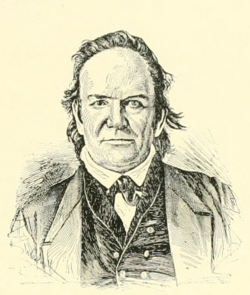 From Souvenir of the Sherburne Centennial Celebration (1893) | ||||||||||||||||||||||||||||
| Member of the New York Senate | ||||||||||||||||||||||||||||
| In office November 7, 1820 – January 1, 1826 | ||||||||||||||||||||||||||||
| ||||||||||||||||||||||||||||
| Member of the New York State Assembly from the Chenango County district | ||||||||||||||||||||||||||||
| In office | ||||||||||||||||||||||||||||
| ||||||||||||||||||||||||||||
| Personal details | ||||||||||||||||||||||||||||
| Born | (1782-10-09)October 9, 1782 | |||||||||||||||||||||||||||
| Died | March 1, 1857(1857-03-01) (aged 74) Brooklyn, New York, U.S. | |||||||||||||||||||||||||||
| Resting place | Green-Wood Cemetery, Brooklyn | |||||||||||||||||||||||||||
| Party | Democratic-Republican | |||||||||||||||||||||||||||
| Spouse | Elizabeth Warner Lynde (died 1871) | |||||||||||||||||||||||||||
| Children |
| |||||||||||||||||||||||||||
| Relatives | Charles W. Lynde (brother) | |||||||||||||||||||||||||||
| Profession | Lawyer | |||||||||||||||||||||||||||
Tilly Lynde (October 9, 1782 – March 1, 1857) was an American merchant, judge, and politician in the U.S. state of New York. He was a member of the New York State Senate (1820–1826) and the State Assembly (1818, 1826, & 1828).
His brother, Charles W. Lynde, also served several years in the New York Legislature. Two of Tilly Lynde's sons, Charles and Watts, died in the 1841 Erie steamship disaster. His eldest surviving son, William Pitt Lynde, became a prominent lawyer and politician in Milwaukee, Wisconsin, served three terms in the U.S. House of Representatives, and served as mayor of Milwaukee; William Lynde's descendants were also some of the most important businessmen and philanthropists in Milwaukee history.
Biography
Tilly Lynde was born in Brookfield, Massachusetts, in October 1782. He moved to Sherburne, New York, in 1802, working as a clerk for the merchant Garret Y. Lansing.1 By December 1804, Lynde had earned enough to start his own general store. By all reports, he was extremely successful in business and within a decade was a prominent and well-known member of the community.12
He was elected associate judge in 1816 and retired from his merchandise business. The following year, he was elected to the New York State Assembly as one of three representatives of Chenango County. He was defeated running for re-election in 1818, but was subsequently elected to the New York State Senate in 1820. He served in the 44th and 45th legislatures, the last sessions before the adoption of the 1822 New York Constitution. Under the new system, he was elected to a three year term in the New York Senate in 1822, representing the 6th State Senate district. He was then elected to two more terms in the Assembly, serving in the 1826 and 1828 sessions. He ran for United States House of Representatives in 1832, but was defeated.1
He moved to Cortland, New York, in 1832, and later in life moved to Brooklyn, New York, where he lived with his youngest son. He died in Brooklyn on March 1, 1857.3
Personal life and family
Tilly Lynde was one of at least four children of John Lynde and his wife Sarah (née Warner). Tilly's younger brother, Charles W. Lynde, also served in the New York State Senate.
Tilly Lynde married Eliza Warner, a school teacher from Sunderland, Massachusetts, on September 10, 1812.1 They had four sons. Two of their sons, Charles and Watts, died along with 250 other passengers in the fire aboard the steamboat Erie, en route to Chicago in 1841.
Their eldest surviving son, William Pitt Lynde, moved to Milwaukee, Wisconsin Territory, where he became attorney general of the territory, then United States attorney. After Wisconsin achieved statehood, William Pitt Lynde was elected to three terms in the United States House of Representatives, and was elected mayor of Milwaukee in 1860.12 His grandsons Lynde Bradley and Harry Lynde Bradley became two of the most important businessmen in Milwaukee history, founding the Allen-Bradley Company and the Bradley Foundation. Lynde's descendants are still influential in Wisconsin business, philanthropy, and politics.
Electoral history
New York Assembly (1817, 1818)
| Party | Candidate | Votes | % | ±% | |
|---|---|---|---|---|---|
| General Election, April 1817 (vote for three) | |||||
| Democratic-Republican | Perez Randall | 1,145 | 34.27% | ||
| Democratic-Republican | Tilly Lynde | 1,144 | 34.24% | ||
| Federalist | Simon G. Throop | 1,052 | 31.49% | ||
| Total votes | 3,341 | 100.0% | |||
| Party | Candidate | Votes | % | ±% | |
|---|---|---|---|---|---|
| General Election, April 1818 (vote for three) | |||||
| Federalist | Ebenezer Wakley | 1,402 | 34.27% | ||
| Federalist | Thomas Humphrey | 1,376 | 34.24% | ||
| Federalist | Obadiah German | 1,265 | 31.49% | ||
| Democratic-Republican | Tilly Lynde (incumbent) | 978 | 34.24% | ||
| Democratic-Republican | Jarvis K. Pike | 872 | 34.27% | ||
| Democratic-Republican | Charles Medbury | 688 | 31.49% | ||
| Total votes | 6,581 | 100.0% | +96.98% | ||
| Federalist gain from Democratic-Republican | |||||
New York Senate (1820, 1822)
| Party | Candidate | Votes | % | ±% | |
|---|---|---|---|---|---|
| General Election, April 1820 (vote for three) | |||||
| Democratic-Republican | William C. Bouck | 11,809 | 17.27% | ||
| Democratic-Republican | John I. Miller | 11,807 | 17.27% | ||
| Democratic-Republican | Tilly Lynde | 11,802 | 17.26% | ||
| Federalist | Joseph D. Monell | 11,031 | 16.14% | ||
| Federalist | Ebenezer Wakeley | 10,952 | 16.02% | ||
| Federalist | Jedediah Miller | 10,955 | 16.02% | ||
| Scattering | 10 | 0.01% | |||
| Total votes | 68,366 | 100.0% | |||
| Party | Candidate | Votes | % | ±% | |
|---|---|---|---|---|---|
| General Election, September 1822 (vote for four) | |||||
| Democratic-Republican | Tilly Lynde | 12,472 | 25.37% | ||
| Democratic-Republican | Isaac Ogden | 12,300 | 25.02% | ||
| Democratic-Republican | Farrand Stranahan | 12,067 | 24.55% | ||
| Democratic-Republican | Samuel G. Hathaway | 11,943 | 24.30% | ||
| Samuel G. Huntington | 300 | 0.61% | |||
| Scattering | 72 | 0.15% | |||
| Total votes | 68,366 | 100.0% | |||
| Democratic-Republican win (new seat) | |||||
References
References
- "Family Sketches". Souvenir of the Sherburne Centennial Celebration. Marcius D. Raymond. 1893. pp. 91–92. Retrieved August 13, 2022.
- Conard, Howard L. (1895). History of Milwaukee from its first settlement to the year 1895. Vol. 1. American Biographical Publishing Co. pp. 411–414. Retrieved August 13, 2022.
- "Died". Brooklyn Eagle. March 2, 1857. p. 2. Retrieved August 13, 2022 – via Newspapers.com.
- "New York 1817 Assembly, Chenango County". A New Nation Votes, American Election Returns 1787–1825. Retrieved August 13, 2022.
- "New York 1818 Assembly, Chenango County". A New Nation Votes, American Election Returns 1787–1825. Retrieved August 13, 2022.
- "New York 1820 State Senate, Middle District". A New Nation Votes, American Election Returns 1787–1825. Retrieved August 13, 2022.
- "New York 1822 State Senate, District 6". A New Nation Votes, American Election Returns 1787–1825. Retrieved August 13, 2022.