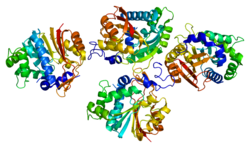
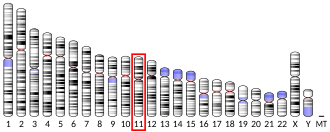
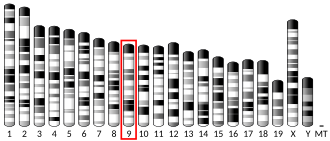
Nicotinamide N-methyltransferase (NNMT) is an enzyme that in humans is encoded by the NNMT gene.5 NNMT catalyzes the methylation of nicotinamide and similar compounds using the methyl donor S-adenosyl methionine (SAM-e) to produce S-adenosyl-L-homocysteine (SAH) and 1-methylnicotinamide.6
Function
Methylation of nicotinamide by NNMT and SAM-e is the major pathway for degradation of nicotinamide leading to excretion in the urine.6
Clinical significance
NNMT is highly expressed in the human liver.67 N-methylation is one method by which drug and other xenobiotic compounds are metabolized by the liver.6 NNMT expression in adipose tissue is associated with obesity and insulin resistance.68 Contrary to the negative effects of increased NNMT in adipose tissue, increased NNMT in liver is associated with a better metabolic profile, namely reduced serum triglycerides and free fatty acids.8 In adipose tissue, NNMT can lead to methylation depletion, whereas because of the many methylation enzymes in the liver NNMT has a negligible effect on liver methylation.6 But in the liver, the 1-methylnicotinamide produced by NNMT degradation of nicotinamide increases sirtuin 1 (SIRT1) by inhibiting degradation of that protein.8 Overexpression of SIRT1 in mice has been shown to reduce insulin and fasting glucose, as well as increased metabolism and physical function.9
Abundant availability of nicotinamide leads to depletion of both nicotinamide adenine dinucleotide (NAD+) and SAM-e, resulting in liver steatosis and fibrosis, causing the progression from non-alcoholic fatty liver disease (NAFLD) to non-alcoholic steatohepatitis (NASH).10
Human embryonic stem cells expression of NNMT is believed to help maintain the cells in a naive state.6
NNMT expression is significantly upregulated in many cancers, including pancreatic cancer where levels of NNMT enzyme correlate with increased risk of death.11 The cause of these correlations has not been established, but may be related to the fact that NNMT enzyme is an inhibitor of DNA repair.11 NNMT and 1-methylnicotinamide inhibit autophagy in breast cancer, protecting breast cancer cells against oxidative stress.12 NNMT has been suggested to be a biomarker of cancer.11
References
References
- GRCh38: Ensembl release 89: ENSG00000166741 – Ensembl, May 2017
- GRCm38: Ensembl release 89: ENSMUSG00000032271 – Ensembl, May 2017
- "Human PubMed Reference:". National Center for Biotechnology Information, U.S. National Library of Medicine.
- "Mouse PubMed Reference:". National Center for Biotechnology Information, U.S. National Library of Medicine.
- Aksoy S, Brandriff BF, Ward A, Little PF, Weinshilboum RM (Mar 1996). "Human nicotinamide N-methyltransferase gene: molecular cloning, structural characterization and chromosomal localization". Genomics. 29 (3): 555–61. doi:10.1006/geno.1995.9966. PMID 8575745.
- Pissios P (2017). "Nicotinamide N-Methyltransferase: More Than a Vitamin B3 Clearance Enzym". Trends in Endocrinology and Metabolism. 28 (5): 340–353. doi:10.1016/j.tem.2017.02.004. PMC 5446048. PMID 28291578.
- Hwang ES, Song SB (2017). "Nicotinamide is an inhibitor of SIRT1 in vitro, but can be a stimulator in cells". Cellular and Molecular Life Sciences. 74 (18): 3347–3362. doi:10.1007/s00018-017-2527-8. PMC 11107671. PMID 28417163. S2CID 25896400.
- Guarino M, Dufour J (2019). "Nicotinamide and NAFLD: Is There Nothing New Under the Sun?". Metabolites. 9 (9): 180. doi:10.3390/metabo9090180. PMC 6780119. PMID 31510030.
- Bordone L, Cohen D, Robinson A, Motta MC, Guarente L (2007). "SIRT1 transgenic mice show phenotypes resembling calorie restriction". Aging Cell. 6 (6): 759–767. doi:10.1111/j.1474-9726.2007.00335.x. PMID 17877786. S2CID 16071943.
- Komatsu M, Kanda T, Wakino S, Itoh H (2018). "NNMT activation can contribute to the development of fatty liver disease by modulating the NAD + metabolism". Scientific Reports. 8 (1): 8637. Bibcode:2018NatSR...8.8637K. doi:10.1038/s41598-018-26882-8. PMC 5988709. PMID 29872122.
- Lu XM, Long H (2018). "Nicotinamide N-methyltransferase as a Potential Marker for Cancer". Neoplasma. 65 (5): 656–663. doi:10.4149/neo_2018_171024N680. PMID 29940773.
- Yu H, Zhou X, Wang Y, Zhang J (2018). "Nicotinamide N-methyltransferase inhibits autophagy induced by oxidative stress through suppressing the AMPK pathway in breast cancer cells". Cancer Cell International. 20: 191. doi:10.1186/s12935-020-01279-8. PMC 7247246. PMID 32489327.
Further reading
Further reading
- Williams AC, Cartwright LS, Ramsden DB (2005). "Parkinson's disease: the first common neurological disease due to auto-intoxication?". QJM: Monthly Journal of the Association of Physicians. 98 (3): 215–26. doi:10.1093/qjmed/hci027. PMID 15728403.
- Sano A, Endo N, Takitani S (1992). "Fluorometric assay of rat tissue N-methyltransferases with nicotinamide and four isomeric methylnicotinamides". Chem. Pharm. Bull. 40 (1): 153–6. doi:10.1248/cpb.40.153. PMID 1533573.
- Aksoy S, Szumlanski CL, Weinshilboum RM (1994). "Human liver nicotinamide N-methyltransferase. cDNA cloning, expression, and biochemical characterization". J. Biol. Chem. 269 (20): 14835–40. doi:10.1016/S0021-9258(17)36700-5. PMID 8182091.
- Scheller T, Orgacka H, Szumlanski CL, Weinshilboum RM (1996). "Mouse liver nicotinamide N-methyltransferase pharmacogenetics: biochemical properties and variation in activity among inbred strains". Pharmacogenetics. 6 (1): 43–53. doi:10.1097/00008571-199602000-00003. PMID 8845860.
- Smith ML, Burnett D, Bennett P, et al. (1998). "A direct correlation between nicotinamide N-methyltransferase activity and protein levels in human liver cytosol". Biochim. Biophys. Acta. 1442 (2–3): 238–44. doi:10.1016/s0167-4781(98)00177-8. PMID 9804963.
- Yan L, Otterness DM, Weinshilboum RM (1999). "Human nicotinamide N-methyltransferase pharmacogenetics: gene sequence analysis and promoter characterization". Pharmacogenetics. 9 (3): 307–16. doi:10.1097/00008571-199906000-00005. PMID 10471062.
- Hubbard MJ, McHugh NJ (2001). "Human ERp29: isolation, primary structural characterisation and two-dimensional gel mapping". Electrophoresis. 21 (17): 3785–96. doi:10.1002/1522-2683(200011)21:17<3785::AID-ELPS3785>3.0.CO;2-2. PMID 11271497. S2CID 42538820.
- Parsons RB, Smith ML, Williams AC, et al. (2002). "Expression of nicotinamide N-methyltransferase (E.C. 2.1.1.1) in the Parkinsonian brain". J. Neuropathol. Exp. Neurol. 61 (2): 111–24. doi:10.1093/jnen/61.2.111. PMID 11853016.
- Kassem HSh, Sangar V, Cowan R, et al. (2002). "A potential role of heat shock proteins and nicotinamide N-methyl transferase in predicting response to radiation in bladder cancer". Int. J. Cancer. 101 (5): 454–60. doi:10.1002/ijc.10631. PMID 12216074. S2CID 41683922.
- Strausberg RL, Feingold EA, Grouse LH, et al. (2003). "Generation and initial analysis of more than 15,000 full-length human and mouse cDNA sequences". Proc. Natl. Acad. Sci. U.S.A. 99 (26): 16899–903. Bibcode:2002PNAS...9916899M. doi:10.1073/pnas.242603899. PMC 139241. PMID 12477932.
- Xu J, Capezzone M, Xu X, Hershman JM (2005). "Activation of nicotinamide N-methyltransferase gene promoter by hepatocyte nuclear factor-1beta in human papillary thyroid cancer cells". Mol. Endocrinol. 19 (2): 527–39. doi:10.1210/me.2004-0215. PMID 15486044. S2CID 10288804.
- Gerhard DS, Wagner L, Feingold EA, et al. (2004). "The Status, Quality, and Expansion of the NIH Full-Length cDNA Project: The Mammalian Gene Collection (MGC)". Genome Res. 14 (10B): 2121–7. doi:10.1101/gr.2596504. PMC 528928. PMID 15489334.
- Souto JC, Blanco-Vaca F, Soria JM, et al. (2005). "A Genomewide Exploration Suggests a New Candidate Gene at Chromosome 11q23 as the Major Determinant of Plasma Homocysteine Levels: Results from the GAIT Project". Am. J. Hum. Genet. 76 (6): 925–33. doi:10.1086/430409. PMC 1196452. PMID 15849667.
- Roessler M, Rollinger W, Palme S, et al. (2005). "Identification of nicotinamide N-methyltransferase as a novel serum tumor marker for colorectal cancer". Clin. Cancer Res. 11 (18): 6550–7. doi:10.1158/1078-0432.CCR-05-0983. PMID 16166432.
- Xu J, Hershman JM (2006). "Histone deacetylase inhibitor depsipeptide represses nicotinamide N-methyltransferase and hepatocyte nuclear factor-1beta gene expression in human papillary thyroid cancer cells". Thyroid. 16 (2): 151–60. doi:10.1089/thy.2006.16.151. PMID 16676400.