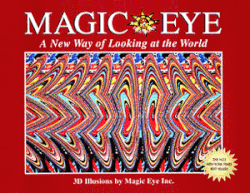
Magic Eye is a series of books that feature autostereograms, a series of two-dimensional (2D) images that can create the optical illusion of a three-dimensional (3D) scene.
After creating its first images in 1991, creator Tom Baccei worked with Tenyo, a Japanese company that sells magic supplies. Tenyo published its first book in late 1991 titled Miru Miru Mega Yokunaru Magic Eye ("Your Eyesight Gets Better & Better in a Very Short Rate of Time: Magic Eye"), sending sales representatives out to street corners to demonstrate how to see the hidden image. Within a few weeks the first Japanese book became a best seller, as did the second, rushed out shortly after.12
The first North American Magic Eye book was published in 1993, under the title Magic Eye: A New Way of Looking at the World.3
Magic Eye stereograms have been used by orthoptists and vision therapists in the treatment of some binocular vision and accommodative disorders.4
References
References
- Grossman, John (1994-10-01). "In the Eye of the Beholder, Marketing Methods Article". Inc. Retrieved 2010-10-22.
- Intro to Magic Eye II
- "About Magic eye". Magic Eye. Archived from the original on 2010-12-14. Retrieved 2010-10-22.
- "Magic Eye stereograms, vision therapy, visual training, eye exercises, eye training, Anaglyphs, stereo photography". Vision3d.com. Rachel Cooper. Retrieved 2010-05-18.
External links
External links
- Official website
- US Patent 5,371,627; Random dot stereogram and method for making the same