| Bothrops itapetiningae | |
|---|---|

| |
Scientific classification 
| |
| Kingdom: | Animalia |
| Phylum: | Chordata |
| Class: | Reptilia |
| Order: | Squamata |
| Suborder: | Serpentes |
| Family: | Viperidae |
| Genus: | Bothrops |
| Species: | B. itapetiningae
|
| Binomial name | |
| Bothrops itapetiningae (Boulenger, 1907)
| |

| |
| Synonyms | |
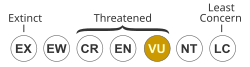
Bothrops itapetiningae, or the São Paulo lancehead, is a species of venomous snake in the family Viperidae.3 It is endemic to the Cerrado region, savannas of central Brazil.12 It eats small mammals, lizards, amphibians, birds and centipedes.1
Distribution
It is found in the Brazilian states of Goiás, Minas Gerais, Mato Grosso and São Paulo.12 The type locality is Itapetininga, a municipality in the State of São Paulo.24
References
References
- Silveira, A.L., Sawaya, R.J. & Nogueira, C. de C. (2021). "Bothrops itapetiningae". IUCN Red List of Threatened Species. 2021: e.T178266A96475928.
{{cite journal}}: CS1 maint: multiple names: authors list (link) - Bothrops itapetiningae at the Reptarium.cz Reptile Database. Accessed 23 April 2016.
- McDiarmid RW, Campbell JA, Touré T. 1999. Snake Species of the World: A Taxonomic and Geographic Reference, Volume 1. Herpetologists' League. 511 pp. ISBN 1-893777-00-6 (series). ISBN 1-893777-01-4 (volume).
- Boulenger. 1907. p. 338.
Further reading
Further reading
- Boulenger GA. 1907. Description of a new Pit-Viper from Brazil. Annals and Magazine of Natural History. Seventh Series. 20: 338. ("Lachesis itapetiningæ" )